

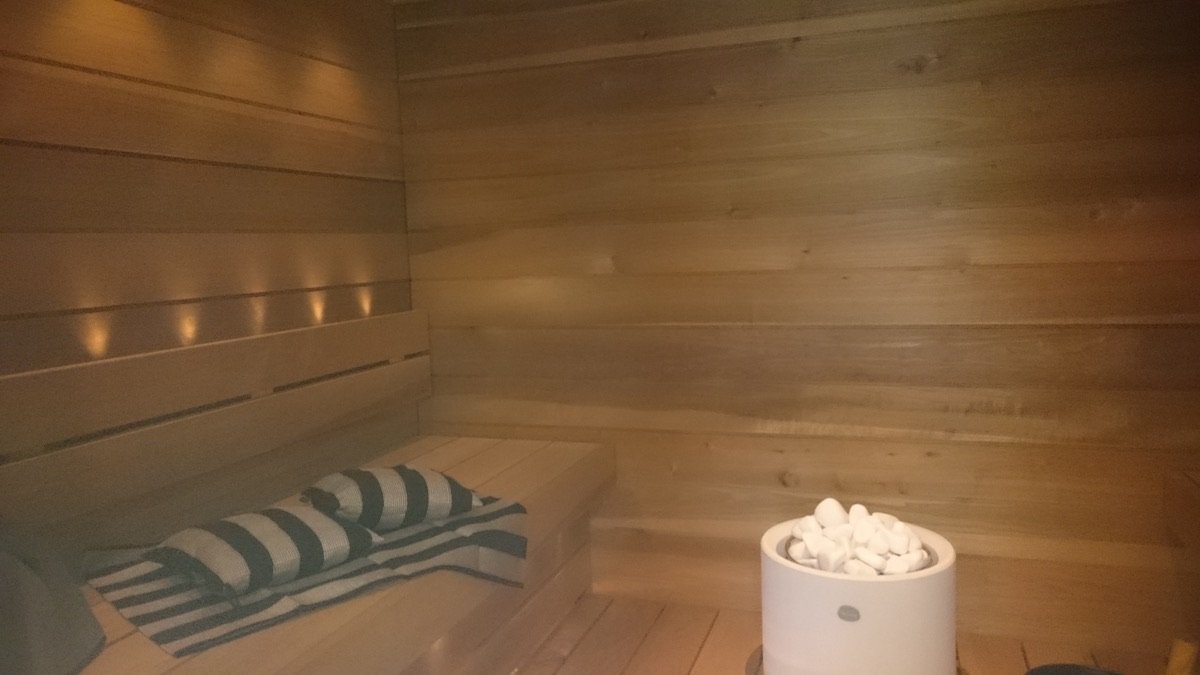
Sitting in a sauna after a workout is safe for most healthy adults if you keep it short, drink water and skip alcohol, but most of its famous benefits are less proven than they sound. The strongest data come from a long-running Finnish study in which men who used a sauna 4 to 7 times a week had fewer fatal heart events than men who went once a week. That study shows a link, not cause and effect. The few randomized trials are small. In one, adding 15 minutes of sauna after exercise lowered systolic blood pressure by 8 mmHg more than exercise alone over 8 weeks. Evidence for muscle recovery is thin and mixed.
This guide explains what the research does and doesn't show, how hot and how long to go, how to time it after hard training, and who should check with a doctor first.
Sauna after a workout: the short answer
- Likely fine for: healthy adults who feel well after training, cool down first, drink water and keep sessions to the 5 to 20 minutes used in most research.
- Possible benefits: a further drop in blood pressure and a small extra fitness gain when added to regular exercise, better endurance in trained runners, and less soreness after some workouts. Each rests on one or a few small trials.
- Not shown: that sauna itself makes you live longer, that it burns meaningful fat, or that it speeds recovery after every kind of workout.
- Ask a doctor first if: you are pregnant or trying to conceive, have a heart condition, low blood pressure or fainting spells, or take blood pressure, heart or certain psychiatric medicines.
What the Finnish sauna studies found
Most headlines about sauna and long life trace back to the Kuopio Ischemic Heart Disease Risk Factor Study (KIHD), which follows people in Eastern Finland, where traditional sauna use is part of everyday life.
In the best-known analysis, published in JAMA Internal Medicine in 2015, researchers followed 2,315 men aged 42 to 60 for a median of 20.7 years. After adjusting for heart disease risk factors, men who used a sauna 4 to 7 times a week had a 63% lower risk of sudden cardiac death than men who went once a week (hazard ratio 0.37). Similar patterns appeared for fatal coronary heart disease, fatal cardiovascular disease and death from any cause. Sessions lasting more than 19 minutes were also linked to lower risk of sudden cardiac death than sessions under 11 minutes (Laukkanen and colleagues, 2015).
Later analyses from the same cohort reported similar links with other outcomes:
| Outcome | Who was followed | Follow-up (median) | 4–7 sessions a week vs 1 a week |
|---|---|---|---|
| Sudden cardiac death | 2,315 men aged 42–60 | 20.7 years | Hazard ratio 0.37 (95% CI 0.18–0.75) |
| New high blood pressure | 1,621 men aged 42–60 without high blood pressure | 24.7 years | Hazard ratio 0.54 (0.32–0.91); 0.53 (0.28–0.98) after more adjustments |
| Stroke | 1,628 men and women aged 53–74 without prior stroke | 14.9 years | Hazard ratio 0.39 (0.18–0.84); 0.38 (0.18–0.81) after adjusting for physical activity and socioeconomic status |
Sources: Laukkanen 2015, Zaccardi 2017, Kunutsor 2018. A hazard ratio below 1 means lower risk in the frequent-sauna group.
What these studies do not show
- They can't prove that sauna causes the benefit. Sauna habits were reported once, at the start. People who can use a sauna most days may differ in health, income, work or social life in ways that statistical adjustment can't fully remove. The authors themselves wrote that further studies are needed to establish a mechanism.
- The mortality data are from men only, in one region of Finland, using traditional Finnish saunas. The stroke analysis included women, but the results may not carry over to other groups or to infrared cabins.
- The top group was small. Only 201 of the 2,315 men reported 4 to 7 sessions a week.
- They say nothing specific about using a sauna after a workout. Participants reported how often they used a sauna, not when.
A 2018 systematic review of regular dry sauna use found 40 clinical studies with 3,855 participants, but only 13 were randomized controlled trials and most had fewer than 40 people. The authors concluded that sauna "has potential health benefits" but that better data are needed, including on side effects (Hussain and Cohen, 2018).
What the trials show about sauna after exercise
Only a handful of controlled studies have tested a sauna session placed right after exercise. Here is what they found, and how far each result goes.
Blood pressure and fitness
The most relevant trial randomized 47 inactive adults (average age 49, mostly women) who had at least one heart disease risk factor. For 8 weeks, one group exercised three times a week, a second did the same exercise followed by 15 minutes in a sauna, and a third group carried on as usual. The sauna started at 65°C (149°F) and rose by 5°C every two weeks.
Compared with exercise alone, exercise plus sauna lowered systolic blood pressure by a further 8.0 mmHg (95% CI 1.4 to 14.6), improved cardiorespiratory fitness by an extra 2.7 mL/kg/min and lowered total cholesterol more. Exercise alone did not lower blood pressure compared with the control group (Lee and colleagues, 2022).
That's encouraging, but it's one small trial with wide confidence intervals and no sauna-only group, which the authors list as a limitation. A follow-up analysis from the same research group found that adding sauna gave no extra benefit to heart rate variability over exercise alone (Lee and colleagues, 2025).
A single sauna session also lowers blood pressure for a short time. In 102 adults with at least one heart disease risk factor, 30 minutes at 73°C (163°F) cut average systolic pressure from 137 to 130 mmHg, and it stayed lower 30 minutes later. Heart rate rose from 65 to 81 beats a minute (Lee and colleagues, 2018). That was a non-randomized study, and a temporary drop is not the same as treating high blood pressure. If you're working on your blood pressure, regular exercise and your doctor's plan come first. Our guide to wall sits and isometric exercise for blood pressure covers one of the better-studied exercise options.
Endurance and plasma volume
In a crossover study from New Zealand, six competitive male distance runners sat in a humid sauna at about 90°C (194°F) for around 31 minutes straight after training, about 13 times over 3 weeks. Compared with 3 weeks of normal training, time to exhaustion in a treadmill run rose 32%, which the authors estimated equals roughly a 1.9% improvement in an endurance time trial. Plasma volume rose 7.1%, and the performance change tracked closely with the rise in blood volume (Scoon and colleagues, 2007).
With only six trained men, this is a promising signal, not a rule for everyone. Those sessions were also long and hot, well beyond what a beginner should start with.
Muscle recovery and soreness
The recovery evidence is mixed and comes from small groups of young, active men using infrared saunas:
- In 10 physically active men, 30 minutes in a far-infrared sauna at 35–50°C (95–122°F) made no difference to recovery after a strength-training session. After a maximal endurance session, jump height 30 minutes later was slightly higher than after sitting without a sauna (Mero and colleagues, 2015).
- In 16 male basketball players, 20 minutes in an infrared sauna at about 43°C (109°F) after heavy strength and jump training reduced the drop in jump performance the next morning, and players reported less soreness and felt better recovered. Overnight heart rate and heart rate variability were no different (Ahokas and colleagues, 2023).
So a warm session may make you feel less sore, but it is not a proven recovery tool. Sleep, food and sensible training loads matter more. See our guides on training when you're sore and what to eat after a workout.
Does a sauna burn fat or "detox" you?
The weight you lose in a sauna is mostly sweat. In a study of 60 volunteers who sat in a Finnish sauna at 80–90°C (176–194°F) for up to 20 minutes, the average sweat loss was 457 grams, about 1 pound (Sohar and colleagues, 1976). That water comes back as soon as you drink, and you need to drink to stay safe. None of the trials above measured fat loss as a main result. In the 8-week trial, fat mass improved with exercise, and adding sauna was not reported to add any fat-loss benefit.
How to use a sauna safely after a workout
No official US guideline sets sauna temperatures or times. The points below come from the conditions used in research and the risks that studies and reviews describe.
- Cool down first. Walk or stretch for a few minutes so your heart rate settles before you add heat. Don't go in if you feel dizzy, sick or unusually exhausted after training.
- Drink water before and after. You can lose about a pound of sweat in a 20-minute session on top of what you lost training. Signs you're behind include thirst, headache, and dark or scant urine. Our guide on how much water you need each day explains how to judge it.
- Start short. Research sessions in traditional saunas usually lasted 5 to 20 minutes, sometimes repeated one to three times with breaks (Kukkonen-Harjula and Kauppinen, 2006). The 8-week trial used 15 minutes. If you're new, 5 to 10 minutes on a lower bench is a sensible start; build up only if you feel well.
- Know the temperature. Traditional saunas in studies ran at about 65–90°C (149–194°F). Infrared cabins in studies ran much cooler, about 35–50°C (95–122°F).
- Skip alcohol entirely. A review in the American Journal of Medicine warns that drinking during sauna use raises the risk of low blood pressure, heart rhythm problems and sudden death (Hannuksela and Ellahham, 2001). In a Finnish review of deaths in saunas from 1990 to 2002, half of the people who died had been drinking (Kenttämies and Karkola, 2008).
- Get up slowly. Heat widens blood vessels and lowers blood pressure, and exercise does the same for a while afterward. Sit for a moment before standing, and leave at the first sign of lightheadedness. In the 1976 study, 3 of 60 volunteers fainted.
- Don't go alone if you can avoid it, and never with someone who has been drinking.
- Leave right away if you feel unwell. Headache, nausea, dizziness, weakness and heavy sweating are signs of heat exhaustion. Confusion, slurred speech or fainting can mean heat stroke, which is an emergency: call 911 (CDC/NIOSH).
How soon after a hard workout?
The trials put people in the sauna straight after exercise, but they used healthy volunteers, supervised sessions and controlled conditions. Real life is less tidy. After a very long or hot session, such as a long run in summer, a race or a hard interval workout, you may already be dehydrated and overheated. In that case, rehydrate, cool down, eat something and give yourself time to feel normal before adding more heat, or skip the sauna that day.

Who should avoid the sauna or ask a doctor first?
Sauna is well tolerated by most healthy adults, but heat puts real demands on the heart and circulation. In the 1976 study, average heart rate reached 143 beats a minute after 20 minutes and core (rectal) temperature rose to about 38.6°C (101.5°F) (Sohar and colleagues, 1976). Check with a doctor before using a sauna, especially after exercise, if any of these apply.
Heart conditions
A review in the American Journal of Medicine lists unstable angina, a recent heart attack and severe aortic stenosis as reasons not to use a sauna. People with stable heart disease often tolerate it, but that is a decision for your cardiologist, not a general rule (Hannuksela and Ellahham, 2001). The same applies if you have heart failure, an arrhythmia or chest pain with exertion.
Low blood pressure or fainting
Both sauna and exercise lower blood pressure for a while. If you already run low, get dizzy when you stand up or have fainted before, the combination can tip you over.
Medicines that affect heat tolerance
A review of sauna research noted that blood pressure medicines can make people prone to a drop in blood pressure on standing after a sauna (Kukkonen-Harjula and Kauppinen, 2006). The CDC's heat guidance for clinicians lists many common drugs that affect fluid balance, sweating or blood pressure in the heat, including:
- diuretics ("water pills"), beta blockers, calcium channel blockers, ACE inhibitors and ARBs, and nitrates
- lithium, antipsychotics, some antidepressants (SSRIs, SNRIs and tricyclics) and topiramate
- antihistamines with anticholinergic effects, such as diphenhydramine
- stimulants such as amphetamine and methylphenidate
Don't stop or change a medicine on your own. Ask your doctor or pharmacist whether sauna is OK for you (CDC).
Pregnancy
The American College of Obstetricians and Gynecologists advises avoiding becoming overheated during pregnancy, "especially in the first trimester" (ACOG). In a US study of 23,491 pregnant women, heat exposure from hot tubs, saunas or fever in early pregnancy was linked to a higher risk of neural tube defects. Hot tubs showed the strongest link (Milunsky and colleagues, 1992). Older Finnish reviews found no harm in healthy pregnancies among women used to saunas, but the safest course is to talk to your obstetrician before using one, and especially if you are trying to conceive or are in the first trimester.
Other groups
- Anyone who is ill, has a fever or has been drinking.
- Men trying to conceive: the 2018 review found one small study (10 men) in which regular sauna use temporarily disrupted sperm production, which recovered after stopping (Hussain and Cohen, 2018).
Infrared vs traditional sauna
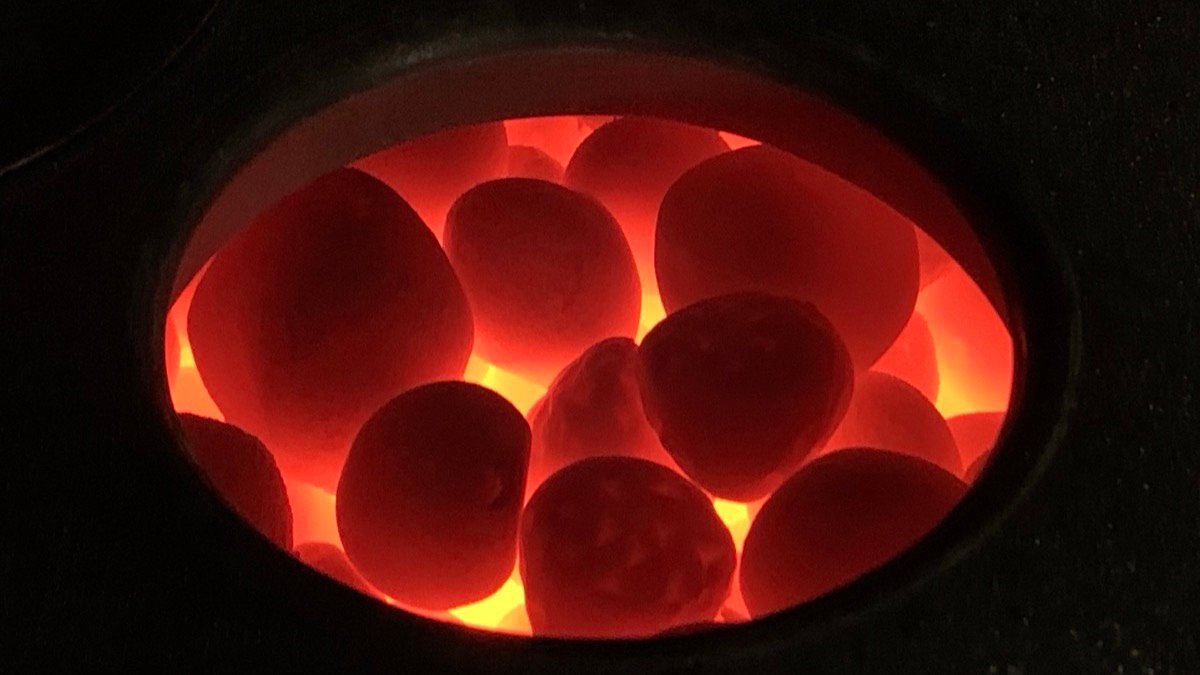
A traditional sauna heats the air, usually with a stove and rocks. An infrared sauna uses heating panels that warm your body more directly, so the air stays cooler.
| Traditional (Finnish) sauna | Infrared sauna | |
|---|---|---|
| Air temperature in studies | About 65–90°C (149–194°F) | About 35–50°C (95–122°F) |
| Long-term health data | Finnish KIHD cohort (observational); small trials on blood pressure and endurance | Small, short-term recovery studies only |
| Feels like | Very hot air; humidity rises when water is thrown on the rocks | Milder air; many people find it easier to stay in |
Sources: Lee 2022, Scoon 2007, Mero 2015, Ahokas 2023.
The key point is that the long-term heart and mortality findings come from traditional Finnish saunas. Don't assume an infrared cabin delivers the same results. Infrared is gentler, which may suit beginners, but it still raises heart rate and still calls for water and caution.
Frequently asked questions
How long should I stay in a sauna after a workout?
The post-exercise studies used 15 to about 30 minutes, but those were supervised volunteers. If you're new, start with 5 to 10 minutes and build up toward 15 to 20 minutes over several sessions if you feel well. Leave at once if you feel dizzy or sick.
Is it better to use a sauna before or after a workout?
The studies in this article on blood pressure, endurance and recovery tested sauna after exercise, not before, so after is the better-supported choice. Whichever you choose, drink water and keep the session short.
Can I use a sauna every day?
In the Finnish cohort, healthy men who used a sauna 4 to 7 times a week had the lowest risk of heart-related death, but that doesn't prove daily use caused it. For healthy adults, frequent short sessions appear well tolerated. If you have a health condition, ask your doctor.
Does a sauna help muscle recovery?
Possibly a little, especially for how sore you feel. One small infrared study found less soreness and better next-day jump performance; another found no recovery benefit after strength training. Sleep, protein and sensible training loads matter more.
Is it safe to use a sauna after drinking alcohol?
No. Alcohol raises the risk of fainting, heart rhythm problems and sudden death in the sauna, and half of the sauna deaths in a Finnish review involved alcohol.
This article is general information, not medical advice. It isn't a substitute for advice from a doctor or other qualified health professional, especially if you have a heart condition, take regular medication or are pregnant.
Sources
- Laukkanen T, Khan H, Zaccardi F, Laukkanen JA. Association between sauna bathing and fatal cardiovascular and all-cause mortality events, JAMA Internal Medicine 2015;175(4):542–548.
- Zaccardi F, Laukkanen T, Willeit P, et al. Sauna Bathing and Incident Hypertension: A Prospective Cohort Study, American Journal of Hypertension 2017;30(11):1120–1125.
- Kunutsor SK, Khan H, Zaccardi F, et al. Sauna bathing reduces the risk of stroke in Finnish men and women: A prospective cohort study, Neurology 2018;90(22):e1937–e1944.
- Hussain J, Cohen M. Clinical Effects of Regular Dry Sauna Bathing: A Systematic Review, Evidence-Based Complementary and Alternative Medicine 2018.
- Lee E, Kolunsarka I, Kostensalo J, et al. Effects of regular sauna bathing in conjunction with exercise on cardiovascular function: a multi-arm, randomized controlled trial, American Journal of Physiology – Regulatory, Integrative and Comparative Physiology 2022;323(3):R289–R299 (full text).
- Lee E, Ketelhut S, Wiklund P, et al. Regular postexercise sauna bathing does not improve heart rate variability: A multi-arm randomized controlled trial, Physiological Reports 2025.
- Lee E, Laukkanen T, Kunutsor SK, et al. Sauna exposure leads to improved arterial compliance: Findings from a non-randomised experimental study, European Journal of Preventive Cardiology 2018;25(2):130–138.
- Scoon GS, Hopkins WG, Mayhew S, Cotter JD. Effect of post-exercise sauna bathing on the endurance performance of competitive male runners, Journal of Science and Medicine in Sport 2007;10(4):259–262.
- Mero A, Tornberg J, Mäntykoski M, Puurtinen R. Effects of far-infrared sauna bathing on recovery from strength and endurance training sessions in men, SpringerPlus 2015;4:321.
- Ahokas EK, Ihalainen JK, Hanstock HG, et al. A post-exercise infrared sauna session improves recovery of neuromuscular performance and muscle soreness after resistance exercise training, Biology of Sport 2023;40(3):681–689.
- Sohar E, Shoenfeld Y, Shapiro Y, et al. Effects of exposure to Finnish sauna, Israel Journal of Medical Sciences 1976;12(11):1275–1282.
- Kukkonen-Harjula K, Kauppinen K. Health effects and risks of sauna bathing, International Journal of Circumpolar Health 2006;65(3):195–205.
- Hannuksela ML, Ellahham S. Benefits and risks of sauna bathing, American Journal of Medicine 2001;110(2):118–126.
- Kenttämies A, Karkola K. Death in sauna, Journal of Forensic Sciences 2008;53(3):724–729.
- Milunsky A, Ulcickas M, Rothman KJ, et al. Maternal heat exposure and neural tube defects, JAMA 1992;268(7):882–885.
- American College of Obstetricians and Gynecologists: Exercise During Pregnancy (FAQ).
- CDC: Heat and Medications – Guidance for Clinicians (updated September 18, 2025).
- CDC/NIOSH: Heat-related Illnesses (updated March 3, 2026).
- Banner photo: Modern sauna.jpg by Nikowsk, CC BY-SA 4.0, via Wikimedia Commons (cropped).
- Photo: Heat Storage Sauna Stove.jpg by Omegaosiris, CC0, via Wikimedia Commons (cropped).
- Photo: Bouldering Project (old University National Bank) 35 - sauna (vault) area.jpg by Joe Mabel, CC BY-SA 4.0, via Wikimedia Commons (cropped).