

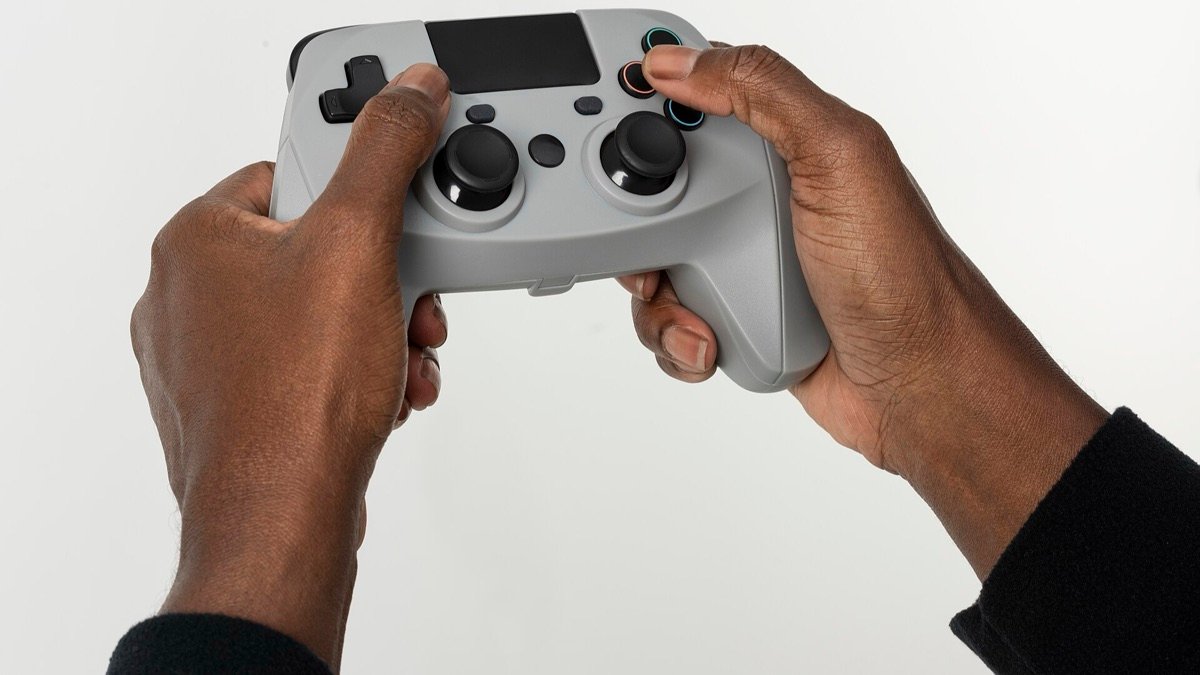
Grand Theft Auto VI launches on Thursday, November 19, 2026, and plenty of players will spend launch night and the weekend after it on the couch for hours at a time. The game isn't the health problem; sitting still for hours, staying up past midnight and drinking a lot of caffeine are. The fixes are small: get up and move for a few minutes every half hour, give your eyes regular breaks, keep caffeine within the FDA's 400 mg a day, and pick a stop time that still leaves you 7 hours of sleep.
This guide covers what the research says about long stretches of sitting, screen time, caffeine and lost sleep. It ends with a simple launch-night plan you can follow without missing much of the game.
When GTA 6 unlocks
Rockstar Games moved Grand Theft Auto VI from May 26, 2026 to November 19, 2026. In its announcement it said the game "will now release on Thursday, November 19, 2026." It's out on PlayStation 5 and Xbox Series X|S.
ABC News, citing a Rockstar support post, reports that the game becomes available "at midnight, local time, for each country on November 19." For most US players that means the game unlocks as Wednesday night turns into Thursday. ABC also reports an installed size of about 212 GB on PS5 and 234 GB on Xbox Series X|S, with pre-loading open since last week. If you pre-load before the evening, you won't sit up even later waiting for the download.
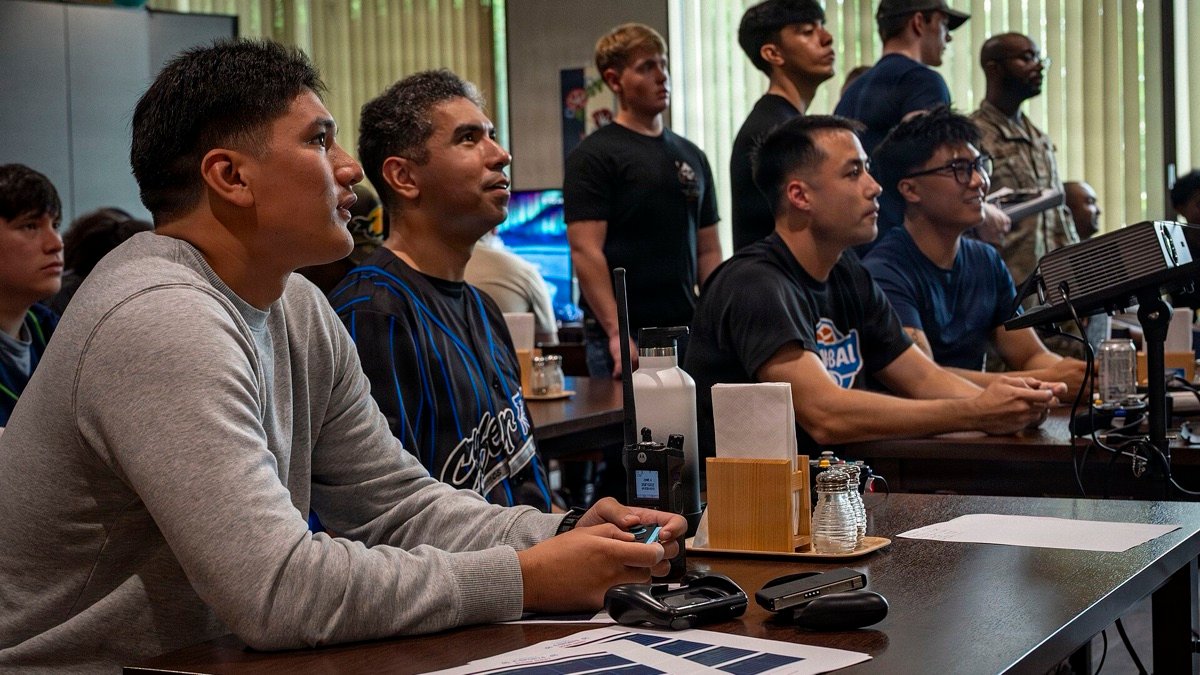
The real risk of a gaming marathon is sitting still
Health guidelines don't single out gaming. They focus on time spent sitting. The World Health Organization's 2020 guidelines recommend "reducing sedentary behaviours" for every age group, but say the evidence wasn't strong enough to set a safe number of sitting hours. The CDC puts it simply: "Move more, sit less," and "some physical activity is better than none."
The CDC's weekly target for adults is unchanged: at least 150 minutes of moderate-intensity activity, such as a brisk walk, plus 2 days of muscle-strengthening activity. A gaming weekend doesn't cancel that out, but a weekend spent almost entirely on the couch makes it hard to reach.
What a study on breaking up sitting found
Researchers at Columbia University tested how often and how long people should get up during a long day of sitting. In a 2023 randomized crossover trial, 11 middle-aged and older adults each sat for 8 hours on five separate days. One day had no breaks. The other four had light walking breaks on different schedules: 1 or 5 minutes, every 30 or 60 minutes.
- Blood sugar: only the 5-minute walk every 30 minutes significantly lowered the rise in blood sugar compared with sitting all day.
- Blood pressure: every break schedule lowered systolic blood pressure compared with sitting all day. The largest drops were 5.2 mm Hg (1 minute every 60 minutes) and 4.3 mm Hg (5 minutes every 30 minutes).
The authors concluded that breaks "every 30 min for 5 min" should be considered when the goal is blood sugar, while smaller doses may be enough for blood pressure. This was a small, short lab study of 11 people, not gamers, and it didn't follow anyone over time. It still gives a clear, practical target: get up for about 5 minutes every half hour. If that's too much on launch night, a minute every hour is still better than nothing.
In practice, use the game's natural pauses: a long cutscene, a loading screen, the end of a mission, or a moment when you'd reach for your phone anyway. In single-player games you can usually pause whenever you like.
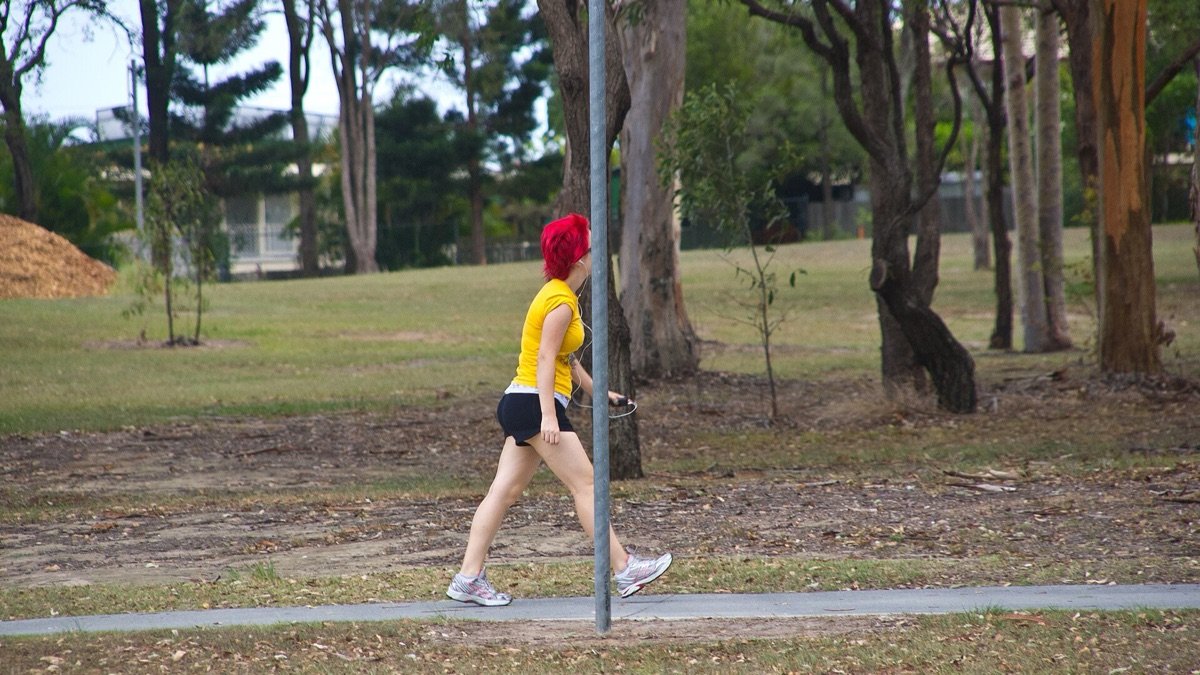
A 5-minute movement break you can do in the living room
You don't need equipment or workout clothes. Here's our example routine. It isn't a tested program, so adjust it to what feels comfortable:
| Minute | Move | Why |
|---|---|---|
| 1 | Walk around your home, or take a flight of stairs up and down | Light walking is what the break schedules in the sitting study used |
| 2 | 10 to 15 sit-to-stands from your couch or chair | Works your thighs and hips, the muscles that sit idle all session |
| 3 | 20 calf raises (heels up, heels down) | The CDC advises exercising your calf muscles on long trips to keep blood flowing in the legs |
| 4 | Chest-opening stretch in a doorway, then slow shoulder rolls | Counters the rounded, forward-leaning controller posture |
| 5 | Refill your water and look out a window or across the room | Hydration, plus a distance break for your eyes (see the 20-20-20 rule below) |
If you'd rather do something a bit harder, short bursts of exercise during the day have been studied too. See our write-up of the exercise snacks strength training study.
Blood clots: rare, but a reason to move your legs
The CDC's guidance on blood clots is written for travelers. It says anyone "traveling more than 4 hours, whether by air, car, bus, or train, can be at risk for blood clots." It also says the risk "is generally very small." The cause is the same in a long gaming session as on a long trip: your legs don't move for hours. The CDC's advice applies directly: "Move your legs frequently when on long trips and exercise your calf muscles to improve the flow of blood."
Know the warning signs the CDC lists. Signs of a deep vein thrombosis (a clot in a leg or arm vein) include swelling, pain or tenderness, warm skin, and redness or discoloration. Difficulty breathing or chest pain can mean a clot has reached the lungs (a pulmonary embolism). Call 911 for sudden shortness of breath or chest pain. If you've had a clot before, had recent surgery, or have other risk factors, ask your doctor how to protect yourself during long periods of sitting.
Your eyes: use the 20-20-20 rule
The 20-20-20 rule is easy to remember: every 20 minutes, look at something about 20 feet away for at least 20 seconds. It has been tested:
- In a 2023 study, 29 computer users with symptoms used software that reminded them to take 20-20-20 breaks for two weeks. Digital eye strain and dry-eye symptoms decreased. The benefit faded one week after the reminders stopped, and measured signs of dry eye and tear film didn't change.
- In a 2025 study of 24 young adults doing 40 minutes of reading, participants reported more eye irritation and eye strain with no breaks than with regular or self-paced breaks.
Both studies looked at close-up screen and reading work, not console gaming on a TV across the room, so treat the results as a reasonable guide rather than proof for gamers. Short pauses to look into the distance cost you almost nothing in game time.
Caffeine and energy drinks: count your milligrams
The FDA cites 400 milligrams of caffeine a day as "an amount not generally associated with negative effects" for most adults. People differ in how sensitive they are, so if you're pregnant, take regular medicines or have a heart condition, ask your doctor what's right for you. Energy drinks are the easy way to go over the limit on a long night:
- The FDA says energy drinks "generally" contain 54 to 328 mg of caffeine per 16 fluid ounces. One 16-ounce can at the top of that range is most of the day's 400 mg.
- Toxic effects such as seizures "can be observed with rapid consumption of around 1,200 milligrams of caffeine," according to the FDA.
- "Medical experts advise against energy drinks for children and teens because of the levels of sugar and caffeine," the FDA notes.
Read the caffeine content on the can, add up coffee, soda and pre-workout too, and stop early in the evening if you still plan to sleep. Our guide to pre-workout caffeine, dose and sleep timing explains why late caffeine and good sleep don't mix. Water is the better choice for the hours after midnight.
Sleep: the hidden cost of a midnight launch
The CDC says adults aged 18 to 60 need 7 or more hours of sleep a night, and teens aged 13 to 17 need 8 to 10 hours. If you start playing at midnight and have to be up at 7 a.m., every hour you play is an hour of sleep you lose.
Lost sleep matters most behind the wheel. In a CDC survey of adults in 10 states and Puerto Rico, 4.0% said they had fallen asleep while driving in the previous 30 days. If launch night leaves you short on sleep, don't drive drowsy the next morning. Get a ride, take transit, or start later.
A practical approach: work out your stop time from your wake time. If you wake at 7 a.m. and need 7 hours, lights-out is midnight, which is no time at all on launch night. Either take the next day off or play the first hour on Thursday evening instead. One late night won't harm you, but repeated short nights and a shifting sleep schedule have their own risks. See our post on irregular sleep and heart disease.
A sample launch-night plan
Here's one way to put it all together. It's our example built from the guidance above, not an official recommendation:
| When | What to do |
|---|---|
| Afternoon or early evening | Finish the pre-load. Get your walk or workout in before the session, even 20 to 30 minutes. A short walk after dinner counts. |
| Before you start | Fill a large water bottle and plan your snacks so you aren't eating straight from the bag for hours. Decide on your caffeine total for the night. |
| Every 20 minutes | Look across the room or out a window for 20 seconds. |
| Every 30 to 60 minutes | Stand up for a 1- to 5-minute movement break: walk, sit-to-stands, calf raises, a stretch. |
| Stop time | Set an alarm for the time that still leaves you 7 hours of sleep, or accept a short night only if you can sleep in or skip driving tomorrow. |
| Next day | Take a walk in daylight before you pick the controller back up. If you walk late at night, read our tips for walking and running in the dark. |
Who should be extra careful
Talk with a doctor before long, sedentary gaming weekends become routine if you've had a blood clot, have heart disease or high blood pressure, are pregnant, take medicines that interact with caffeine, or have a sleep disorder. Parents of younger players should keep in mind that the CDC's sleep target for 13- to 17-year-olds is 8 to 10 hours, and that experts advise against energy drinks for teens.
Frequently asked questions
Is it bad to play video games for 8 hours straight?
The main problem is 8 hours of uninterrupted sitting, not the game. A lab study that kept adults seated for 8 hours found that short walking breaks lowered blood pressure, and 5-minute walks every 30 minutes also blunted blood sugar rises. Play as long as you like, but break up the sitting.
How often should I take a break while gaming?
A good target is about 5 minutes of light movement every 30 minutes, based on the 2023 Columbia sitting study, plus a 20-second look into the distance every 20 minutes for your eyes. If that's too often, a minute every hour is still better than none.
How much caffeine is too much during a gaming session?
For most adults, the FDA cites 400 mg a day as an amount not generally linked to negative effects. Energy drinks generally contain 54 to 328 mg per 16 fl oz, so two strong cans can put you over the limit. Children and teens shouldn't drink energy drinks.
Can a long gaming session cause blood clots?
The CDC says sitting for more than 4 hours on a trip can put people at risk for blood clots, although the risk is generally very small. The same advice applies to a long gaming session: move your legs often, work your calf muscles, and get emergency care for sudden shortness of breath or chest pain.
This article is general information, not medical advice. It isn't a substitute for advice from a doctor or other qualified health professional, especially if you have a heart condition, a history of blood clots, a sleep disorder, or are pregnant.
Sources
- Engadget: Grand Theft Auto VI is delayed to November 19, 2026 (includes Rockstar Games' statement), November 6, 2025.
- ABC News: Grand Theft Auto 6 is out this week and here is everything you need to know, updated November 18, 2026.
- Duran AT, Friel CP, Serafini MA, et al. Breaking Up Prolonged Sitting to Improve Cardiometabolic Risk: Dose-Response Analysis of a Randomized Crossover Trial, Medicine & Science in Sports & Exercise 2023;55(5):847–855.
- Bull FC, Al-Ansari SS, Biddle S, et al. World Health Organization 2020 guidelines on physical activity and sedentary behaviour, British Journal of Sports Medicine 2020;54(24):1451–1462.
- CDC: Adult Activity: An Overview.
- CDC: Understanding Your Risk for Blood Clots with Travel.
- Talens-Estarelles C, Cerviño A, García-Lázaro S, et al. The effects of breaks on digital eye strain, dry eye and binocular vision: Testing the 20-20-20 rule, Contact Lens & Anterior Eye 2023;46(2):101744.
- Redondo B, Jiménez R, Vera J, Rosenfield M. The impact of break schedules on digital eye strain symptoms and ocular accommodation during prolonged near work, Experimental Eye Research 2025;258:110463.
- FDA: Spilling the Beans: How Much Caffeine is Too Much?
- CDC: About Sleep.
- Wheaton AG, Shults RA, Chapman DP, et al. Drowsy Driving and Risk Behaviors — 10 States and Puerto Rico, 2011–2012, MMWR 2014;63(26).
- Banner photo: Hands holding video game controller (50811892858).jpg by Vu Hoang, CC BY 2.0, via Wikimedia Commons (cropped).
- Photo: 2026 Wing Sports Day- Misawa Airmen build teamwork and morale (9917460).jpg by U.S. Air Force / Senior Airman Gavin Hameed, public domain, via Wikimedia Commons (cropped).
- Photo: Walker 7th Brigade Park Chermside IMGP1201.jpg by John Robert McPherson, CC BY-SA 4.0, via Wikimedia Commons (cropped).