

A daily prebiotic fiber supplement did ease knee osteoarthritis pain in a small UK trial, but the effect was modest and the study lasted only 6 weeks. The fiber was inulin, a prebiotic fiber found in plants such as chicory root, taken as a powder at 20 grams a day. Compared with a placebo powder, it lowered knee pain by about 1.1 points on a 0-to-10 scale. A home exercise program lowered pain by about 1.6 points, and doing both lowered it by about 1.7.
The study was published in Nutrients in February 2026 and drew fresh attention when ScienceDaily reposted the University of Nottingham's press release on October 27, 2026. It is a promising early result, not a new treatment. Exercise and, where needed, weight loss are still the best-supported things you can do for knee osteoarthritis (OA). Getting more fiber from food is sensible either way.
What the inulin study found
The INSPIRE trial, run by Afroditi Kouraki, Ana Valdes and colleagues at the University of Nottingham, tested a fiber supplement and a digital physical therapy program, alone and together.
- Who took part: 117 adults living in the community with knee OA pain, with an average age of 67.5. 58% were women. Average pain at the start was about 4 on a 0-to-10 scale.
- The four groups: 20 g a day of inulin powder (26 people), an app-based physical therapy exercise program (40 people), both (24 people), or a placebo of 10 g a day of maltodextrin, a starch-based powder (27 people).
- How they took it: participants stirred the powder into cereal, smoothies, yogurt or a drink once a day, and were asked to keep eating as usual.
- The exercise program: daily leg-strengthening and balance exercises plus education about OA, delivered through the Joint Academy app with support from a physical therapist.
- Main measure: average pain in the worse knee over the past week, rated from 0 (no pain) to 10 (worst imaginable), after 6 weeks.
| Outcome | Inulin only | Exercise program only | Inulin + exercise |
|---|---|---|---|
| Knee pain (0–10) | −1.11 points (p = 0.045) | −1.55 points (p = 0.002) | −1.67 points (p = 0.004) |
| Grip strength | +4.62 kg, about 10 lb (p = 0.002) | No effect | No effect |
| 30-second sit-to-stand | No effect | +2.76 stands (p = 0.0004) | +2.37 stands (p = 0.006) |
| Timed up and go (walking test) | No effect | 0.66 seconds faster (p = 0.0195) | No effect |
| Pain sensitivity tests | Improved | No improvement | Improved on the knee pressure test |
Both inulin and the exercise program passed the 1-point change on the pain scale that researchers treat as the smallest difference a patient would notice. The authors note that exercise came close to the 2-point "much better" mark, while inulin met the lower end. Combining the two did not add a clear extra benefit, but the study was too small to test that properly.
People also stuck with the powder: 2 of 55 people (3.6%) in the two groups without exercise dropped out, vs. 17 of 81 (21%) in the two exercise groups.
The powder was not side-effect free. Of the 50 people who completed the inulin arms, 23 reported minor gas or bloating. None stopped because of it, and no side effects were reported in the groups without inulin.
What is inulin, and how could fiber affect knee pain?
Inulin is a soluble, prebiotic fiber found naturally in chicory root, Jerusalem artichoke and other plants. "Prebiotic" means it feeds certain gut bacteria, which ferment it into compounds called short-chain fatty acids, such as butyrate.
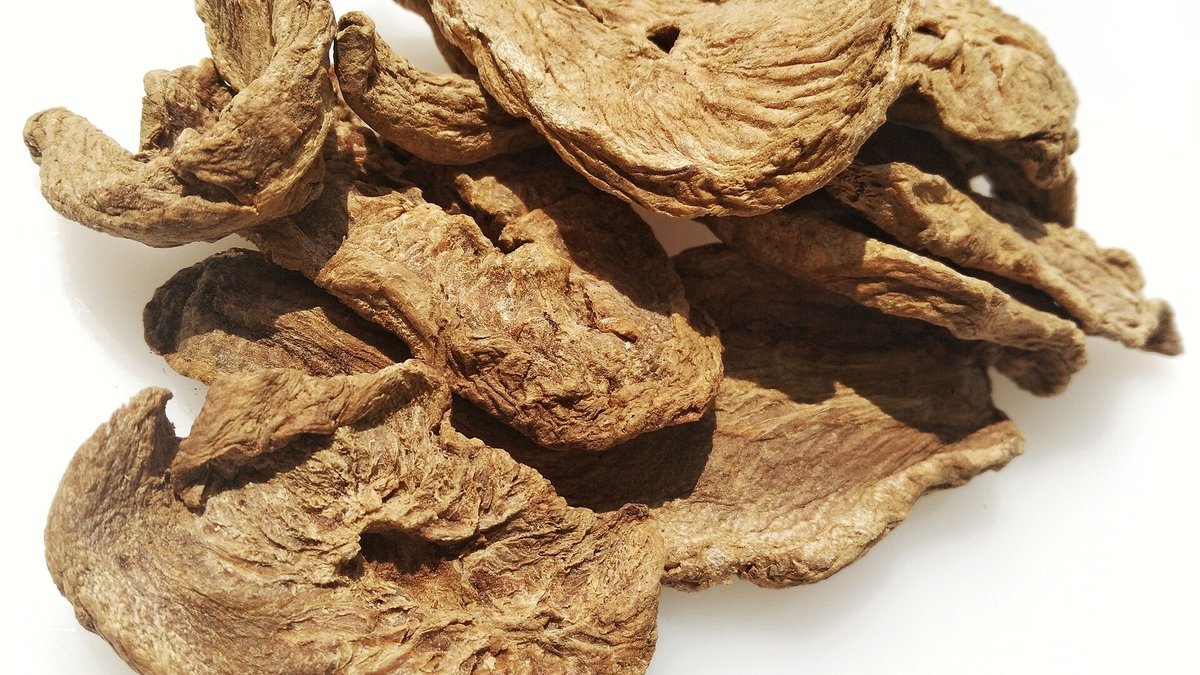
The researchers suspected that changing the gut microbiome might change how the body processes pain. They found:
- Butyrate rose in the blood of people taking inulin, but the rise did not track with less pain or better function.
- GLP-1 rose too. This gut hormone went up only in the inulin groups, and higher GLP-1 went with better grip strength. The authors call this a possible "gut–muscle" link.
- Other markers didn't move. Gut microbiome diversity, inflammatory proteins and other planned measures, tested in a smaller subset, showed no significant changes linked to the main result.
Treat the GLP-1 finding with care. The test was added after the butyrate results didn't explain the effect, it was not part of the original plan, and the simple correlations did not survive a correction for multiple testing. This is your body's own GLP-1, not the drug-level effect of medicines such as Wegovy or Zepbound. If you are on one of those, our guide to strength training on GLP-1 medicines covers protecting muscle.
How strong is the evidence?
This was a randomized, placebo-controlled trial, and the people measuring outcomes did not know who got what. But several things limit how far you can take it.
- Small and short. 24 to 40 people per group, followed for 6 weeks. Nobody knows yet whether the benefit lasts or grows.
- The pain benefit for inulin was borderline. The 95% confidence interval ran from −2.18 to −0.04 points, so the true effect could be close to zero.
- Randomization was changed partway through. Because so many people left the exercise groups, later recruits were steered toward them. The authors say this "reduces the strength of causal inference," though their checks gave similar results.
- Blinding may have slipped. People knew whether they were exercising. For the powders, the placebo was a different dose (10 g vs. 20 g), and nearly half of inulin takers noticed gas or bloating. The paper doesn't report whether participants could guess their group.
- Who was left out. People with irritable bowel syndrome (IBS) or fibromyalgia were excluded, so the results don't apply to them.
- Funding and interests. UK public and charity funders paid for it: the Medical Research Council and Advanced Pain Discovery Platform, Versus Arthritis (now Arthritis UK), UKRI and the NIHR Nottingham Biomedical Research Centre. No supplement company is listed as a funder. Two authors sit on scientific advisory boards of food and nutrition companies (Chuckling Goat, and for the senior author also OLIPOP), which the paper says had no role in the study.
The result does fit with one earlier trial. In a 2024 University of Calgary trial, 54 adults (mostly women) with knee OA and obesity took 16 g a day of an inulin-type fiber or a placebo for 6 months. The fiber group improved more on a timed up-and-go test, a fast-paced walking test and grip strength. Knee pain showed a trend toward improvement that fell just short of statistical significance (p = 0.059).
More data is coming. A Yale University trial registered on ClinicalTrials.gov plans to randomize an estimated 84 older adults with knee OA to 10 g or 15 g of inulin a day or a placebo for 8 weeks, with an estimated start of November 2026. Unlike INSPIRE, its placebo is designed to look and taste the same, and its listing says participants, care providers, investigators and outcome assessors will all be blinded. Lucy Donaldson, director of research at Arthritis UK, which helped fund the trial, called it "exciting preliminary research," which is a fair summary.
Where this fits in US knee arthritis care
About 33 million US adults have osteoarthritis, according to the CDC. The risk rises with age, extra body weight, past joint injury and family history, and women are more likely to get it than men, especially after 50.
The 2019 American College of Rheumatology/Arthritis Foundation guideline is the main US guideline for hand, hip and knee OA. For the knee it strongly recommends:
- Exercise, which "could include walking, strengthening, neuromuscular training, and aquatic exercise, with no hierarchy of one over another." It works better when supervised.
- Weight loss if you are overweight or have obesity. Losing 5% or more of body weight can make a difference, and benefits keep growing with more loss.
- Tai chi.
- Self-management programs, a cane, and a tibiofemoral knee brace where appropriate.
- Topical and oral NSAIDs and steroid injections into the joint, which are decisions to make with your clinician.
The same guideline is skeptical of popular joint supplements. It strongly recommends against glucosamine and chondroitin for knee OA, and conditionally recommends against fish oil and vitamin D. It doesn't address prebiotic fiber, because trials like INSPIRE came later. So a fiber supplement is, at most, something to add alongside proven care, never a replacement for it.
How to get more fiber: food first
Most Americans already fall short on fiber. MedlinePlus, from the National Library of Medicine, says adults should aim for 21 to 38 grams a day, while the average American eats about 16 grams. The 2025–2030 Dietary Guidelines for Americans don't set a gram target. Instead they tell you to prioritize fiber-rich whole grains (2 to 4 servings a day) and eat 3 servings of vegetables and 2 of fruit a day on a 2,000-calorie pattern. They also say high-fiber foods support a diverse gut microbiome.
| Food | Portion | Fiber (g) |
|---|---|---|
| Raspberries, raw | 1 cup | 9.8 |
| Black beans, canned | 1/2 cup | 9.1 |
| Blackberries, raw | 1 cup | 8.0 |
| Split peas, cooked | 1/2 cup | 7.4 |
| Lentils, cooked | 1/2 cup | 7.1 |
| Chickpeas, canned | 1/2 cup | 6.6 |
| Pear, raw | 1 medium | 5.6 |
| Apple, raw | 1 medium | 4.2 |
| Oatmeal, cooked with water | 1 cup | 4.1 |
| Almonds | 1 oz | 3.0 |
| Whole-wheat bread | 1 slice | 2.2 |
A simple day that reaches about 24 grams: a cup of oatmeal topped with half a cup of raspberries (about 9 g), half a cup of lentils in soup or a salad (about 7 g), a pear as a snack (about 5.6 g) and a slice of whole-wheat bread with dinner (about 2.2 g). Swap in beans and you go higher. For more ideas on soluble vs. insoluble fiber, see our guide to high-fiber foods and fiber supplements.
Food won't reproduce the trial's 20 g of pure inulin, and nobody knows whether food fiber eases knee pain the same way. But fiber-rich foods bring vitamins and minerals and can help with weight control, which does have strong evidence for knee OA.
If you want to try an inulin supplement
Inulin powders are sold as dietary supplements. As MedlinePlus notes, supplements "do not have to go through the testing that drugs do." If you decide to try one:
- Start low and build up slowly. MedlinePlus advises adding fiber "gradually over a period of a few weeks." The upcoming Yale trial, for example, starts at 5 g a day for 3 days, then 10 g, before reaching its higher dose. Don't jump straight to 20 g.
- Drink enough fluids. Water helps fiber pass through the digestive system.
- Expect some gas at first. Gas, bloating and cramps are common when fiber rises quickly and often ease as gut bacteria adjust. Back off if they don't.
- Check with a pharmacist or doctor first, especially if you take regular medicines, have IBS or another bowel condition, or have been told to limit fiber. Ask whether to take the powder at a different time from your medicines, and tell your clinicians you're using it.
- Don't take more than the label says, and don't drop exercise or prescribed treatment for it.
A knee-friendly activity week
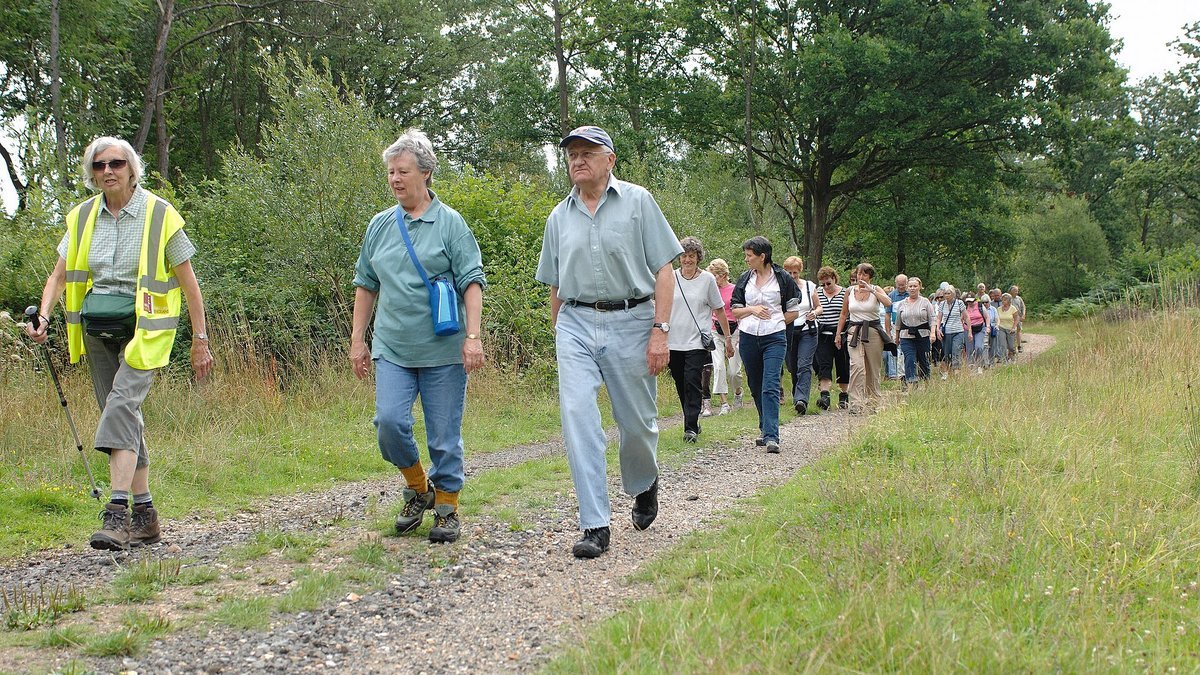
The CDC recommends that adults with arthritis aim for at least 150 minutes a week of moderate aerobic activity and at least 2 days of muscle strengthening. Older adults should mix in balance activities. CDC lists brisk walking, cycling, light gardening, dancing, tai chi, swimming and water exercise as joint-friendly choices. One way to build a week (start well below these targets if you're new):
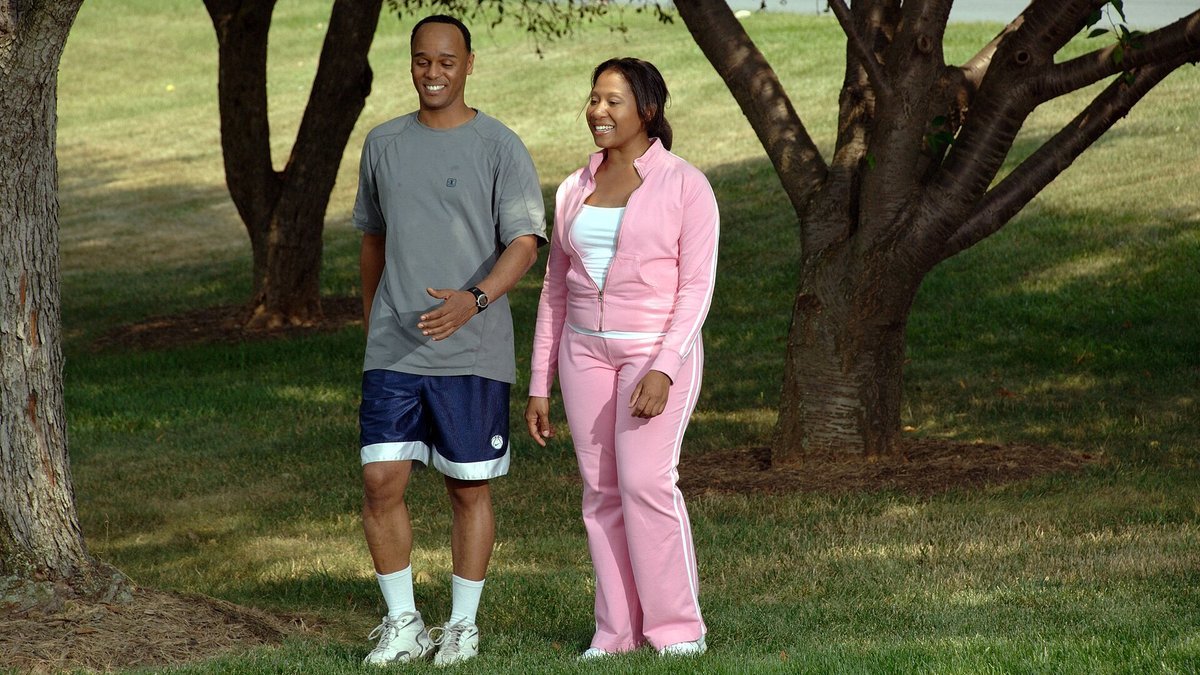
- Most days: a walk at a pace where you can still talk. Start with a few minutes, add a little each week, and split it into short bouts if that's easier on your knee.
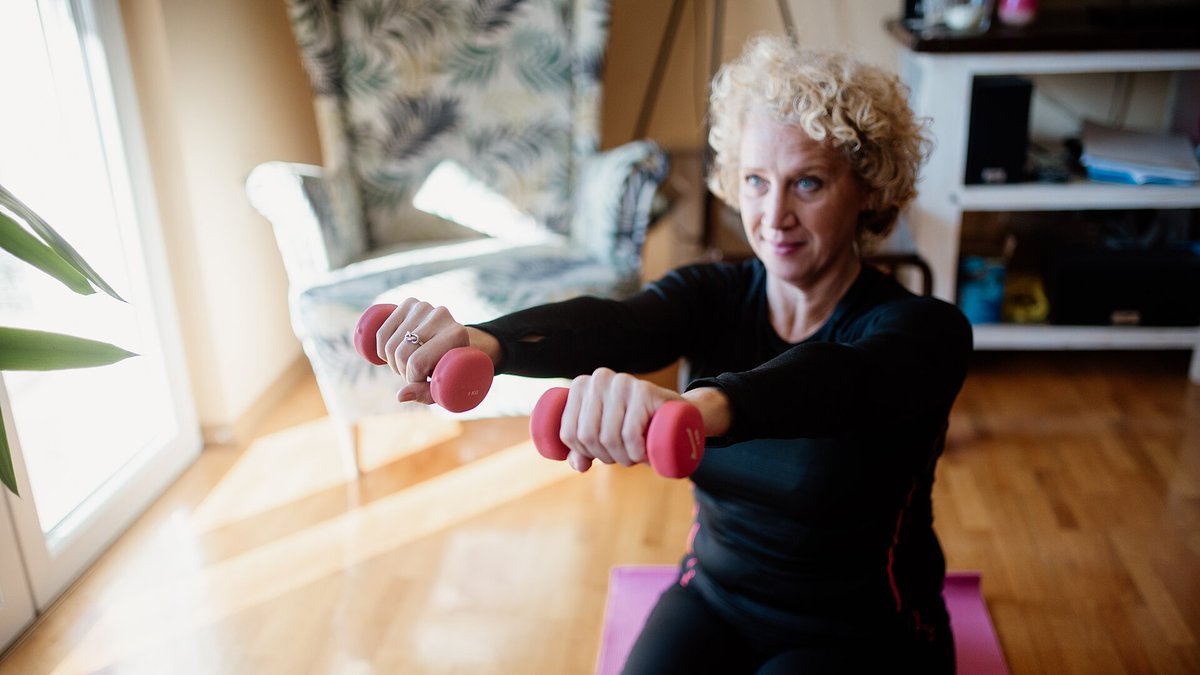
- 2 days a week, strength: chair sit-to-stands, seated leg straightening, heel raises holding a counter, and side leg lifts. Use your body weight first, then light weights or resistance bands that don't cause joint pain.
- 1 or 2 days, low-impact cardio: a stationary or regular bike, or a water-exercise class. See cycling benefits and how to choose a bike.
- Once or twice a week, balance: a tai chi class, which the ACR/Arthritis Foundation guideline strongly recommends for knee OA, or the balance moves in our strength and balance routine for seniors.
- Track progress: once a month, count how many times you can stand up fully from a chair in 30 seconds. This is one of the tests the INSPIRE trial used.
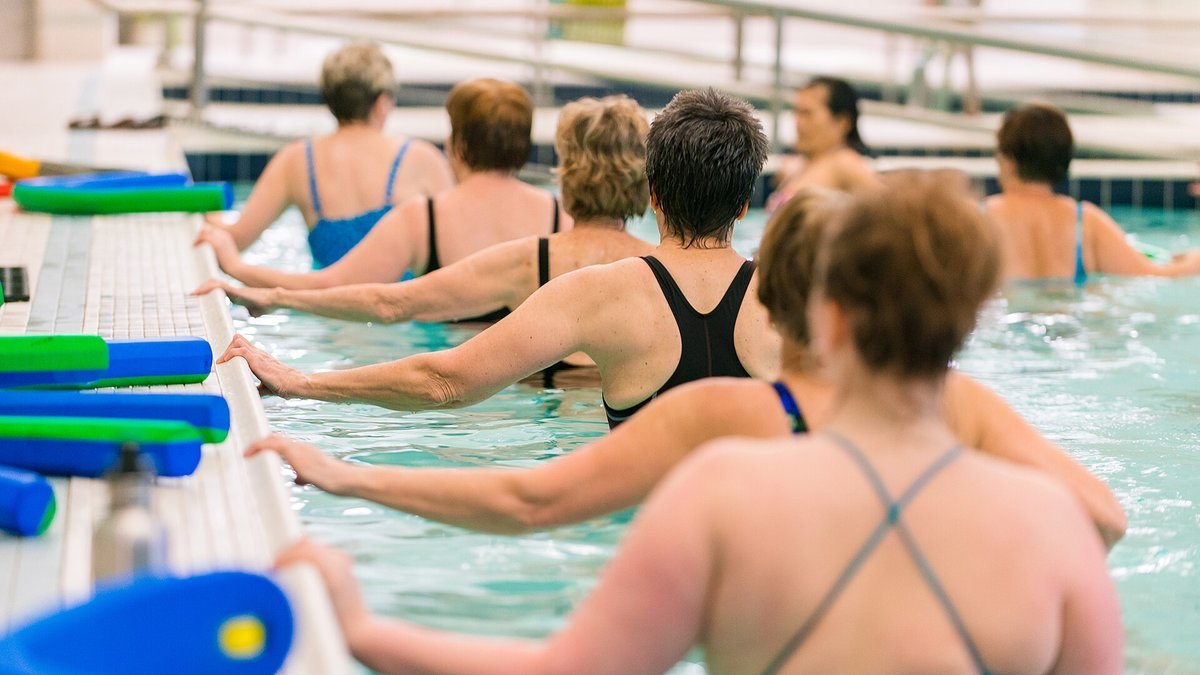
CDC notes that some pain, stiffness or swelling is normal when you start a new program and should get better over time. If it doesn't, contact your health care provider. CDC also suggests its self-guided Walk With Ease program if you want structure.
When to see a doctor about knee pain
Not all knee pain is arthritis. MedlinePlus advises contacting your provider if:
- You can't put weight on the knee, or you have severe pain even at rest.
- The knee buckles, clicks or locks, looks deformed, or won't bend or straighten fully.
- You have a fever, redness or warmth around the knee, or a lot of swelling.
- You have pain, swelling, numbness, tingling or bluish color in the calf below the sore knee.
- Pain continues after 3 days of home treatment.
Also talk to your clinician before starting a fiber supplement if you take prescription medicines or have a digestive condition. A physical therapist can tailor exercises if your knee flares with activity.
FAQ
Can a fiber supplement replace exercise for knee arthritis?
No. In the INSPIRE trial, the exercise program cut pain somewhat more than inulin and also improved standing and walking tests, which inulin did not. The authors point to a review of 139 trials showing exercise consistently improves knee OA pain and function, while the inulin finding comes from one 6-week trial.
Will any fiber supplement work, such as psyllium?
Unknown. The trial tested only inulin, a prebiotic fiber, at 20 g a day. Psyllium and other fibers weren't tested, so it's not known whether they would have the same effect.
Is inulin safe?
In the trial, the main side effects were mild gas and bloating, reported by 23 of the 50 people who completed the inulin arms, and nobody quit because of them. People with IBS were excluded. Start with a small amount and check with a pharmacist or doctor if you take medicines or have a bowel condition.
This article is general information, not medical advice. It isn't a substitute for advice from a doctor or other qualified health professional, especially if you have a medical condition or take medication.
Sources
- Kouraki A, Franks S, Vijay A, et al. Effect of Prebiotic Supplementation With and Without Physiotherapy on Pain and Pain Sensitivity in People with Knee Osteoarthritis, Nutrients 2026;18(5):714 (full text).
- University of Nottingham press release: Gut health supplement relieves arthritis pain, finds new study (March 12, 2026).
- ClinicalTrials.gov: Lifestyle Interventions for Pain Relief (INSPIRE), NCT05670314.
- Fortuna R et al. Effect of prebiotic fiber on physical function and gut microbiota in adults, mostly women, with knee osteoarthritis and obesity: a randomized controlled trial, European Journal of Nutrition 2024.
- ClinicalTrials.gov: Inulin Supplementation for Reducing Inflammation and Knee Pain in Older Adults With Osteoarthritis (Yale University), NCT07189585.
- Kolasinski SL et al. 2019 American College of Rheumatology/Arthritis Foundation Guideline for the Management of Osteoarthritis of the Hand, Hip, and Knee, Arthritis Care & Research 2020 (full text).
- CDC: Osteoarthritis (OA).
- CDC: About Physical Activity and Arthritis.
- USDA and HHS: Dietary Guidelines for Americans, 2025–2030.
- MedlinePlus (National Library of Medicine): Fiber.
- MedlinePlus: Dietary Supplements.
- MedlinePlus: Knee pain.
- USDA FoodData Central (survey foods: raspberries, black beans, blackberries, split peas, lentils, chickpeas, pear, apple, oatmeal, almonds, whole-wheat bread).
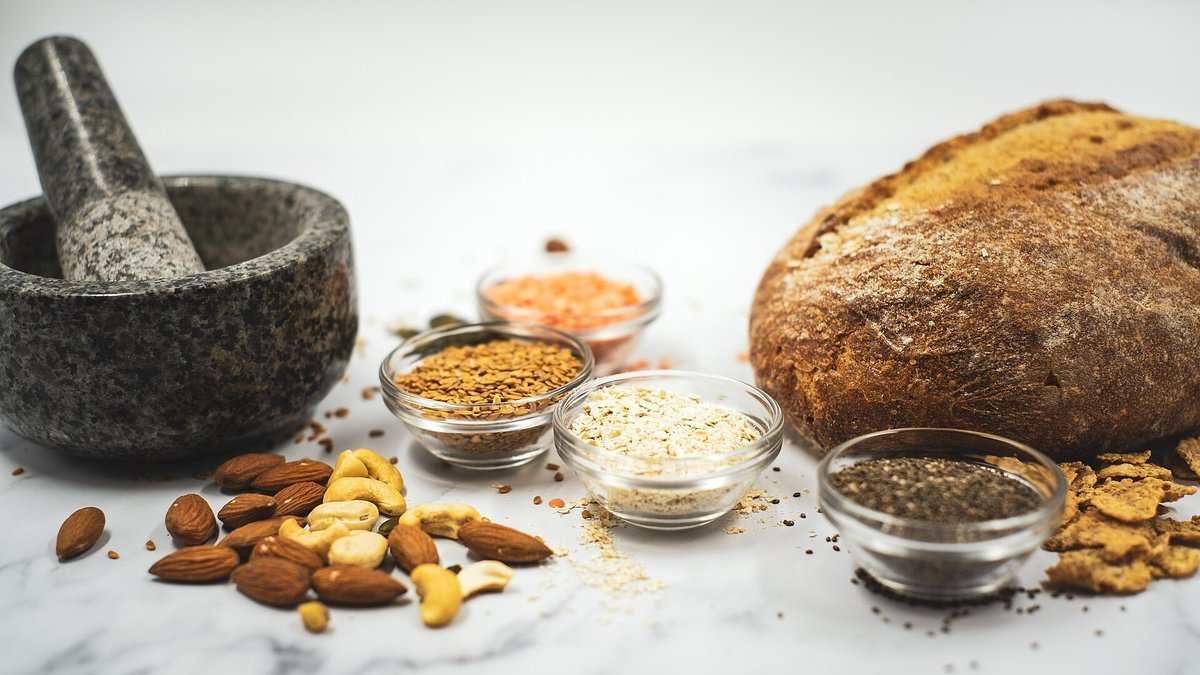
- Banner photo: Foods with a high fibre content, such as bread, grains, chia seeds and nuts.jpg by formulatehealth, CC BY 2.0, via Wikimedia Commons (cropped).
- Photo: Dried chicory root.jpg by Herbeater, CC BY-SA 4.0, via Wikimedia Commons (cropped).
- Photo: Aquatic Fitness (30794237733).jpg by Huntsville Ontario, CC BY 2.0, via Wikimedia Commons (cropped).