

In a study of 461,682 older Americans followed for a median of almost 19 years, people who ate the most ultra-processed food were no more likely to develop colorectal cancer than people who ate the least. The study, by National Cancer Institute (NCI) researchers and colleagues, was published in PLOS Medicine on October 15, 2026. It also found that the answer depended on which ultra-processed foods people ate. Ultra-processed breads, breakfast cereals and dairy-based foods, which were major sources of whole grains, fiber and calcium, were linked to lower risk. Processed meat products such as hot dogs and sausages were linked to higher risk.
That doesn't mean ultra-processed food is "fine." It means that for this one cancer, what a food contains (fiber, whole grains, calcium, processed meat) seems to matter more than how processed it is. The study was observational, with diets recorded once in the mid-1990s. Its advice matches what cancer groups already say: more fiber and whole grains, dairy or other calcium sources, little processed meat, and screening from age 45.
What the study did
The researchers, led by Leila Abar and Caitlin O'Connell at the NCI with senior author Erikka Loftfield, used the NIH-AARP Diet and Health Study.
- Who: 461,682 adults aged 50 to 71 (274,269 men and 187,413 women) who were cancer-free when they joined in 1995–96. They were AARP members living in California, Florida, Louisiana, New Jersey, North Carolina or Pennsylvania, or in the Atlanta and Detroit areas. About 91% were non-Hispanic white.
- Diet: each person filled in a 124-item food frequency questionnaire once, at the start. The team broke each item into its component foods and sorted them with the NOVA system (explained below).
- How much ultra-processed food: the typical (median) participant got 43% of their calories from ultra-processed foods. People were split into five equal groups (quintiles) from lowest to highest intake.
- Follow-up: through the end of 2018, using state cancer registries. Over a median of 18.8 years, 10,075 people were diagnosed with colorectal cancer (adenocarcinoma).
- Adjustments: age, sex, race and ethnicity, education, smoking, physical activity, alcohol, family history of cancer and self-rated health.
The study was funded by the NCI's intramural research program, and the authors declared no competing interests.
What "ultra-processed" means (the NOVA system)
NOVA, developed by researchers at the University of São Paulo, sorts foods by the extent and purpose of industrial processing, not by nutrients:
- Unprocessed or minimally processed foods: fruit, vegetables, grains, legumes, nuts, milk, fresh meat.
- Processed culinary ingredients: oils and fats, sugar and salt.
- Processed foods: foods from group 1 with salt, sugar or oil added, such as canned vegetables, cheese and simple breads.
- Ultra-processed foods: industrial formulations, such as soft drinks, packaged snacks, candy, ice cream, mass-produced packaged breads, breakfast cereals, and reconstituted meat products like sausages and hot dogs.
NOVA's authors suggest a quick test: a product is ultra-processed if its ingredient list has at least one item you would rarely use in a home kitchen (such as high-fructose corn syrup, hydrogenated oils or hydrolyzed proteins) or additives such as flavors, colors, emulsifiers, sweeteners or thickeners. A loaf of bread made only from flour, water, salt and yeast is "processed". The same loaf with added emulsifiers counts as ultra-processed.
So a packaged whole-wheat loaf, a flavored yogurt, a hot dog and a soda can all be ultra-processed, despite very different nutrition. According to the paper, these foods supply more than half of US adults' calories.
What the study found
Overall: no link between total ultra-processed food and colorectal cancer
Compared with the fifth of people who ate the least ultra-processed food, the fifth who ate the most had a hazard ratio of 0.97 (95% confidence interval 0.91 to 1.03). In plain terms, their risk was about the same: the plausible range runs from slightly lower to slightly higher, and there was no trend as intake rose. The results were similar for the right side of the colon (1.02), the left side (0.94) and the rectum (0.91), with none statistically significant.
Further adjustment for overall diet quality, fiber and calcium (hazard ratio 0.94) or for body weight (0.94) barely changed the result.
The foods inside the category pointed in opposite directions
The more useful finding is what happened when the team split ultra-processed food into types. In this cohort, ultra-processed foods supplied 82.8% of people's whole grains, 33.5% of their fiber, 31.7% of their calcium and 23.5% of their dairy. They also supplied 74.3% of their processed meat. Earlier research, summarized in a 2018 World Cancer Research Fund report, links these foods to colorectal cancer in opposite directions, so they may cancel each other out in the total.
| Food or nutrient | Comparison | Hazard ratio (95% CI) | Direction |
|---|---|---|---|
| Ultra-processed breakfast cereals | Highest vs. lowest fifth | 0.84 (0.79–0.90) | Lower risk |
| Ultra-processed bread | Highest vs. lowest fifth | 0.91 (0.86–0.97) | Lower risk |
| Ultra-processed frozen desserts and milk drinks | Highest vs. lowest fifth | 0.82 (0.77–0.88) | Lower risk |
| Reconstituted meat and fish products (sausages, hot dogs and similar) | Highest vs. lowest fifth | 1.10 (1.04–1.18) | Higher risk |
| Fiber from ultra-processed foods | Per 10 g more per 1,000 calories | 0.72 (0.64–0.80) | Lower risk |
| Whole grains from ultra-processed foods | Per serving per 1,000 calories | 0.87 (0.82–0.92) | Lower risk |
| Dairy from ultra-processed foods | Per serving per 1,000 calories | 0.75 (0.62–0.91) | Lower risk |
| Dairy from other foods | Per serving per 1,000 calories | 0.90 (0.87–0.94) | Lower risk |
| Calcium from ultra-processed foods | Per 300 mg per 1,000 calories | 0.77 (0.69–0.86) | Lower risk |
| Calcium from other foods | Per 300 mg per 1,000 calories | 0.90 (0.87–0.93) | Lower risk |
| Meat from ultra-processed foods | Per serving per 1,000 calories | 1.08 (1.02–1.14) | Higher risk |
| Meat from other foods | Per serving per 1,000 calories | 1.04 (1.01–1.06) | Higher risk |
A hazard ratio below 1 means lower risk and above 1 means higher risk. For example, 1.10 is about 10% higher risk, and 0.84 is about 16% lower. These are relative differences within this cohort, not your personal odds.
Two details are easy to miss:
- Fiber and whole grains from less-processed foods weren't significantly linked to risk. The authors think this likely reflects too little data rather than a real difference. Fewer than 20% of whole grains came from non-ultra-processed foods in this group, and earlier NIH-AARP work tied fiber from whole grains specifically to lower risk.
- Meat from both sources was linked to higher risk. The authors analyzed total meat by NOVA group, so the "other" meat would include fresh cuts. The authors also say the food-group results should be seen as exploratory.
Overall diet quality still mattered
The team also scored each diet with the Healthy Eating Index, which measures how closely it follows the Dietary Guidelines for Americans. The reference group ate the least ultra-processed food and had a "good" diet. Compared with them, people with a "poor" diet had higher risk whether they ate little ultra-processed food (2nd fifth: hazard ratio 1.28) or a lot (top fifth: 1.22). And in a statistical model that swapped 10% of the weight of ultra-processed food for minimally processed food, colorectal cancer risk was 2% lower (hazard ratio 0.98, 0.96–0.99).
So a low-quality diet was a risk factor regardless of processing, and replacing some ultra-processed food was linked with slightly lower risk.
What this does and doesn't mean
It does not show that ultra-processed food is harmless
- It is observational. It shows associations, not cause and effect. People who ate the most ultra-processed food were also more likely to have obesity (29.6% vs. 15.2%) and less likely to exercise 3 or more times a week (40.6% vs. 49.7%). Adjustments help, but the authors note that factors they couldn't measure, or measured poorly, such as use of anti-inflammatory painkillers (NSAIDs) or socioeconomic status, could still skew results.
- Diet was self-reported once, in 1995–96. The questionnaire was built to measure nutrients, not processing. Someone who ticked "yogurt" might have eaten plain yogurt (not ultra-processed) or a flavored one (ultra-processed), and the study couldn't tell which. The US food supply has also changed a lot since then, so the authors say the study probably underestimates today's intake.
- The participants were older and mostly white. The authors caution the results may not apply to younger, more diverse Americans.
- No data on additives. The team couldn't test emulsifiers or other additives, which other research has linked to gut inflammation.
- It covers one cancer. It says nothing about weight, heart disease, type 2 diabetes or other outcomes.
Other evidence still gives reasons for caution
A small but tightly controlled NIH trial from 2019 showed one way ultra-processed diets may affect health. Twenty adults lived at the NIH Clinical Center and ate an ultra-processed diet for 2 weeks and an unprocessed diet for 2 weeks. The meals offered were matched for calories, sugar, salt, fat and fiber. On the ultra-processed diet, people ate about 508 more calories a day and gained about 2 lb (0.9 kg). On the unprocessed diet, they lost about the same amount. Excess body weight is itself a risk factor for colorectal cancer, according to the American Cancer Society.
Earlier cohort studies have also disagreed. A study of three US health-professional cohorts found higher colorectal cancer risk with more ultra-processed food in men but not women. The European EPIC study found a 6% higher risk per 10% more ultra-processed food in women but not men. An umbrella review cited by the authors rated the overall evidence on ultra-processed food and colorectal cancer as very low quality. The new study adds a large, long dataset to that mixed picture. It doesn't settle the question.
What to do: practical, US-guideline-based steps
The authors conclude that their findings "support current dietary guidance to consume whole grains, fiber, dairy, and calcium and avoid processed meat" for colorectal cancer prevention. Here is how that guidance looks in practice.
1. Keep processed meat to a minimum
Major cancer agencies agree that processed meat raises colorectal cancer risk, and this study points the same way:
- The World Health Organization's cancer agency (IARC) classifies processed meat as carcinogenic to humans (Group 1) because of its link to colorectal cancer. It estimated that each 50 g (about 1.8 oz) of processed meat eaten daily raises colorectal cancer risk by 18%. Red meat is classed as "probably" carcinogenic (Group 2A).
- The World Cancer Research Fund and American Institute for Cancer Research (AICR) advise eating "little, if any, processed meat." If you eat red meat, they suggest no more than about three portions a week, about 12–18 oz (350–500 g) cooked.
- The American Cancer Society lists hot dogs and some lunch meats among the foods linked to higher risk, and its guideline says a healthy eating pattern limits or doesn't include red and processed meats.
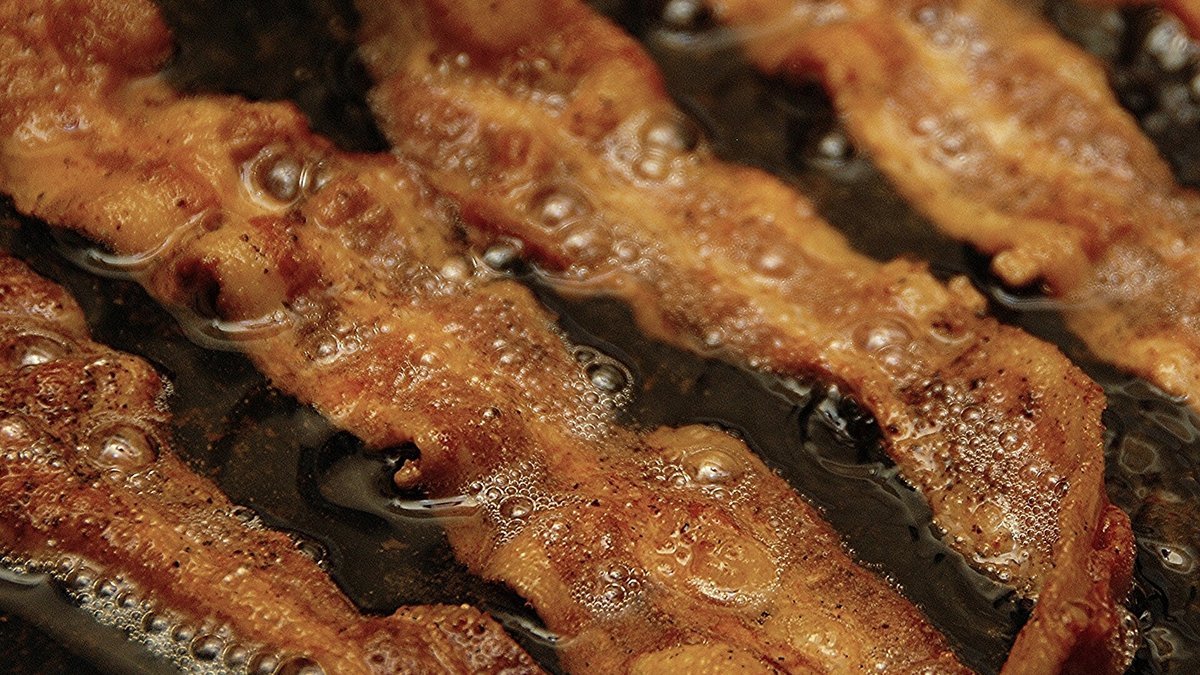
- Easy swaps: fresh chicken, fish, eggs, beans or lentils instead of bacon, sausage, ham or salami. Use leftover roast chicken in sandwiches instead of deli meat. Save hot dogs and bacon for occasional meals.
2. Get more fiber and whole grains, from minimally processed foods where you can
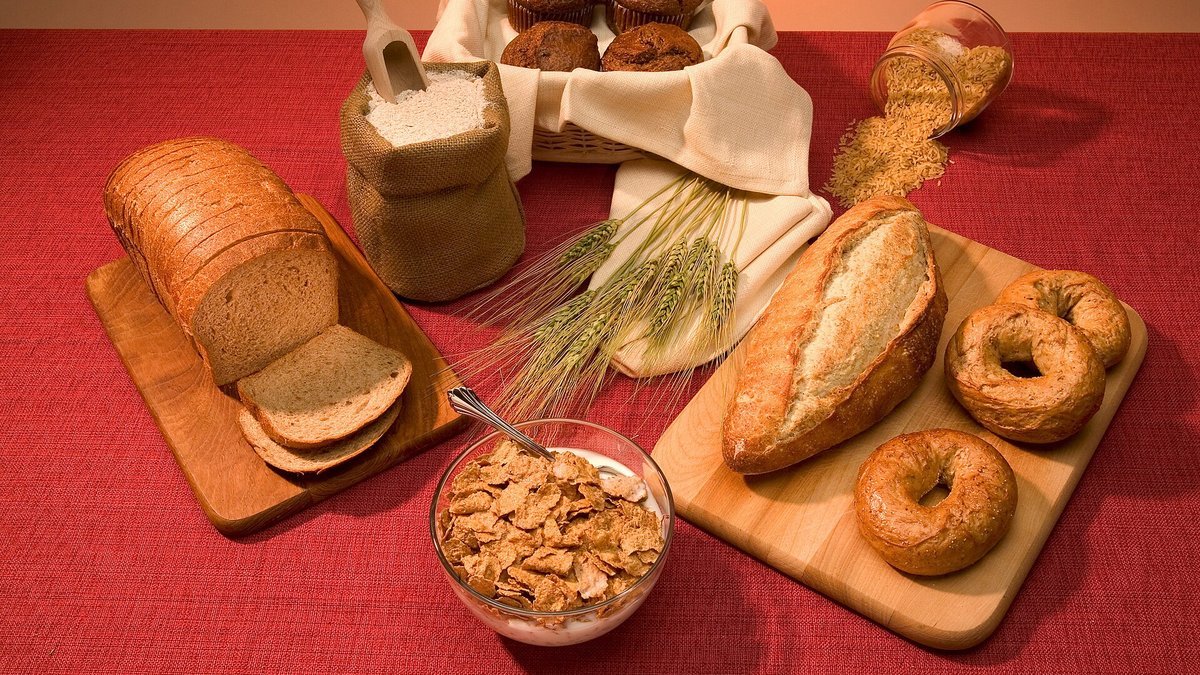
The new Dietary Guidelines for Americans, 2025–2030 say to "prioritize fiber-rich whole grains" (2 to 4 servings a day) and to significantly reduce refined, highly processed carbohydrates such as white bread, packaged breakfast options and crackers. This study suggests that a whole-grain bread or high-fiber cereal can still count toward your fiber, even if it's technically ultra-processed. The guidelines' warning is about the refined, sugary versions.
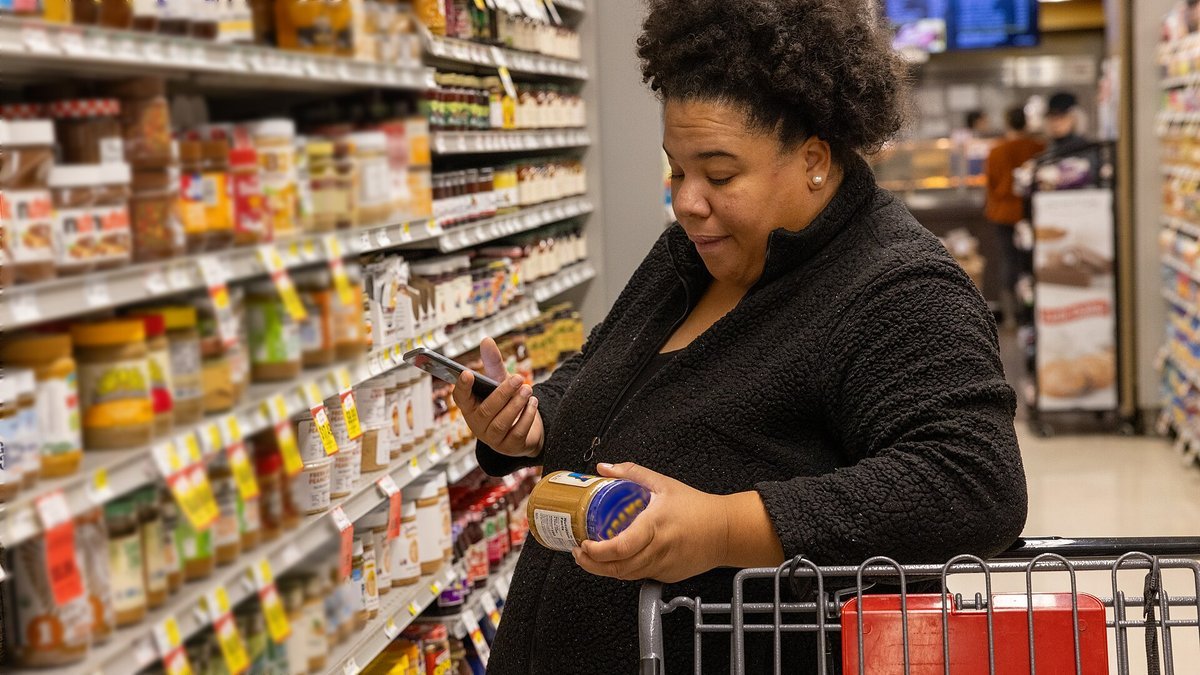
- Pick breads and cereals with a whole grain (such as whole wheat or oats) listed first in the ingredients, and compare added sugars on the Nutrition Facts label.
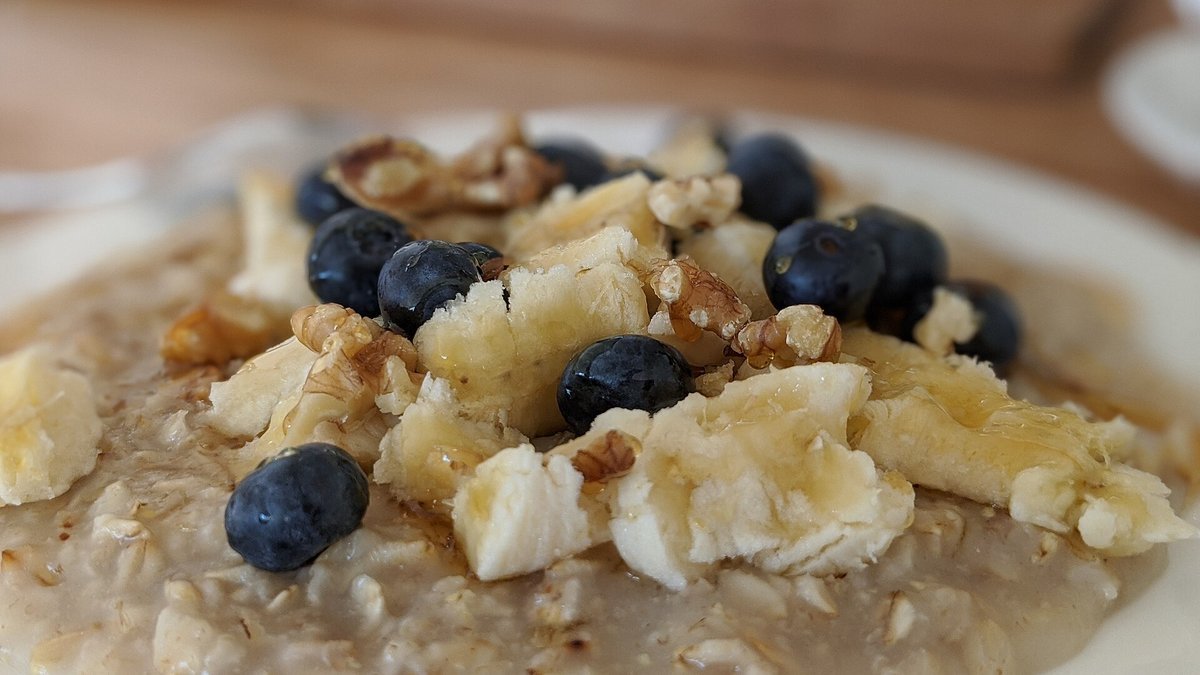
- Add less-processed fiber too: oatmeal, brown rice, beans, lentils, vegetables, fruit, nuts and seeds. The guidelines suggest 3 servings of vegetables and 2 of fruit a day for a 2,000-calorie diet. Frozen or canned produce without added sugar counts.
- Increase fiber gradually and drink enough water. For more ideas, see our guide to high-fiber foods and their benefits.
3. Include dairy or other calcium sources
Dairy and calcium were linked to lower risk whether they came from ultra-processed foods or not. The 2025–2030 guidelines suggest 3 servings of dairy a day on a 2,000-calorie diet, choosing dairy "with no added sugars." In practice, choose plain yogurt (add your own fruit), milk and cheese more often than sweetened yogurts, milkshakes and ice cream. If you don't eat dairy, see our overview of calcium-rich foods.
4. Still cut back on the junk
Both the American Cancer Society and the federal Dietary Guidelines still advise limiting highly processed foods. The American Cancer Society's guideline says a healthy eating pattern limits "highly processed foods and refined grain products" and sugar-sweetened drinks. The Dietary Guidelines say to avoid salty or sweet packaged foods "such as chips, cookies, and candy" and sugar-sweetened beverages. This study doesn't change that. Its message is that whole-grain, dairy and fiber-rich foods shouldn't be thrown out just because they come in a package.
5. Don't forget the non-food risk factors
The American Cancer Society links excess body weight, long-term smoking and moderate to heavy drinking to higher colorectal cancer risk. Its guideline recommends 150–300 minutes of moderate activity (or 75–150 minutes of vigorous activity) a week and says it is best not to drink alcohol. For an easy way to build activity into your week, see what the 2027 Physical Activity Guidelines update means for you.
The step that matters most: screening from age 45
Diet may shift your risk a little. Screening does more: according to the CDC, screening tests can find polyps so they can be removed before they turn into cancer, and can find cancer early, when treatment works best. The US Preventive Services Task Force recommends colorectal cancer screening for all adults aged 50 to 75 and for adults aged 45 to 49. For adults aged 76 to 85, it says clinicians should decide case by case. The recommended options include:
- A stool test (FIT or high-sensitivity guaiac test) every year
- A stool DNA-FIT test every 1 to 3 years
- CT colonography every 5 years
- Flexible sigmoidoscopy every 5 years, or every 10 years plus a yearly FIT
- Colonoscopy every 10 years
If a stool test or another non-colonoscopy test comes back abnormal, the CDC says a colonoscopy is needed to complete screening. Ask your clinician which test suits you.
When to talk to your doctor
See a doctor promptly if you notice any of the symptoms the CDC lists: a change in bowel habits; blood in or on your stool; diarrhea, constipation or a feeling that your bowel doesn't empty completely; abdominal pain or cramps that don't go away; unexplained weight loss; or low iron (anemia). Polyps and early cancer often cause no symptoms, so don't wait for symptoms to get screened. The CDC says you may need to start before 45 or be screened more often if you have inflammatory bowel disease (Crohn's disease or ulcerative colitis) or a personal or family history of colorectal cancer or polyps. If you have a digestive condition or a medically prescribed diet, check with your clinician or a registered dietitian before making big changes to your diet.
FAQ
Does this study mean ultra-processed food doesn't cause cancer?
No. It found no link with colorectal cancer in one cohort of older Americans whose diets were measured in 1995–96. It didn't look at other cancers or diseases or at additives, and observational studies can't prove cause and effect either way.
Is whole-wheat bread ultra-processed?
It can be. Under NOVA, a loaf made only from flour, water, salt and yeast is "processed," while one with emulsifiers or other additives is "ultra-processed." In this study, ultra-processed breads and breakfast cereals were major sources of whole grains and were linked to lower colorectal cancer risk. Choose whole-grain, higher-fiber and lower-sugar versions.
How much processed meat is safe?
The WCRF and AICR advise eating "little, if any." IARC estimated an 18% higher colorectal cancer risk for each 50 g (about 1.8 oz) eaten daily. It also notes that the risk for any one person remains small but rises with the amount eaten.
Should I stop eating breakfast cereal?
Not necessarily. Ultra-processed breakfast cereals were linked to lower risk here, and the authors note that this group of foods was a major source of whole grains and fiber. The 2025–2030 Dietary Guidelines advise cutting back on refined, packaged breakfast options, so pick high-fiber, whole-grain cereals with little added sugar, or use oatmeal.
This article is general information, not medical advice. It isn't a substitute for advice from a doctor or registered dietitian, especially if you have symptoms, a family history of colorectal cancer or a digestive condition.
Sources
- Abar L, O'Connell CP, Hong HG, et al. Associations of food processing and dietary risk factors with colorectal cancer incidence in the NIH-AARP Diet and Health Study: A cohort study, PLOS Medicine 2026;23(10):e1005251 (PubMed; full text).
- Monteiro CA et al. Ultra-processed foods: what they are and how to identify them, Public Health Nutrition 2019.
- Hall KD et al. Ultra-Processed Diets Cause Excess Calorie Intake and Weight Gain: An Inpatient Randomized Controlled Trial of Ad Libitum Food Intake, Cell Metabolism 2019.
- International Agency for Research on Cancer: IARC Monographs evaluate consumption of red meat and processed meat (Press Release No. 240, October 2015).
- World Cancer Research Fund / American Institute for Cancer Research: Limit red and processed meat.
- American Cancer Society Guideline for Diet and Physical Activity.
- American Cancer Society: Colorectal Cancer Risk Factors.
- US Department of Health and Human Services and US Department of Agriculture: Dietary Guidelines for Americans, 2025–2030.
- US Preventive Services Task Force: Colorectal Cancer Screening (2021).
- CDC: Screening for Colorectal Cancer.
- CDC: Symptoms of Colorectal Cancer.
- Banner photo: WIC, Seattle, Washington (20241113-USDA-FNS-UNK-0131).jpg by the US Department of Agriculture, public domain, via Wikimedia Commons.
- Photo: Agriculture Research Service (ARS) (8456960260).jpg by Stephen Ausmus, USDA Agricultural Research Service, public domain, via Wikimedia Commons.
- Photo: Bacon (8030019213).jpg by Chris Yarzab, CC BY 2.0, via Wikimedia Commons (cropped).