

The easiest high-protein breakfasts are built around eggs, Greek yogurt, cottage cheese, milk or soy milk, tofu and beans. The 14 ideas below each provide roughly 20 to 32 grams of protein for about 240 to 480 calories. We worked out every number from USDA FoodData Central entries for the exact serving listed, so you can see where the protein comes from and adjust portions to suit you. The values are approximate: brands, recipes and portion sizes vary, so check the Nutrition Facts label on what you buy.
How much protein you need at breakfast depends on your body weight and your total for the day. For most adults, 20 to 40 grams is a reasonable range, and that range comes from sports nutrition research (more on that below). If your usual breakfast is coffee and a pastry, any of these options is a meaningful step up.
High-protein breakfast ideas at a glance
| Breakfast | Serving | Protein | Calories | No-cook? | Vegetarian? |
|---|---|---|---|---|---|
| Greek yogurt parfait | 1 cup plain nonfat Greek yogurt, 1/2 cup blueberries, 1 oz almonds | 32 g | 360 | Yes | Yes |
| Berry protein smoothie | 1 cup 1% milk, 1 scoop whey powder, 1 cup strawberries, 1/2 banana | 30 g | 310 | Yes | Yes |
| Peanut butter protein oatmeal | 1 cup oatmeal cooked with milk, 1/2 cup Greek yogurt, 1 tbsp peanut butter | 30 g | 450 | No | Yes |
| Make-ahead egg muffins | 3 muffin-tin egg cups (3 eggs total, with cheese and vegetables) | 29 g | 370 | Reheat | Yes |
| Cottage cheese and berry bowl | 1 cup low-fat cottage cheese, 1 cup strawberries | 26 g | 240 | Yes | Yes |
| Greek yogurt overnight oats | 1/2 cup dry oats, 1/2 cup Greek yogurt, 1/2 cup 1% milk, 1 tbsp chia, 1/2 cup raspberries | 25 g | 370 | Yes | Yes |
| Black bean breakfast burrito | Medium whole-wheat tortilla, 2 scrambled eggs, 1/4 cup black beans, 2 tbsp cheddar, 2 tbsp salsa | 24 g | 410 | No | Yes |
| Peanut butter toast and milk | 2 slices whole-wheat toast, 2 tbsp peanut butter, 1 cup 1% milk | 24 g | 480 | Yes | Yes |
| Tofu scramble with black beans | 1/2 cup firm tofu, 1/2 cup black beans, 1 slice whole-wheat toast | 24 g | 310* | No | Vegan |
| 3-egg scramble on toast | 3 scrambled eggs, 1 slice whole-wheat toast | 23 g | 310* | No | Yes |
| Egg, cheese and turkey sausage English muffin | Whole-wheat English muffin, 1 egg, 1 slice cheddar, 1 turkey sausage patty | 23 g | 350 | No | No |
| Smoked salmon bagel | 1 whole-wheat bagel, 1 tbsp light cream cheese, 2 oz smoked salmon | 22 g | 370 | Yes | No |
| Grab-and-go protein box | 2 hard-boiled eggs, 1 string cheese, 1 medium banana | 20 g | 350 | Yes (if eggs are cooked ahead) | Yes |
| Soy milk chia pudding | 1 cup unsweetened soy milk, 3 tbsp chia, 2 tbsp pumpkin seeds, 1/2 cup raspberries | 20 g | 390 | Yes | Vegan |
*Calories assume eggs and tofu are cooked without added fat. Each teaspoon of olive oil you cook with adds about 40 calories. Protein is rounded to the nearest gram and calories to the nearest 10. "Vegetarian" here means no meat or fish; check labels if you avoid all animal ingredients, since some breads contain milk or honey.
How we calculated the numbers
Every ingredient was matched to a USDA FoodData Central entry, mostly the "Survey (FNDDS)" foods that USDA uses for national diet surveys (release dated October 31, 2024). Plain tofu isn't in that set, so we used the SR Legacy entry for firm tofu. We multiplied each food's protein and calories per 100 grams by the gram weight of the portion, using USDA's own portion weights where possible (for example, 1 cup of Greek yogurt = 245 g, 1 egg = 50 g). The FDC ID for every ingredient is listed in our research notes and in the Sources section.
Two caveats matter more than rounding. First, products differ: a scoop of protein powder can range widely by brand, and some Greek yogurts and tofus are much higher or lower in protein than USDA's generic entries. Second, the dairy in these examples is nonfat or low fat. The 2025–2030 Dietary Guidelines for Americans encourage full-fat dairy with no added sugars. Swapping in whole-milk plain Greek yogurt keeps protein similar and raises calories: in the parfait, it works out to about 28 g of protein and 450 calories instead of 32 g and 360.
Cooked high-protein breakfasts
1. Peanut butter protein oatmeal (about 30 g protein, 450 calories)
Plain oatmeal is mostly carbohydrate. A cup cooked with water has only about 5 g of protein. Cook it with milk instead (about 13 g per cup), then stir in 1/2 cup of plain Greek yogurt (about 13 g) and a tablespoon of peanut butter (about 4 g) once it's off the heat. If you'd rather bake your oats, our baked oats recipe works with the same additions.
2. Make-ahead egg muffins (about 29 g protein, 370 calories for 3)
Whisk eggs with chopped vegetables and a little shredded cheese, pour into a greased muffin tin and bake until set. USDA's entry for eggs scrambled with cheese and vegetables puts one egg's worth of the mixture at 80 g, so three cups made with three eggs come to about 29 g of protein. They keep in the fridge for quick weekday breakfasts. Reheat until steaming hot.
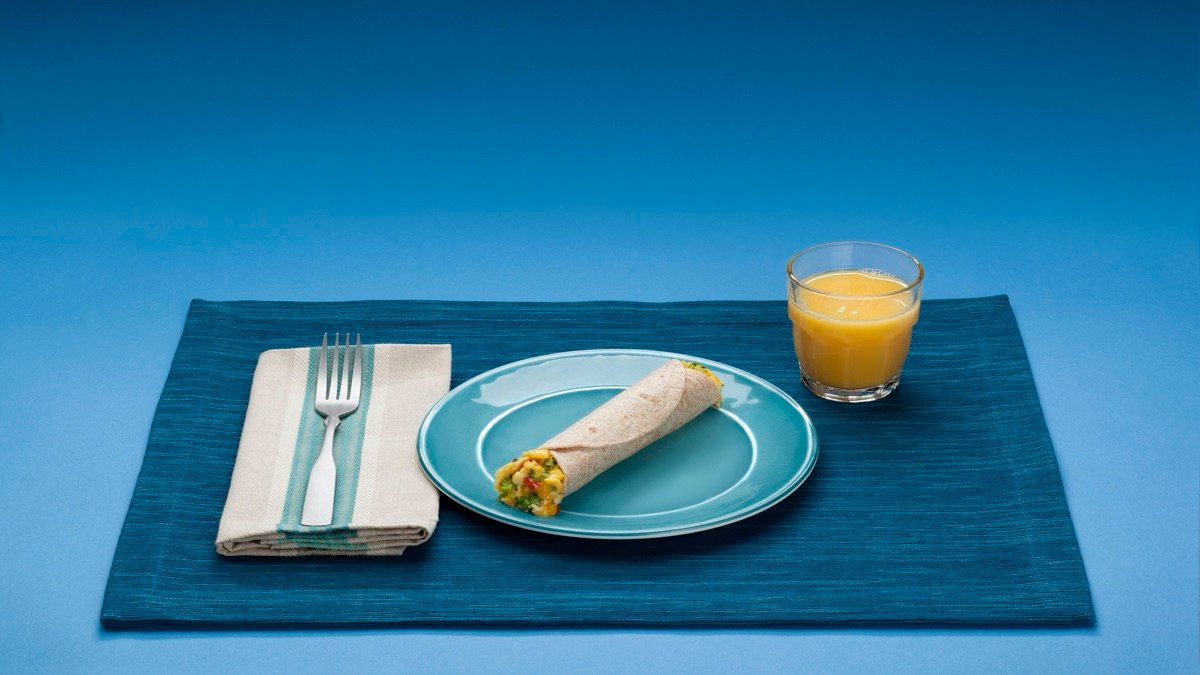
3. Black bean breakfast burrito (about 24 g protein, 410 calories)
Two scrambled eggs supply about half the protein. A medium whole-wheat tortilla, 1/4 cup of canned black beans and 2 tablespoons of shredded cheddar add the rest, with salsa for flavor. Burritos freeze well, so you can make a batch on Sunday. This one is also the saltiest breakfast on the list, at about 980 mg of sodium. The Dietary Guidelines advise most people 14 and older to stay under 2,300 mg a day, so rinsing the beans or choosing a lower-sodium salsa helps.
4. Tofu scramble with black beans (about 24 g protein, 310 calories, vegan)
Crumble 1/2 cup of firm tofu into a hot pan with turmeric, garlic powder and any vegetables you have, then serve with 1/2 cup of black beans and a slice of whole-wheat toast. We used USDA's entry for firm tofu made with nigari, at about 9 g of protein per 100 g. Tofu protein varies a lot with firmness and brand (USDA's firm tofu entries range from about 9 g to 17 g per 100 g), so the label on your block may beat this estimate. For more plant options, see our list of high-protein plant foods.
5. 3-egg scramble on toast (about 23 g protein, 310 calories)
Three eggs give about 18.5 g of protein and a slice of whole-wheat toast adds about 4.5 g. Fold in spinach, peppers or mushrooms for volume. Vegetables add very little protein or calories. A spoonful of cottage cheese stirred into the eggs adds a few more grams.
6. Egg, cheese and turkey sausage English muffin (about 23 g protein, 350 calories)
This is a homemade version of the drive-through sandwich: a whole-wheat English muffin, one egg, a slice of cheddar and a turkey or chicken sausage patty. Each of the four pieces contributes about 5 to 7 g of protein. It runs about 710 mg of sodium, mostly from the sausage, cheese and muffin.
No-cook high-protein breakfasts
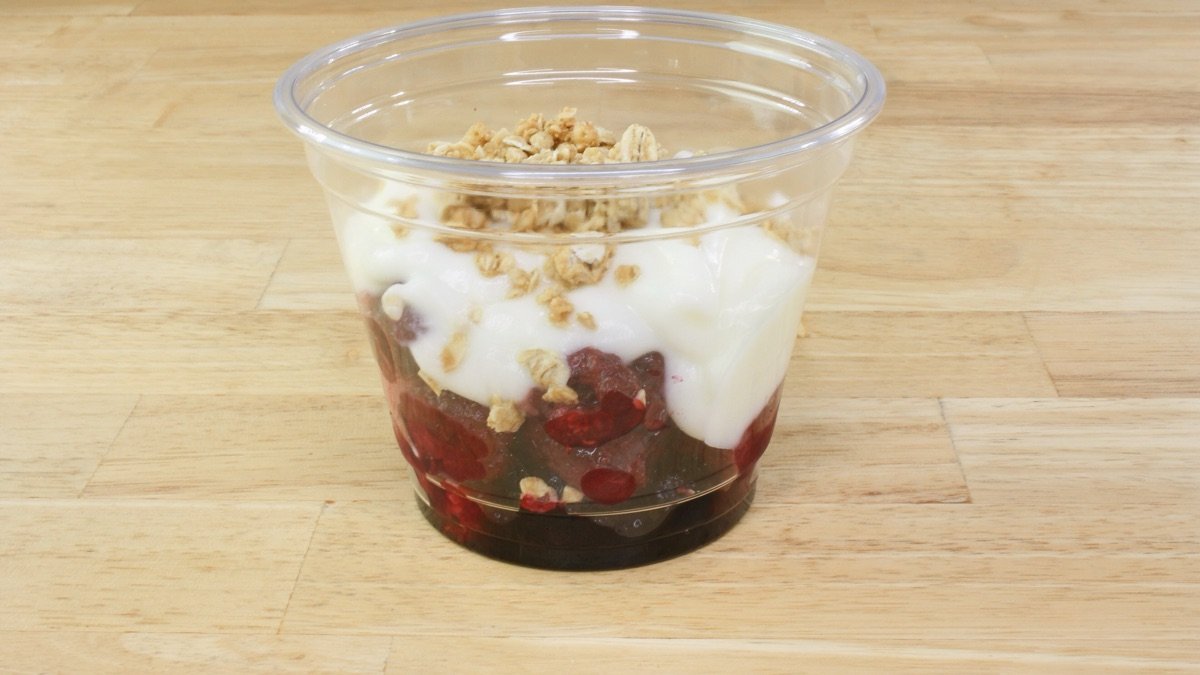
7. Greek yogurt parfait (about 32 g protein, 360 calories)
One cup of plain nonfat Greek yogurt has about 25 g of protein, about the same as a cup of low-fat cottage cheese and more than any other base on this list. Layer it with 1/2 cup of blueberries and top with an ounce of almonds (about 6 g more protein). Plain yogurt plus fruit avoids the added sugar in many flavored cups. Sweeten lightly yourself if needed.
8. Berry protein smoothie (about 30 g protein, 310 calories)
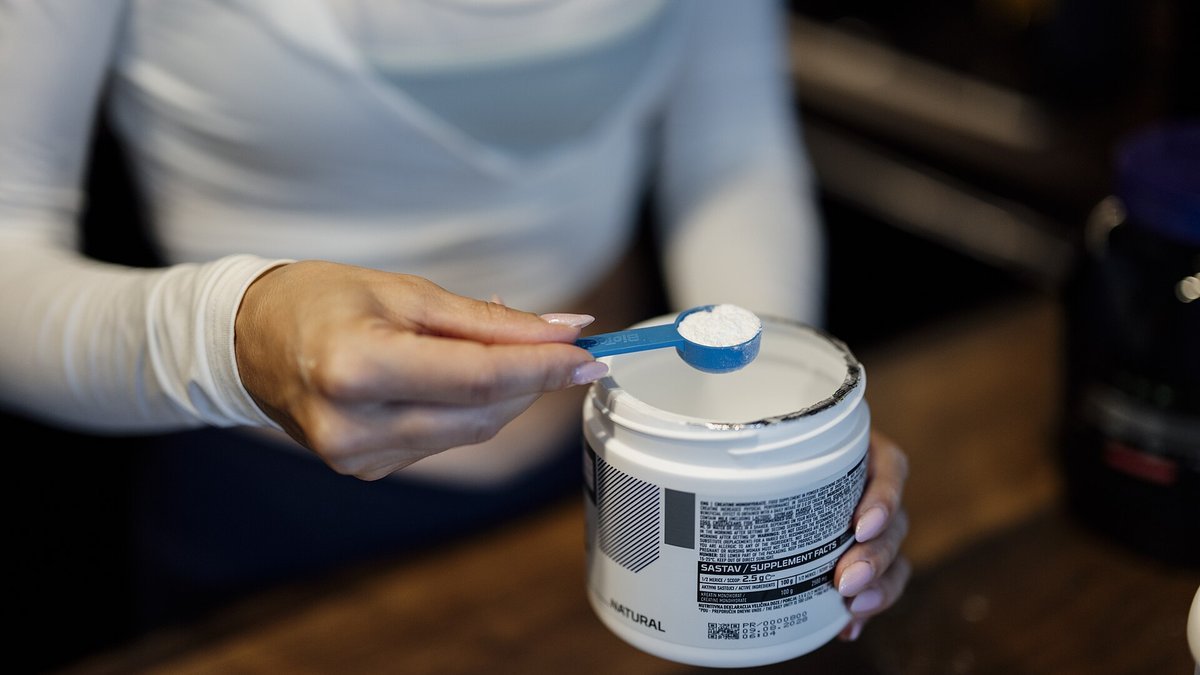
Blend 1 cup of 1% milk, one scoop of whey protein powder, 1 cup of strawberries and half a banana. USDA's generic whey powder entry gives about 20 g of protein for a 26 g scoop, but brands vary, so use the number on your tub. No powder? Blend in 3/4 cup of plain Greek yogurt instead for a similar result. Keep in mind that the FDA does not approve dietary supplements before they're marketed, so the protein figure on the tub is the manufacturer's claim.
9. Cottage cheese and berry bowl (about 26 g protein, 240 calories)
A cup of low-fat cottage cheese provides about 25 g of protein for under 200 calories. Top it with a cup of sliced strawberries, or go savory with tomatoes, cucumber and black pepper. It is high in sodium, though, at about 725 mg per cup in USDA's entry. Low-sodium cottage cheese cuts that to about 30 mg per cup in USDA's data.
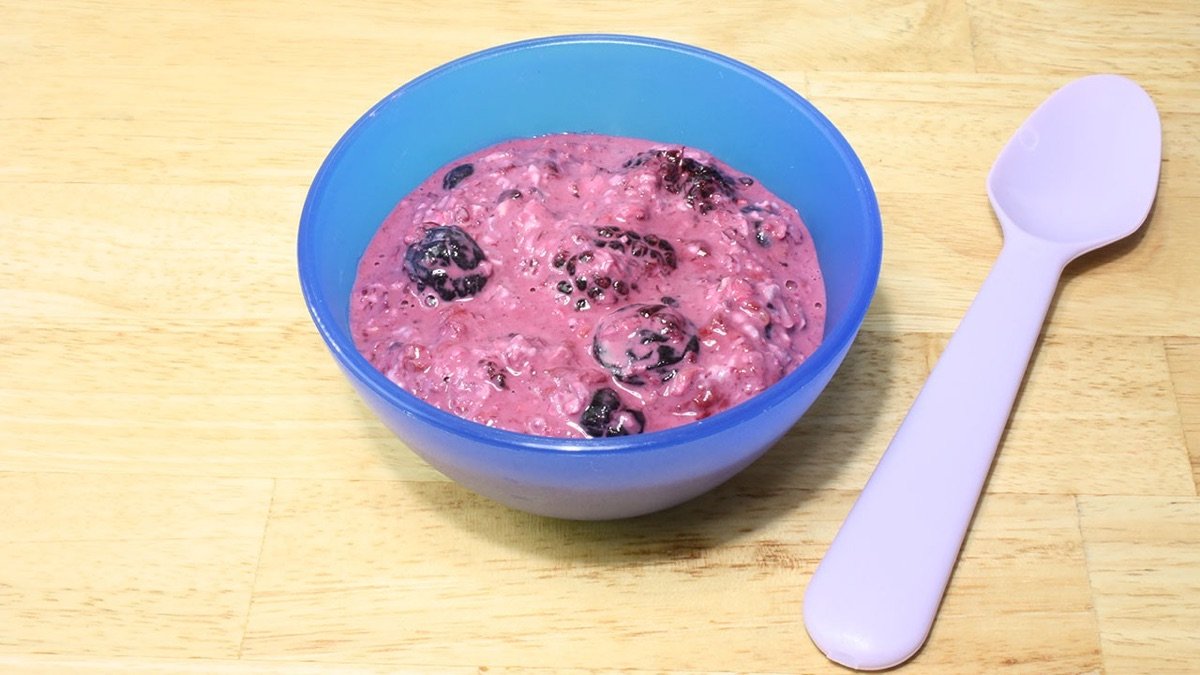
10. Greek yogurt overnight oats (about 25 g protein, 370 calories)
Stir 1/2 cup of rolled oats, 1/2 cup of plain Greek yogurt, 1/2 cup of 1% milk and 1 tablespoon of chia seeds in a jar. Refrigerate overnight and top with raspberries in the morning. The yogurt and milk supply about 17 g of the protein, and the oats add about 5 g.
11. Peanut butter toast and a glass of milk (about 24 g protein, 480 calories)
Two slices of whole-wheat toast with 2 tablespoons of peanut butter give about 16 g of protein, and a cup of milk adds about 8 g. It is the highest-calorie option here because peanut butter is energy-dense. Unsweetened soy milk has about the same protein as dairy milk (about 9 g per cup in USDA's entry), so swapping it in makes this breakfast dairy-free.
12. Smoked salmon bagel (about 22 g protein, 370 calories)
A whole-wheat bagel with a tablespoon of light cream cheese and 2 ounces of smoked salmon. The bagel itself contributes nearly half the protein (about 11 g). Smoked salmon is salty, so this one comes to about 910 mg of sodium. Add sliced tomato, cucumber or capers to taste.
13. Grab-and-go protein box (about 20 g protein, 350 calories)
Two hard-boiled eggs (about 12 g), a part-skim mozzarella string cheese (about 7 g) and a banana. Boil a batch of eggs at the start of the week and keep them refrigerated. This is the box to pack for a commute or an early workout. For timing meals around training, see what to eat before and after a workout.
14. Soy milk chia pudding (about 20 g protein, 390 calories, vegan)
Mix 1 cup of unsweetened soy milk with 3 tablespoons of chia seeds, refrigerate overnight, then top with 2 tablespoons of pumpkin seeds and 1/2 cup of raspberries. Soy milk, chia and pumpkin seeds each add roughly 5 to 9 g of protein. Don't swap in almond or oat milk if protein is the goal: USDA lists them at under 2 g of protein per cup, versus about 9 g for soy milk.
Vegetarian and vegan high-protein breakfasts
Twelve of the 14 breakfasts above are vegetarian (no meat or fish), and three can be fully vegan:
- Vegan: tofu scramble with black beans (24 g), soy milk chia pudding (20 g), and peanut butter toast with soy milk instead of dairy milk (about 25 g and 470 calories).
- Vegetarian, highest protein: Greek yogurt parfait (32 g), berry protein smoothie (30 g), peanut butter protein oatmeal (30 g), egg muffins (29 g) and cottage cheese bowl (26 g).
Plant breakfasts reach 20 g or more by combining two or three protein sources (soy, beans, seeds, whole grains) rather than relying on one.
How much protein should you eat at breakfast?
There is no official breakfast-specific target. What the evidence supports is a daily total, plus a reasonable amount at each meal.
- Daily total. The Recommended Dietary Allowance (RDA) for adults is 0.8 g per kilogram of body weight per day, about 54 g for a 150-lb (68 kg) adult. The Dietary Guidelines for Americans, 2025–2030 set higher "protein serving goals" of 1.2 to 1.6 g/kg per day and say to "prioritize protein foods at every meal." For a 150-lb adult that is about 82 to 109 g a day. The International Society of Sports Nutrition (ISSN) suggests 1.4 to 2.0 g/kg for most people who exercise. Our guide to how much protein you need per day walks through the math by weight and goal.
- Per meal. The ISSN position stand on protein and exercise gives a general recommendation of 0.25 g of high-quality protein per kilogram of body weight per meal, or an absolute dose of 20 to 40 g, ideally spread evenly every 3 to 4 hours. A 2018 review by Schoenfeld and Aragon suggests about 0.4 g/kg per meal across at least four meals for people trying to maximize muscle gain. For a 150-lb adult, that is roughly 17 to 27 g per meal.
| Body weight | 0.25 g/kg per meal (ISSN) | 0.4 g/kg per meal (muscle-gain target) |
|---|---|---|
| 120 lb (54 kg) | 14 g | 22 g |
| 150 lb (68 kg) | 17 g | 27 g |
| 180 lb (82 kg) | 20 g | 33 g |
| 210 lb (95 kg) | 24 g | 38 g |
So 20 to 30 g at breakfast fits these figures for most adults, and the ISSN's range runs up to 40 g. The ISSN notes that the best per-meal amount depends on age and recent resistance exercise, so older adults and people who lift weights may want the upper end of it.
What about the "30 grams of protein at breakfast" rule?
The popular 30 g figure traces back largely to a 2014 study in the Journal of Nutrition by Mamerow and colleagues. In 8 healthy adults, eating about 30 g of protein at each of breakfast, lunch and dinner led to 25% higher 24-hour muscle protein synthesis than eating the same daily protein skewed toward dinner (about 11 g at breakfast and 63 g at dinner). That is a real finding, but it came from a small, short study measuring a lab marker, not long-term muscle or strength.
Later research is more mixed. A 2015 trial in 20 older adults found that total daily protein, not the pattern of intake, drove net protein balance. A 2020 review by Hudson, Bergia and Campbell called the evidence for an "optimal" protein distribution "limited and inconsistent." It said the effect of distribution can't be separated from the effect of total quantity. The authors noted that spreading protein out may help people who eat too little overall to get more. And the idea that the body can't use more than 25 to 30 g at once has been challenged: in a 2023 trial in 36 young men after exercise, 100 g of protein produced a larger and longer-lasting muscle-building response than 25 g.
The practical takeaway: aiming for 20 to 30 g at breakfast is a good habit, especially if breakfast is currently your lowest-protein meal. But hitting exactly 30 g isn't a requirement, and your total daily intake matters more than the clock.
Who should check with a clinician first
These breakfasts suit most healthy adults. If you have chronic kidney disease, the National Institute of Diabetes and Digestive and Kidney Diseases (NIDDK) notes that some people with CKD may need to eat moderate amounts of protein. Work with your doctor or a registered dietitian before raising your intake. The same applies if you're on a medically supervised diet, are pregnant, or take GLP-1 medicines. For the GLP-1 case, see our guide to protecting muscle on Wegovy or Zepbound. Food allergies (milk, egg, soy, peanut, tree nuts, fish, wheat, sesame) will also rule out some of these options.
FAQ
What is the highest-protein breakfast that doesn't need cooking?
On this list, a Greek yogurt parfait (about 32 g) and a whey protein smoothie (about 30 g). A cup of low-fat cottage cheese with fruit (about 26 g) is close behind and the lowest in calories, at about 240.
Is 20 grams of protein enough for breakfast?
For many adults, yes. The ISSN's general guidance is 0.25 g/kg per meal or 20 to 40 g, and 0.25 g/kg is about 17 g for a 150-lb person. Larger or very active people, and those trying to build muscle, may want 25 to 40 g.
How can I get 30 grams of protein at breakfast without protein powder?
Combine two dairy or egg sources. Oatmeal cooked with milk plus Greek yogurt and peanut butter reaches about 30 g. One cup of Greek yogurt with almonds reaches about 32 g, and three egg muffins about 29 g.
Do eggs or Greek yogurt have more protein?
Per typical serving, Greek yogurt does: a cup of plain nonfat Greek yogurt has about 25 g, while one egg (50 g in USDA's data) has about 6 g. You'd need about four eggs to match a cup of Greek yogurt.
This article is general information, not medical or dietary advice. Nutrient values are approximate estimates from USDA data and will differ from specific products. If you have a medical condition, talk to a doctor or registered dietitian about your protein needs.
Sources
- USDA FoodData Central: Survey (FNDDS) foods, release October 31, 2024. FDC IDs: scrambled egg, no added fat 2707205; egg, boiled 2707154; egg, fried, no added fat 2707156; egg scrambled with cheese and vegetables 2707251; Greek yogurt, nonfat, plain 2705424; Greek yogurt, whole milk, plain 2705422; cottage cheese, low fat 2705756; milk, 1% 2705387; soy milk, unsweetened 2705405; oatmeal made with milk 2708383; oatmeal made with water 2708381; oats, raw 2708489; whole-wheat bread, toasted 2707710; whole-wheat English muffin 2707741; whole-wheat tortilla 2707825; whole-wheat bagel 2707733; peanut butter 2707537; almonds, unsalted 2707489; chia seeds 2707590; pumpkin seeds, unsalted 2707581; black beans, canned 2707363; cheddar 2705709; mozzarella, part skim 2705723; light cream cheese 2705762; turkey or chicken sausage 2706200; smoked salmon 2706292; salsa, red 2709738; whey-based powder mix 2710742; blueberries 2709275; strawberries 2709283; raspberries 2709281; banana 2709224; olive oil 2710186; cottage cheese, low fat, low sodium 2705758; almond milk, unsweetened 2705409; oat milk 2705412. SR Legacy: tofu, firm, nigari 172448; tofu, raw, firm, calcium sulfate 172475.
- USDA and HHS: Dietary Guidelines for Americans, 2025–2030.
- Jäger R, Kerksick CM, Campbell BI, et al. International Society of Sports Nutrition Position Stand: protein and exercise, Journal of the International Society of Sports Nutrition 2017;14:20 (full text).
- Schoenfeld BJ, Aragon AA. How much protein can the body use in a single meal for muscle-building? Implications for daily protein distribution, Journal of the International Society of Sports Nutrition 2018;15:10.
- Mamerow MM, Mettler JA, English KL, et al. Dietary protein distribution positively influences 24-h muscle protein synthesis in healthy adults, Journal of Nutrition 2014;144(6):876–880.
- Kim IY, Schutzler S, Schrader A, et al. Quantity of dietary protein intake, but not pattern of intake, affects net protein balance primarily through differences in protein synthesis in older adults, American Journal of Physiology: Endocrinology and Metabolism 2015;308(1):E21–E28.
- Hudson JL, Bergia RE, Campbell WW. Protein Distribution and Muscle-Related Outcomes: Does the Evidence Support the Concept? Nutrients 2020;12(5):1441.
- Trommelen J, van Lieshout GAA, Nyakayiru J, et al. The anabolic response to protein ingestion during recovery from exercise has no upper limit in magnitude and duration in vivo in humans, Cell Reports Medicine 2023;4(12):101324.
- NIDDK: Eating Right for Chronic Kidney Disease.
- FDA: Questions and Answers on Dietary Supplements.
- Banner photo: Breakfast meal - MyPlate 20210810-FNS-UNC-0018.jpg by the U.S. Department of Agriculture, public domain, via Wikimedia Commons (cropped).
- Photo: Child Care Recipes (Team Nutiriton) (20211231-FNS-UNC-0031).jpg by USDA, public domain, via Wikimedia Commons (cropped).
- Photo: Child Care Recipes (Team Nutiriton) (20230123-FNS-UNK-018).jpg by USDA, public domain, via Wikimedia Commons (cropped).