

A cold plunge after a workout can make your muscles feel less sore the next day, but if your main goal is building muscle, a regular ice bath straight after lifting is a poor fit. Pooled studies show modest drops in soreness and slightly faster recovery of power after hard sessions. Training studies show that cold-water immersion within a few minutes of strength training, repeated for weeks, tends to blunt muscle growth and, in some trials, strength gains. Use it when you need to feel ready again soon, such as during a tournament or a block of hard conditioning. Skip it after the lifting sessions you are counting on for size and strength.
This guide explains what the research found, what water temperatures and times the studies actually used, who should check with a clinician before trying it, and how it differs from using a sauna after training.
Cold plunge after a workout: the short answer
- For soreness: cold-water immersion beats sitting and resting by a small to moderate margin, mainly 24 hours after high-intensity exercise.
- For performance the next day: it helps muscle power recover a little. In one large review it did not speed up the recovery of strength.
- For muscle growth: regular plunges right after strength training tend to reduce the gains. Researchers who pooled these trials advise people chasing hypertrophy to avoid it straight after lifting.
- For endurance fitness: regular use did not appear to harm aerobic performance in the one meta-analysis that looked.
- Typical study dose: about 10 to 15°C (50 to 59°F) for about 10 to 15 minutes. That is cool water, not water full of floating ice.
What the evidence says about soreness and recovery
A "cold plunge," "ice bath" and "cold-water immersion" all describe the same thing in the research: sitting in cold water for a set time soon after exercise. Most trials compare it with passive recovery, which means resting at room temperature.
The largest review: modest benefits after hard sessions
A 2022 meta-analysis in Sports Medicine pooled 52 studies in physically active people and compared cold-water immersion with passive recovery after a single hard session (Moore and colleagues, 2022). The authors split the studies into two types of exercise: eccentric work designed to cause muscle damage, such as heavy lowering movements, and high-intensity exercise such as sprints, intervals or team-sport sessions.
- After high-intensity exercise, the cold water reduced muscle soreness 24 hours later and improved how recovered people said they felt.
- It also improved the recovery of muscular power at 24 hours after both types of exercise, though the effect was small.
- It lowered blood creatine kinase, a marker of muscle damage, 24 hours after high-intensity exercise.
- It made no significant difference to the recovery of strength after either type of exercise. The authors note that most of the strength studies used only isometric tests, so this result is not the final word.
The authors concluded that cold-water immersion was an effective recovery tool after high-intensity exercise, while after eccentric exercise its benefit was limited to muscle power at 24 hours.
Earlier review: "slightly better" than resting
A 2016 meta-analysis of nine randomized trials found cold-water immersion "can be slightly better than passive recovery" for managing muscle soreness, both immediately and in the following days (Machado and colleagues, 2016). The authors rated the included studies as low quality on average and called for better trials.
So the honest summary is this: cold water reliably makes people feel a bit less sore, and helps power bounce back a little faster after hard sessions. It does not repair muscle on its own, and soreness on its own is not a reliable guide to whether you are ready to train again. Our guide to working out when you are sore covers how to judge that.
Does a cold plunge after lifting reduce muscle growth?
Yes, on current evidence it probably does if you do it regularly, right after strength training. This is the most important finding for anyone who lifts to build muscle.
The 2015 study that changed the advice
In a study published in The Journal of Physiology, 21 physically active men did leg-focused strength training twice a week for 12 weeks (Roberts and colleagues, 2015). After every session, they either sat in an inflatable bath with both legs immersed up to the waist in water kept at about 10°C (50°F) for 10 minutes, starting within 5 minutes of finishing, or rode an exercise bike at an easy pace for 10 minutes.
- Strength and muscle mass increased more in the active-recovery group than in the cold-water group.
- Measured by MRI, quadriceps muscle mass rose by about 309 grams in the active-recovery group and by about 103 grams in the cold-water group.
- Type II muscle fiber size (17%) and the number of nuclei per muscle fiber (26%) increased only in the active-recovery group.
A second experiment in the same paper took muscle biopsies after single sessions. Cold water dampened the activity of satellite cells (muscle stem cells) and of a signaling protein linked to muscle growth for up to two days. The authors wrote that people who use strength training for performance, injury recovery or health "should therefore reconsider" using cold-water immersion alongside it. Their full text is freely available on PubMed Central.
Later studies and meta-analyses
- Fiber growth blunted, strength not always: in a 2019 trial, 16 men did whole-body strength training three times a week for seven weeks, followed by 15 minutes in water at 10°C (50°F) or at 23°C (73°F). Leg press gains were similar in both groups, but growth of type II muscle fibers was smaller with cold water. The authors concluded that post-exercise cold-water immersion "should therefore be avoided if muscle hypertrophy is desired" (Fyfe and colleagues, 2019).
- Strength gains reduced on average: a 2021 meta-analysis of eight controlled studies found that regular cold-water immersion at 15°C (59°F) or colder had a harmful effect on gains in one-rep max, isometric strength and strength endurance. It did not appear to affect aerobic performance such as time trials or maximal aerobic power (Malta and colleagues, 2021).
- Muscle growth reduced, but by a small amount: a 2024 meta-analysis pooled eight trials of post-exercise cold-water immersion with resistance training. Muscle still grew with cold water, but less than with training alone. The authors advised that people "seeking to maximize muscle hypertrophy should avoid using CWI immediately following bouts of RT" (resistance training). They also rated the studies as fair to poor quality, noted that most lasted only 4 to 8 weeks, and that only one included women (Piñero and colleagues, 2024).
Two caveats matter. First, nearly all participants were young men, and none of the trials included older adults, so we do not know how these results apply to them. Second, the 2024 authors note that their findings apply only to cold-water immersion within 15 minutes of finishing exercise. Nobody has shown whether waiting several hours, or plunging on rest days, avoids the effect. If you love your morning plunge and lift in the evening, the research simply has not tested that pattern.
If muscle and strength are the goal, the basics still matter more than any recovery tool: enough training volume, enough protein for your body weight, and sleep. Our minimum effective strength training guide shows how little you need to start.
What temperature and how long? What the studies used
No US health agency sets a recommended temperature or time for cold plunges. The numbers below come from the research protocols, which were done in healthy, active adults, usually young men, under supervision.
| Study | What it looked at | Water temperature | Time in water |
|---|---|---|---|
| Machado and colleagues, 2016 (meta-analysis, 9 trials) | Soreness after one session | Best results at 11–15°C (52–59°F) | Best results at 11–15 min |
| Moore and colleagues, 2022 (meta-analysis, 52 studies) | Recovery after one hard session | Varied; colder water linked to larger drops in creatine kinase | Varied; shorter immersions linked to larger drops in creatine kinase |
| Roberts and colleagues, 2015 (12-week trial) | Strength and muscle gains | About 10°C (50°F), legs immersed up to the waist | 10 min, within 5 min of training |
| Fyfe and colleagues, 2019 (7-week trial) | Strength and muscle gains | 10°C (50°F) | 15 min |
| Piñero and colleagues, 2024 (meta-analysis, 8 trials) | Muscle growth | 10°C in six trials; 14–15°C in two | 10–20 min |
The 2016 review concluded that water at 11 to 15°C (52 to 59°F) for 11 to 15 minutes "can provide the best results" for soreness. The 2022 review cautions that this rested on small subgroup analyses. Its own meta-regression found that shorter immersions and colder water were linked to the largest drops in creatine kinase after high-intensity exercise. That does not mean colder is better for you: colder water also brings a stronger cold-shock response (see the safety section below).
A few practical points follow from the research:
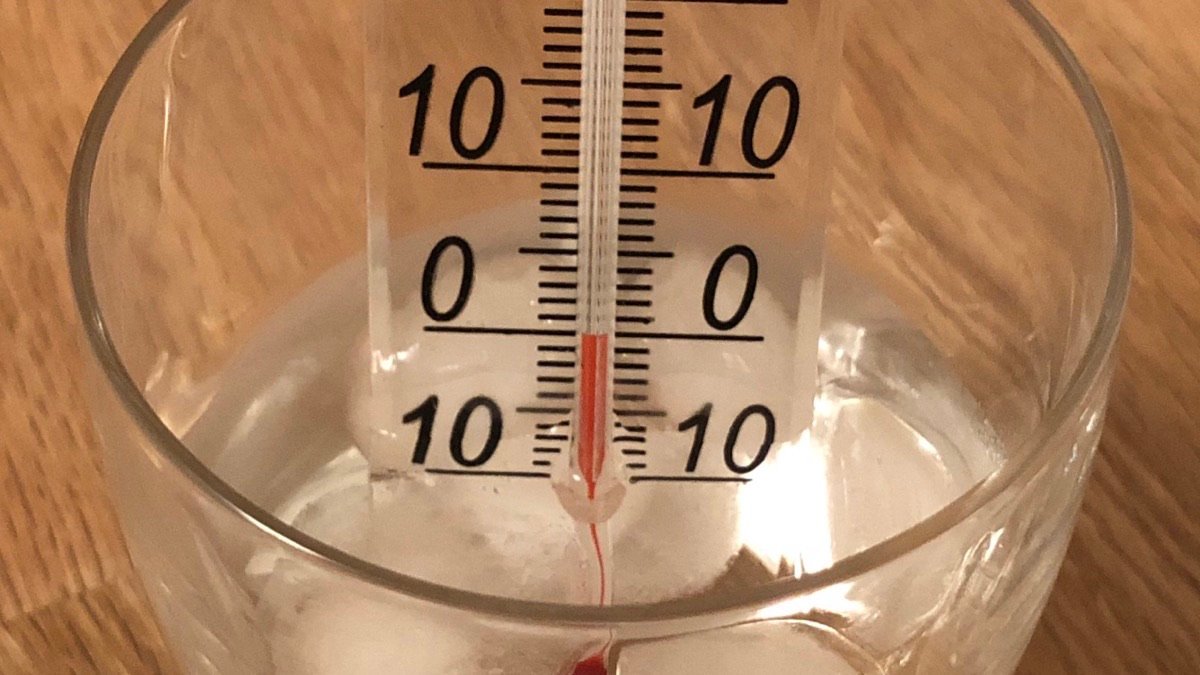
- Use a thermometer. Ice water sits around 0°C (32°F), far colder than the 10 to 15°C used in most studies. Adding ice until the water is merely cold is closer to the evidence than packing a tub with ice.
- Short is enough. Study sessions were mostly 10 to 15 minutes. There is no evidence that staying in longer gives more benefit.
- Keep your face out. In the 2015 lifting trial, participants were immersed up to the waist. Cold water on the face combined with breath-holding is a known trigger of heart rhythm disturbances (see the safety section).
- Match it to the session. The benefits showed up mainly after high-intensity and damaging exercise, not routine easy workouts.
When to use a cold plunge and when to skip it
| Situation | Reasonable choice | Why |
|---|---|---|
| Strength or muscle-building session | Skip it right after | Regular use within minutes of lifting reduced muscle growth and, in some trials, strength gains |
| Tournament, two games in two days, or two-a-day training | Reasonable option | Reduced soreness and faster power recovery at 24 hours after hard sessions |
| Hard intervals, sprints or a race | Optional | Soreness and perceived recovery improved after high-intensity exercise |
| Endurance training block (running, cycling) | Optional | Regular use did not appear to harm aerobic performance in the one meta-analysis that checked |
| Easy session or rest day | Not needed | Little muscle damage to recover from; no evidence of extra benefit |
| Heart condition, Raynaud's, or other conditions listed below | Check with a clinician first | Cold shock strains the heart and cold is the main trigger for Raynaud's attacks |
If you train both strength and conditioning, a simple rule is to keep cold plunges away from your key lifting days and use them, if at all, after the conditioning sessions or competitions where feeling fresh the next day matters more than long-term muscle gain.
Cold plunge vs sauna after a workout
People often ask about the two together, but they answer different questions. Our guide to using a sauna after a workout covers heat: the long-term Finnish population studies, blood pressure, endurance and heat safety. The recovery evidence for sauna is thin, coming mostly from a few small infrared-sauna trials.
Cold water has the opposite profile. It has a much larger body of short-term recovery trials showing less soreness after hard sessions, but it also has a specific downside that heat has not been shown to have: blunted muscle growth when used regularly after lifting. Neither is essential for recovery. Sleep, food and sensible training loads do more of the work; see our guide to eating before and after a workout.
Cold plunge safety: who should be careful
Sudden immersion in cold water triggers the "cold shock" response: a gasp, uncontrollable rapid breathing and a sharp rise in heart rate driven by the sympathetic nervous system (Shattock and Tipton, 2012).
The same researchers describe "autonomic conflict": when cold shock and the diving reflex (set off by cold water on the face and by breath-holding) push the heart in opposite directions at once. In studies of young, fit, healthy volunteers, cold-water submersion with breath-holding produced heart rhythm disturbances in 62 to 82% of participants. The authors suggest this conflict may explain some sudden deaths in cold water in vulnerable people, including those with inherited long QT syndrome, QT-prolonging medicines or coronary artery disease. A 2017 review of cold-water immersion as both hazard and treatment concluded that some of the claimed benefits "remain at the level of anecdotal speculation" (Tipton and colleagues, 2017).
Check with a clinician before cold plunging if you have:
- Heart disease or a heart rhythm problem, including coronary artery disease, a past heart attack, long QT syndrome or another arrhythmia, or if you take medicines that affect heart rhythm.
- High blood pressure that is not well controlled, given the sudden rise in heart rate and the strain of cold shock.
- Raynaud's phenomenon. The US National Institute of Arthritis and Musculoskeletal and Skin Diseases says "exposure to cold temperatures is the most common trigger" for attacks, in which blood vessels in the fingers and toes narrow, turning them white, then blue and numb (NIAMS).
- Pregnancy, diabetes with nerve or circulation problems, or any condition that affects how you sense or respond to cold.
Common-sense precautions for everyone
- Enter slowly, keep your face out of the water and breathe steadily rather than holding your breath.
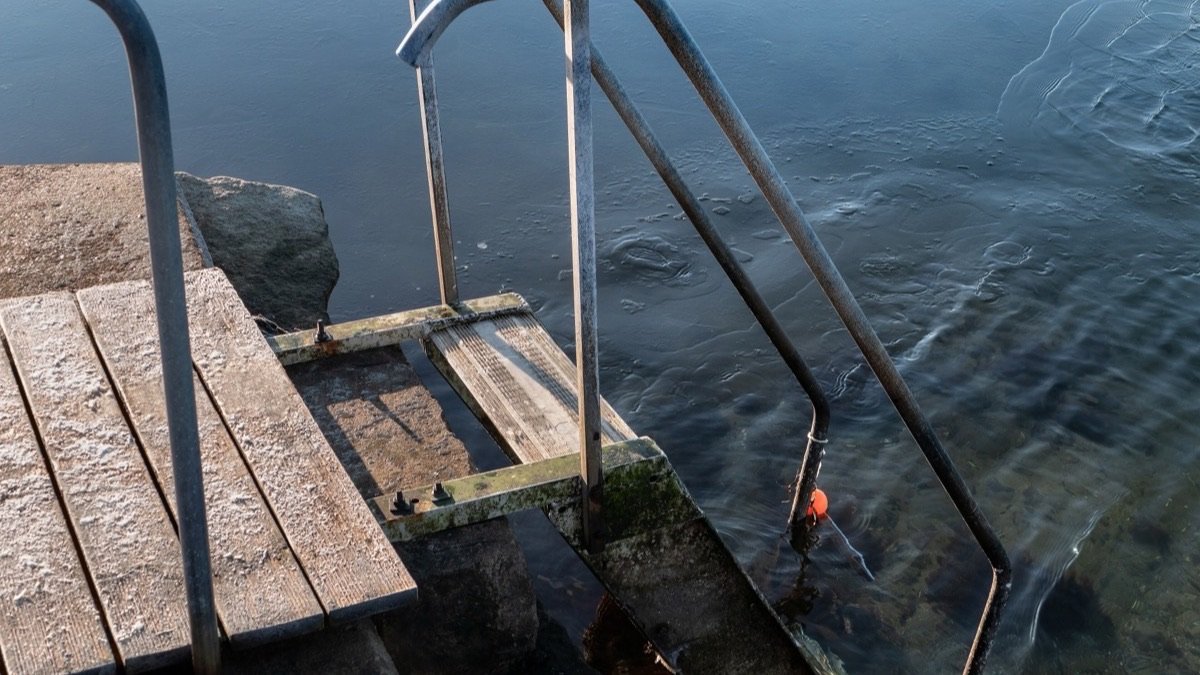
- Don't plunge alone, especially in open water such as a lake or the sea, where the gasp reflex can lead to inhaling water.
- Get out if you feel faint, confused, short of breath or have chest pain, and seek medical help if symptoms continue.
- Start warmer and shorter than the study protocols and work toward them, rather than starting with ice water.
Frequently asked questions
How long should I stay in a cold plunge after a workout?
Most studies used about 10 to 15 minutes at 10 to 15°C (50 to 59°F). One 2016 review found 11 to 15 minutes in 11 to 15°C water worked best for soreness. There is no evidence that longer is better, and colder water increases the cold-shock response. Beginners can start with a few minutes in less cold water.
Should I take an ice bath after lifting weights?
Not if building muscle or strength is your main goal. Trials and meta-analyses show that regular cold-water immersion within minutes of strength training tends to reduce muscle growth, and in some studies strength gains. An occasional plunge after a lifting session is unlikely to matter much, but making it a habit after every session works against the training.
How long should I wait after lifting before a cold plunge?
Nobody knows yet. The trials that showed blunted gains started immersion within about 5 to 15 minutes of finishing. Whether waiting several hours, or plunging on non-lifting days, avoids the effect has not been tested.
Is a cold shower as good as an ice bath?
The studies above tested immersion, sitting in cold water, not cold showers. Their results can't be assumed to apply to showers.
Does a cold plunge burn fat or boost immunity?
The recovery trials discussed here did not measure fat loss or infections, so they do not support those claims. A 2017 review of the wider cold-water research noted that some claimed benefits rest on weak evidence.
This article is general information, not medical advice. It isn't a substitute for advice from a doctor or other qualified health professional, especially if you have a heart condition, Raynaud's phenomenon, high blood pressure or are pregnant.
Sources
- Moore E, Fuller JT, Buckley JD, et al. Impact of Cold-Water Immersion Compared with Passive Recovery Following a Single Bout of Strenuous Exercise on Athletic Performance in Physically Active Participants: A Systematic Review with Meta-analysis and Meta-regression, Sports Medicine 2022;52(7):1667–1688 (full text).
- Machado AF, Ferreira PH, Micheletti JK, et al. Can Water Temperature and Immersion Time Influence the Effect of Cold Water Immersion on Muscle Soreness? A Systematic Review and Meta-Analysis, Sports Medicine 2016 (full text).
- Roberts LA, Raastad T, Markworth JF, et al. Post-exercise cold water immersion attenuates acute anabolic signalling and long-term adaptations in muscle to strength training, The Journal of Physiology 2015;593:4285–4301 (full text).
- Fyfe JJ, Broatch JR, Trewin AJ, et al. Cold water immersion attenuates anabolic signaling and skeletal muscle fiber hypertrophy, but not strength gain, following whole-body resistance training, Journal of Applied Physiology 2019.
- Malta ES, Dutra YM, Broatch JR, Bishop DJ, Zagatto AM. The Effects of Regular Cold-Water Immersion Use on Training-Induced Changes in Strength and Endurance Performance: A Systematic Review with Meta-Analysis, Sports Medicine 2021.
- Piñero A, Burke R, Augustin F, et al. Throwing cold water on muscle growth: A systematic review with meta-analysis of the effects of postexercise cold water immersion on resistance training-induced hypertrophy, European Journal of Sport Science 2024;24(2):177–189.
- Shattock MJ, Tipton MJ. 'Autonomic conflict': a different way to die during cold water immersion?, The Journal of Physiology 2012;590(14):3219–3230.
- Tipton MJ, Collier N, Massey H, et al. Cold water immersion: kill or cure?, Experimental Physiology 2017.
- National Institute of Arthritis and Musculoskeletal and Skin Diseases: Raynaud's Phenomenon.
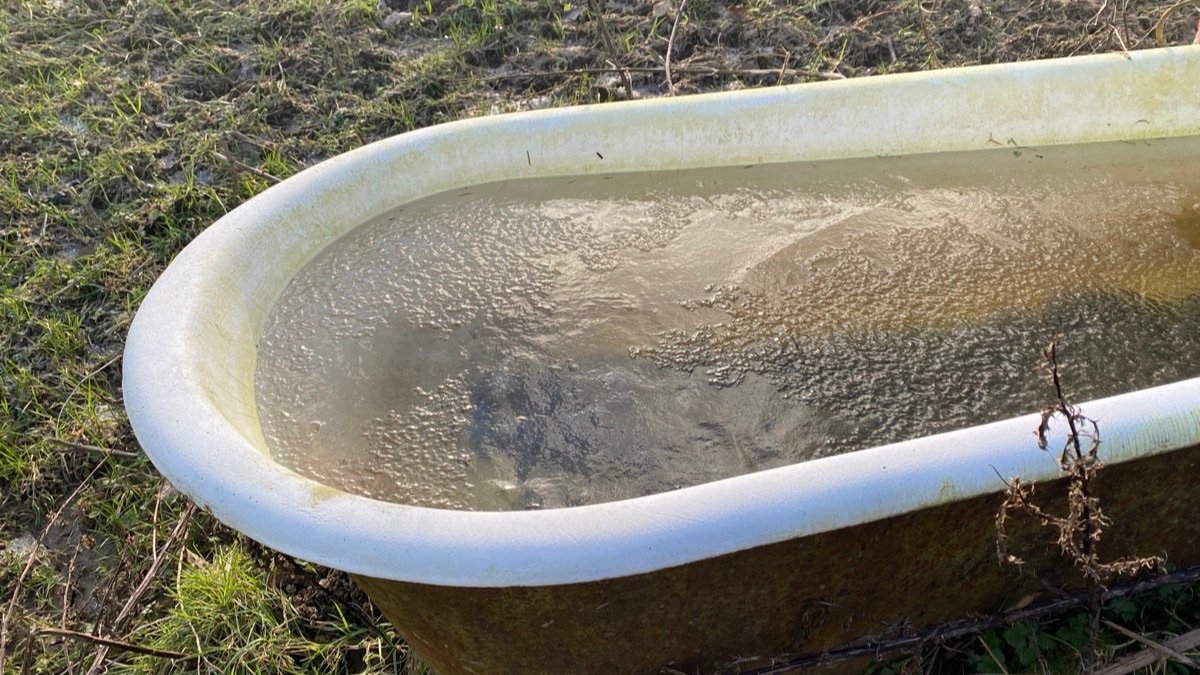
- Banner photo: Ice bath - geograph.org.uk - 7686448.jpg by Alan Hughes, CC BY-SA 2.0, via Wikimedia Commons (cropped).
- Photo: Melting ice thermometer.jpg by Ulflund, CC0, via Wikimedia Commons (cropped).
- Photo: Bathing ladder with thermometer in Govik 2.jpg by W.carter, CC BY-SA 4.0, via Wikimedia Commons (cropped).