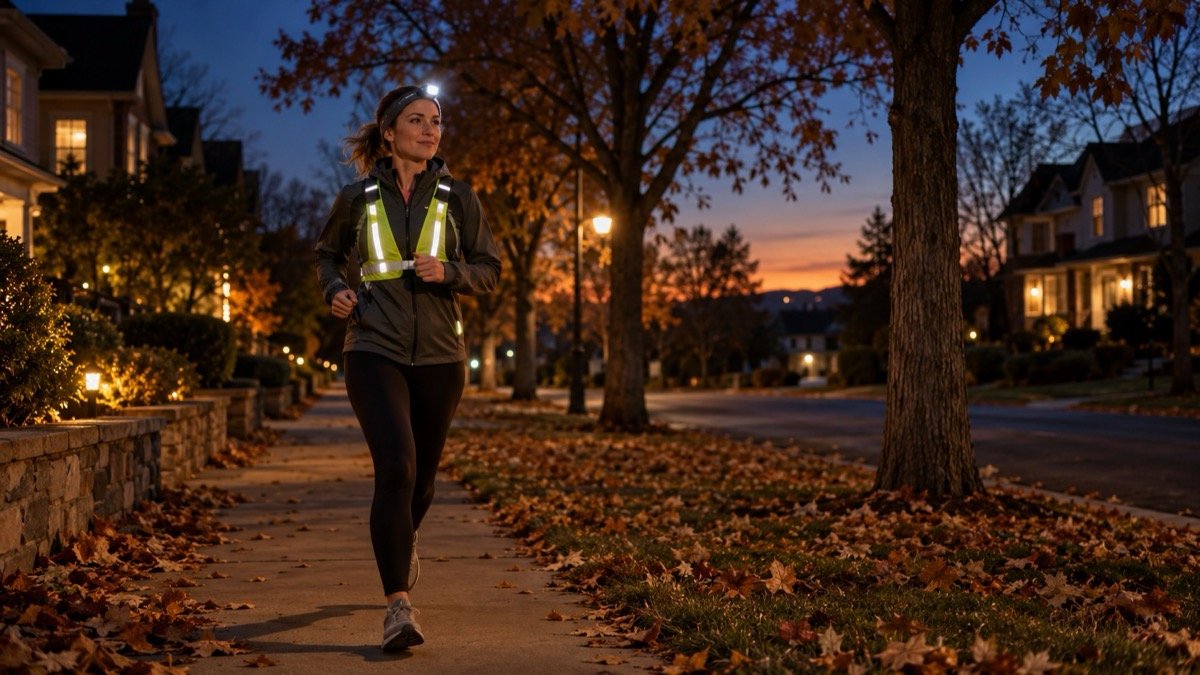


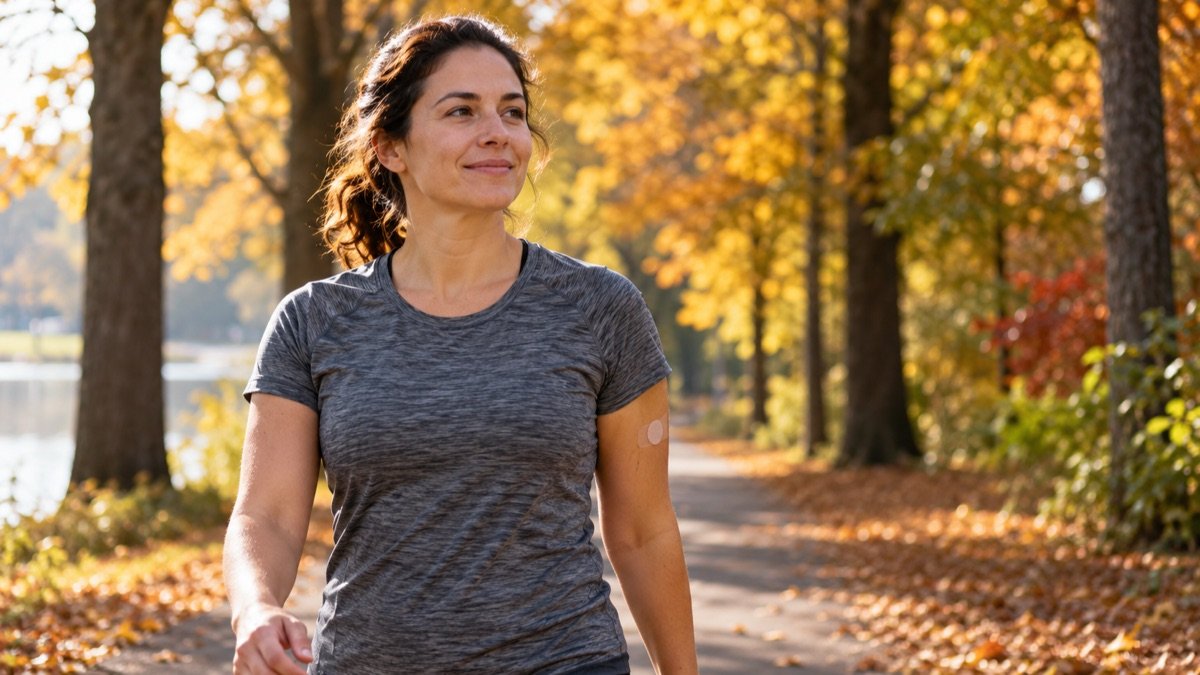
Yes. For most healthy adults, light to moderate exercise after a flu shot or a COVID-19 vaccine is fine. We found nothing in current CDC or FDA guidance that tells healthy people to avoid exercise after either shot. The CDC's own tips for a sore arm after a COVID-19 vaccine include "Use or keep moving your arm." Let how you feel decide. A walk, an easy jog, a bike ride or a lighter lifting session is usually reasonable. If you have a fever, chills or body aches, take a rest day.
What side effects to expect after your shot
The CDC says most side effects after a flu shot "are mild and disappear on their own in a few days without treatment." After a COVID-19 vaccine, it says side effects "generally go away in a few days and tend to be mild and temporary." The most common are a sore, red or swollen arm where the shot went in, tiredness, headache, muscle aches, chills and fever.
The FDA prescribing information for each vaccine gives numbers from its clinical trials. The table uses two examples: Fluzone, a standard-dose flu shot (2026–2027 formula label, revised July 2026), and Comirnaty, the Pfizer-BioNTech COVID-19 vaccine (2026–2027 formula label, revised August 2026).
| Reaction | Fluzone, adults 18–64 | Fluzone, adults 65+ | Comirnaty, ages 12+ (highest rate reported) |
|---|---|---|---|
| Pain where the shot was given | 53.7% | 24.3% | up to 90.5% |
| Tiredness or malaise | 22.2% (malaise) | 14.0% (malaise) | up to 77.5% (fatigue) |
| Headache | 30.3% | 14.4% | up to 75.5% |
| Muscle aches | 30.8% | 18.3% | up to 45.5% |
| Chills or shivering | 6.2% (shivering) | not listed | up to 49.2% |
| Fever | 2.6% | 2.3% | up to 24.3% |
Treat this as a rough guide, not a ranking: the labels say rates from different vaccines' trials "cannot be directly compared." The Fluzone figures come from older trials of earlier formulas (fever counted from 99.5°F), and the Comirnaty "up to" figures are the highest rates across its trial groups and doses.
Most reactions are brief and mild. In the Fluzone trial of adults 65 and older, reactions usually started within the first 3 days and most resolved within 3 days. In Comirnaty's original adult trial, arm pain after the second dose lasted about 2.5 days on average. In the Fluzone trial of adults 18 to 64, only 0.8% reported arm pain bad enough to stop their usual activities.
Working out with a sore arm
A sore arm is the most likely side effect and the easiest to work around:
- Keep the arm moving. For a sore arm after a COVID-19 vaccine, the CDC suggests a clean, cool, wet washcloth on the area and normal use of the arm.
- Change the session, don't cancel it. For a day or two, overhead presses, push-ups or bench presses may hurt on the side you got the shot. Train legs, do cardio or use lighter weights for upper-body work. If a movement hurts at the injection site, drop it for now.
- It isn't gym soreness. Vaccine arm pain is a reaction at the injection site, not the muscle soreness covered in our guide to working out when you're sore.
The CDC says to call a doctor or healthcare provider if redness or tenderness where you got the shot gets worse after 24 hours, or if side effects worry you or don't seem to be going away after a few days.
If you have a fever, chills or fatigue
Whole-body reactions such as fever, chills, widespread aches and heavy tiredness are a sign to rest; they usually pass within a few days. After a COVID-19 vaccine the CDC says, "If possible, get some rest," and for a fever suggests plenty of fluids and comfortable clothes. Cleveland Clinic sports medicine physician Dr. Heather Rainey says a fever means "something a little bit more serious is going on," and adding exercise raises concerns about dehydration and controlling body temperature.
If you feel tired but not ill, an easy walk at a conversational pace is a reasonable middle ground; the talk test in our Zone 2 cardio guide is a simple check. Save intervals, heavy lifting and long runs until you feel normal again, and try to get a good night's sleep.
Don't take ibuprofen, aspirin or acetaminophen before your appointment to head off side effects; the CDC says this is "not recommended." Ask your doctor or pharmacist about pain relievers after the shot.
Should you work out before or after the shot?
Either is fine; no official guidance sets a required gap between exercise and vaccination. Some practical points:
- A normal workout before your appointment is OK. In the studies below, people exercised right before vaccination, or 6 hours before, and none of those trials found a lower antibody response.
- Plan around the next few days. Reactions usually start within the first few days. If you have a race or a key training session coming up, pick a vaccine day when an easy day afterward won't matter.
- Don't go straight from the chair to a hard session if you feel lightheaded. Both labels note that fainting can happen with injected vaccines. If you feel dizzy, sit down and tell the staff.
- Getting both shots at once. The CDC says a COVID-19 vaccine can be given at the same visit as a flu vaccine. If you get one in each arm, plan a leg or cardio day.
Does exercise make your vaccine work better? What the research shows
Researchers have tested whether a single exercise session around vaccination raises the antibody response. The results are mixed, and the studies are small.
| Study | Who | Exercise | Finding |
|---|---|---|---|
| Edwards et al., 2007 | 60 young adults, flu shot | Eccentric (muscle-lengthening) arm exercise 6 hours before | Higher antibodies in women; stronger cell-mediated response in men |
| Long et al., 2012 | 120 adults (young and middle-aged), half-dose flu shot and pneumococcal shot | 45-minute brisk walk before | No effect on antibody response |
| Ranadive et al., 2014 | 59 adults aged 55–75, flu shot | Moderate aerobic exercise just before | No difference overall or in seroprotection; women who exercised responded more strongly than men to one strain |
| Elzayat et al., 2021 | 29 adults, average age about 74, flu shot | Eccentric arm exercise just before | No effect on antibody or T-cell response |
| Hallam et al., 2022 | Adults who already exercised regularly; 16–28 analyzed per experiment; flu shots and the first Pfizer-BioNTech COVID-19 dose | 90 minutes of light-to-moderate cycling or walking/jogging after the shot | Higher antibody levels at 4 weeks. 45 minutes made no difference for flu. No increase in COVID-19 vaccine side effects |
The Hallam study is the one usually cited for "work out after your shot." It was randomized, but its authors note the small samples and that they measured antibody levels, not protection from infection. Participants were already regular exercisers, and the boost appeared only after 90 minutes.
The evidence for regular activity is more consistent, though the effects are modest:
- In a 10-month randomized trial of 144 sedentary older adults, moderate cardio training did not raise peak antibody levels after a flu shot. It did keep more people seroprotected 24 weeks after vaccination than flexibility and balance training did (Woods et al., 2009).
- A 2021 meta-analysis found higher antibody levels after vaccination when people added a physical activity program. The effect was small: a standardized mean difference of 0.14 across 6 studies and 497 people (Chastin et al., 2021).
- A South African case-control study looked at people vaccinated with the Johnson & Johnson COVID-19 vaccine. Vaccine effectiveness against COVID-19 hospitalization was 60% in the least active group and 86% in the most active. This is an association from observational data, not proof that exercise caused it, and three of the authors are employed by Discovery Health, a South African health company (Collie et al., 2023).
A 2014 review of 20 trials concluded that most studies suggest exercise strengthens the vaccine response, but that its clinical importance, if any, still needs study (Pascoe et al., 2014).
What this means for you: you don't need to plan a special workout to "boost" your shot. If a long, easy walk or ride after your appointment suits you, the research suggests it won't hurt and might help a little. Regular activity across the season is the better-supported habit.
When to skip your workout or get medical help
Rest instead of training if you have:
- A fever, chills or aches all over your body
- Dizziness or lightheadedness, or you fainted after the shot
- Tiredness that makes normal daily tasks hard
Stop exercising and seek medical attention right away if you have any of these after an mRNA COVID-19 vaccine, especially in the 2 weeks after the dose:
- Chest pain
- Shortness of breath
- A fast-beating, fluttering or pounding heart
These can be symptoms of myocarditis or pericarditis (inflammation of the heart muscle or of the lining around the heart). FDA labeling says the risk has been highest in males aged 12 through 24. For the 2023–2024 formula, the estimate was about 27 cases per million doses in that group, compared with about 8 per million across people aged 6 months through 64 years. Symptoms usually began within a week of the shot.
Call 911 for signs of a severe allergic reaction, such as hives, swelling of the face or throat, or trouble breathing. The CDC says severe allergic reactions are rare but can be life-threatening.
What if you're already sick?
If you currently have COVID-19, the CDC says to wait to get vaccinated so you don't expose healthcare workers and others at the visit. If you had COVID-19 recently, the CDC says you may consider delaying your COVID-19 vaccine by 3 months.
For any respiratory illness, the CDC says to stay home and away from others, which includes a shared gym, until your symptoms are getting better overall and you have been fever-free for at least 24 hours without fever-reducing medicine. Then resume normal activities, taking extra precautions for the next five days.
A common rule of thumb for working out while sick is the "above the neck" rule. Dr. Rainey of the Cleveland Clinic puts it this way: with a runny nose or congestion, exercise is probably safe. If you do work out, Cleveland Clinic suggests cutting your effort by at least 50% until you feel ready to ramp back up. It advises talking with a healthcare provider before exercising if you have a fever, difficulty breathing, chest tightness, nausea or vomiting, diarrhea, muscle aches or fatigue.
RSV vaccine for older adults
The CDC recommends a single dose of RSV vaccine for everyone 75 and older and for adults 50–74 at increased risk of severe RSV illness; if you've already had one, it says not to get another for now. Listed side effects are similar to those above, including a sore arm, fatigue, fever and headache, so the same approach applies: keep moving if you feel well, and rest if you don't.
Who is recommended to get flu and COVID-19 shots this fall
US vaccine guidance has changed several times since 2025, so check with your pharmacist or clinician. As of October 22, 2026:
- Flu: The CDC's 2026–2027 guidance (September 1, 2026) says the recommendations in its July 2025 immunization schedule remain in effect this season, citing "legal uncertainties and inquiries." That means annual flu vaccination for everyone 6 months and older, with limited exceptions; adults 65 and older should preferably get a high-dose, recombinant or adjuvanted vaccine.
- COVID-19: The CDC's guidance (updated September 23, 2026) says "A 2026-2027 COVID-19 vaccine is recommended for all adults ages 18 years and older." FDA labeling is narrower: Comirnaty, for example, is approved for people 65 and older and for ages 5 through 64 with at least one high-risk condition.
Frequently asked questions
Can I run after a COVID-19 vaccine?
An easy run is usually fine if you have no fever and feel normal. Stop and get medical help for chest pain, shortness of breath or a racing or pounding heart, especially in the 2 weeks after an mRNA vaccine.
Will exercise make my side effects worse?
In the only study we found that measured this, 90 minutes of light-to-moderate exercise after a first Pfizer-BioNTech dose did not increase side effects. It was a small study of people who already exercised regularly, so let your symptoms guide you.
How long should I wait to work out after a flu shot or COVID-19 vaccine?
There is no required wait. If you feel fine, you can exercise the same day. If you have a fever or feel unwell, wait until it passes, usually within a few days.
This article is general information, not medical advice. If you have a heart condition, are immunocompromised, are pregnant, or have had a strong reaction to a vaccine before, ask your doctor or pharmacist how to plan your vaccination and training.
Sources
- CDC: 2026–2027 seasonal influenza vaccination guidance (published September 1, 2026).
- CDC: 2026–2027 COVID-19 vaccination guidance for people who are not immunocompromised (updated September 23, 2026).
- CDC: Getting your COVID-19 vaccine: side effects, relief tips, timing after infection and getting other vaccines at the same visit (updated October 8, 2026).
- CDC: Influenza (flu) vaccine safety.
- CDC: RSV vaccines for adults (updated February 20, 2026).
- CDC: About respiratory illnesses: when to stay home and when to resume normal activities.
- FDA: Fluzone prescribing information, 2026–2027 formula (revised July 2026).
- FDA: Comirnaty prescribing information and patient information, 2026–2027 formula (revised August 2026).
- FDA: Updated myocarditis and pericarditis warning for mRNA COVID-19 vaccines (June 25, 2025).
- Cleveland Clinic: Should you exercise when you're sick?
- Hallam et al., Brain, Behavior, and Immunity 2022: exercise after influenza or COVID-19 vaccination.
- Edwards et al., Brain, Behavior, and Immunity 2007: eccentric exercise before influenza vaccination.
- Long et al., Brain, Behavior, and Immunity 2012: brisk walk before vaccination.
- Ranadive et al., Medicine & Science in Sports & Exercise 2014: acute aerobic exercise and flu vaccine response in older adults.
- Elzayat et al., Frontiers in Physiology 2021: eccentric resistance exercise and flu vaccine response in older adults.
- Woods et al., Journal of the American Geriatrics Society 2009: cardio training and flu vaccine seroprotection.
- Chastin et al., Sports Medicine 2021: physical activity, immunity and vaccination (meta-analysis).
- Collie et al., British Journal of Sports Medicine 2023: physical activity and COVID-19 vaccine effectiveness.
- Pascoe et al., Brain, Behavior, and Immunity 2014: review of exercise and vaccination responses.