


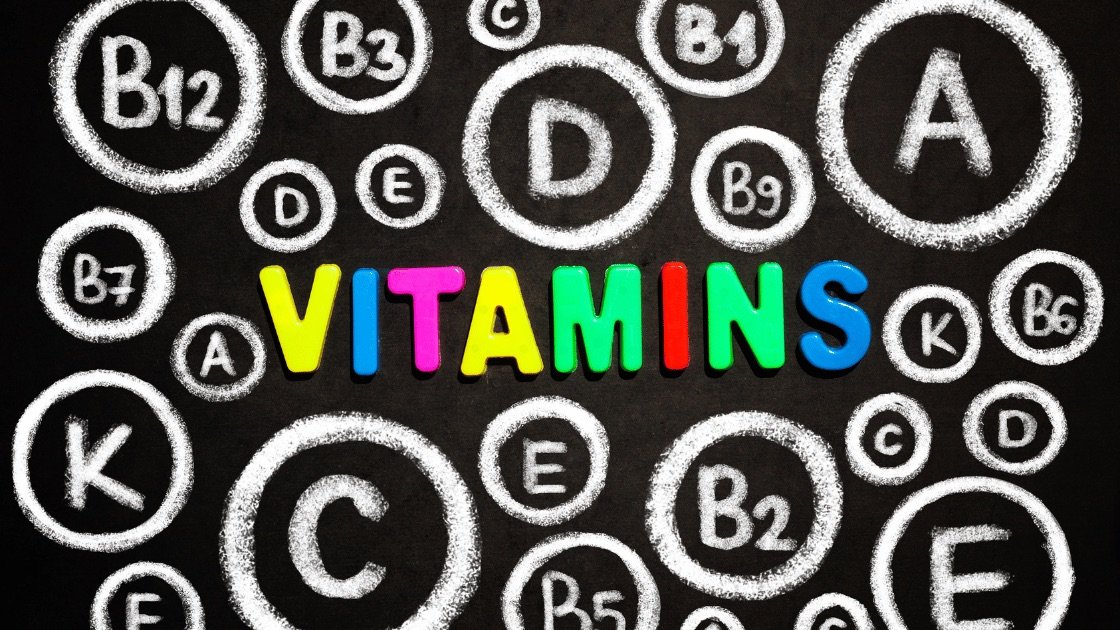
Vitamins are important for our overall health and well-being. They are organic compounds that our bodies need to function properly and stay healthy. There are two main types of vitamins: water-soluble vitamins and fat-soluble vitamins.
In this article, we will discuss the different types of vitamins, why they are important for our bodies, and the best food sources to get them from. We will also talk about whether or not we need to take vitamin supplements.
So let's start by understanding what exactly vitamins are and why they are essential for us.
 Incorporating a variety of foods rich in vitamin K into your diet can help ensure you get enough of this nutrient for optimal health. Some examples include adding spinach to your salads or smoothies, enjoying fermented foods like natto as a snack or side dish, and including egg yolks or lean meats in your meals.
1. What is Vitamin A?
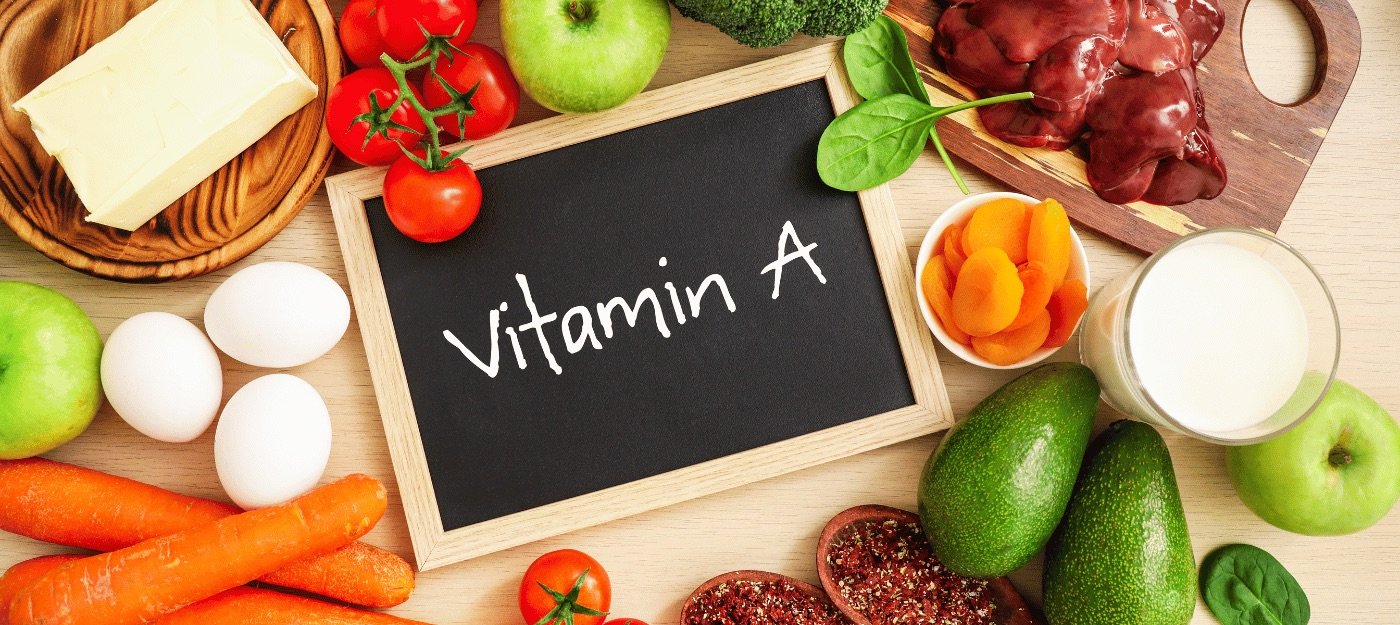
Vitamin A is a type of vitamin that is important for our bodies. It helps with many different things. There are two main types of vitamin A: retinol and carotenoids.Key Points:
- Retinol vs Carotenoids: Vitamin A comes in two main forms - retinol and carotenoids. Retinol can be found in foods that come from animals, while carotenoids are found in plants.
- What it does: Vitamin A is important for our eyesight, especially when it's dark. It also helps to keep our skin and other parts of our body healthy.
- Where to find it: Retinol is mostly found in foods like liver, eggs, and dairy products. Carotenoids can be found in colorful fruits and vegetables like carrots, sweet potatoes, spinach, and bell peppers.
2. Vitamin C
Vitamin C, also known as ascorbic acid, is a type of vitamin that dissolves in water and is important for keeping your body healthy. It is famous for its ability to boost your immune system and fight off harmful substances called free radicals.Why is Vitamin C Important?
Here are some important things to know about vitamin C:- Helps Protect Your Body: One of the main jobs of vitamin C is to act as an antioxidant. Antioxidants help protect your body from damage caused by unstable molecules called free radicals. These free radicals can harm your cells and increase your risk of chronic diseases like heart disease and cancer.
- Helps Make Collagen: Vitamin C is also needed for making collagen, which is a protein that helps keep your skin, bones, tendons, and blood vessels strong. Collagen is important for healing wounds and maintaining the structure of these tissues.
- Supports Your Immune System: Vitamin C plays a key role in supporting your immune system. It helps your immune cells work properly and strengthens your body's defenses against infections. Having enough vitamin C may help reduce the severity and duration of common illnesses like colds and flu.
Where Can You Find Vitamin C?
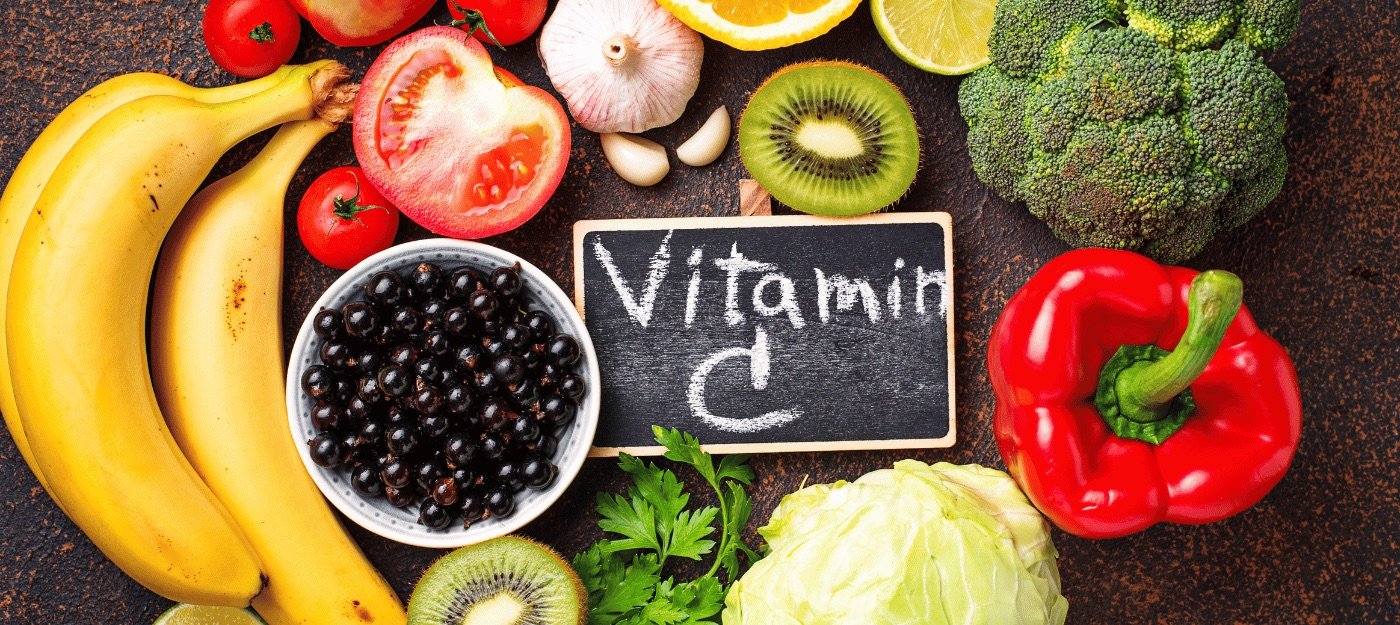
There are many different foods that contain vitamin C. Here are some examples:- Citrus Fruits: Oranges, grapefruits, lemons, and limes are all citrus fruits that are well-known for their high vitamin C content. They not only taste refreshing but also provide a good amount of this important nutrient.
- Strawberries: These sweet berries are another great source of vitamin C. Just one cup of strawberries has more than the recommended amount of this vitamin.
- Bell Peppers: Bell peppers, especially the red and yellow ones, are packed with vitamin C. They not only add color to your meals but also give them a crispy texture and fresh flavor.
- Leafy Green Vegetables: Leafy greens like spinach, kale, and Swiss chard are not only rich in vitamins and minerals but also contain vitamin C. You can easily add them to salads, smoothies, or cooked dishes.
How Can You Get Enough Vitamin C?
To make sure you're getting enough vitamin C, try to include these foods in your diet:- Eat a variety of fruits and vegetables every day.
- Choose fresh or lightly cooked foods to preserve the vitamin C content.
- If you're concerned about your vitamin C levels, talk to your doctor or a registered dietitian. They can help you determine if you need to take a vitamin C supplement.
3. Importance of Vitamin D
Vitamin D, also known as the "sunshine vitamin," plays a crucial role in the body. Here are some key points to understand its importance:1. How Vitamin D is Produced
- Vitamin D gets its nickname because our bodies can produce it when exposed to sunlight.
- When sunlight hits our skin, a chemical reaction occurs, converting cholesterol into a precursor form of vitamin D.
- This precursor is then converted into its active form by the liver and kidneys.
2. Role in Calcium Absorption
- One of the primary roles of vitamin D is to aid in calcium absorption.
- Calcium is essential for maintaining strong bones and teeth, and vitamin D ensures that our bodies can effectively absorb this vital mineral from the foods we eat.
- Without sufficient vitamin D, calcium absorption may be compromised, leading to weakened bones and an increased risk of conditions such as osteoporosis.
3. Food Sources of Vitamin D
- While sunlight is an excellent source of vitamin D, certain foods can also provide this essential nutrient.
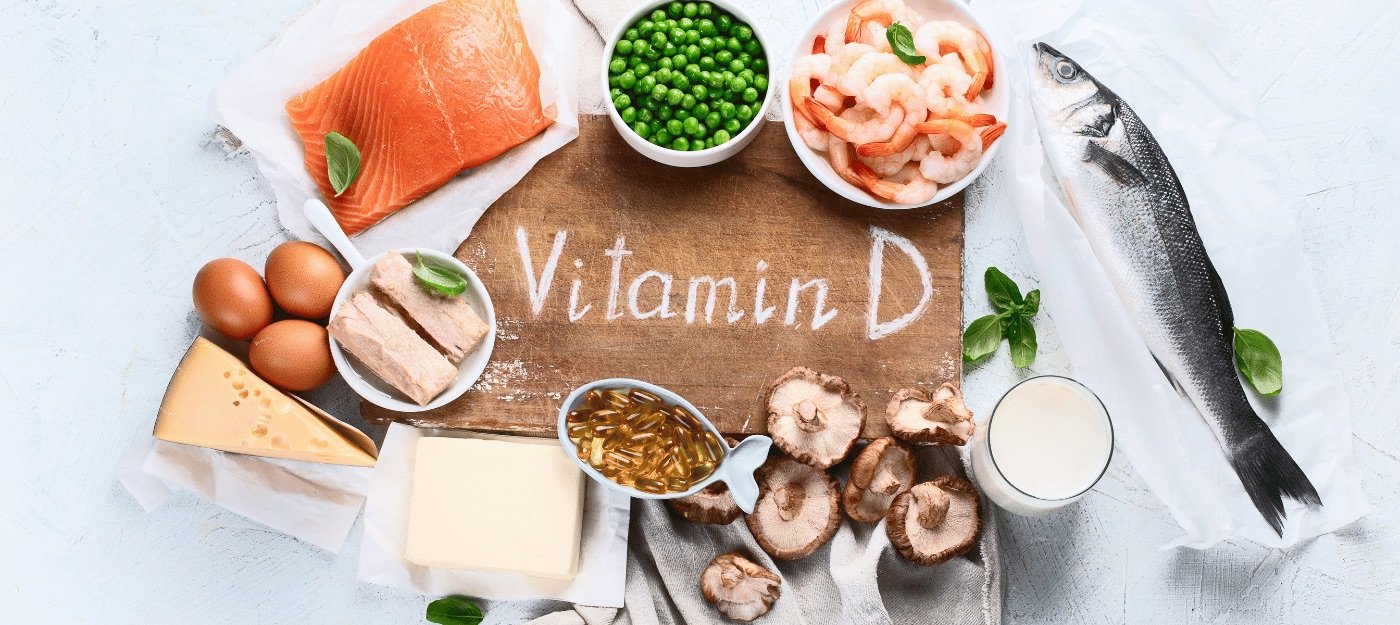
- Fatty fish like salmon, mackerel, and sardines are among the best dietary sources of vitamin D.
- Fortified dairy products such as milk and yogurt, as well as fortified cereals and orange juice, can also contribute to your intake.
- Additionally, egg yolks contain small amounts of vitamin D.
4. Vitamin E
Vitamin E is an important nutrient that acts as an antioxidant in the body, protecting cells from damage caused by harmful molecules called free radicals. It is divided into two main groups:Tocopherols
This group includes different forms of vitamin E such as alpha-tocopherol, beta-tocopherol, gamma-tocopherol, and delta-tocopherol. Among them, alpha-tocopherol is the most active form and is commonly found in supplements and fortified foods.Tocotrienols
This group consists of various forms of vitamin E like alpha-tocotrienol, beta-tocotrienol, gamma-tocotrienol, and delta-tocotrienol. Tocotrienols are believed to have stronger antioxidant properties compared to tocopherols. The main role of vitamin E is to counteract the harmful effects of free radicals and protect cells from oxidative stress. It also supports the health of red blood cells and helps boost immune function. Research has shown that vitamin E may have potential benefits in reducing the risk of chronic diseases such as heart disease and certain types of cancer.
Food Sources of Vitamin E
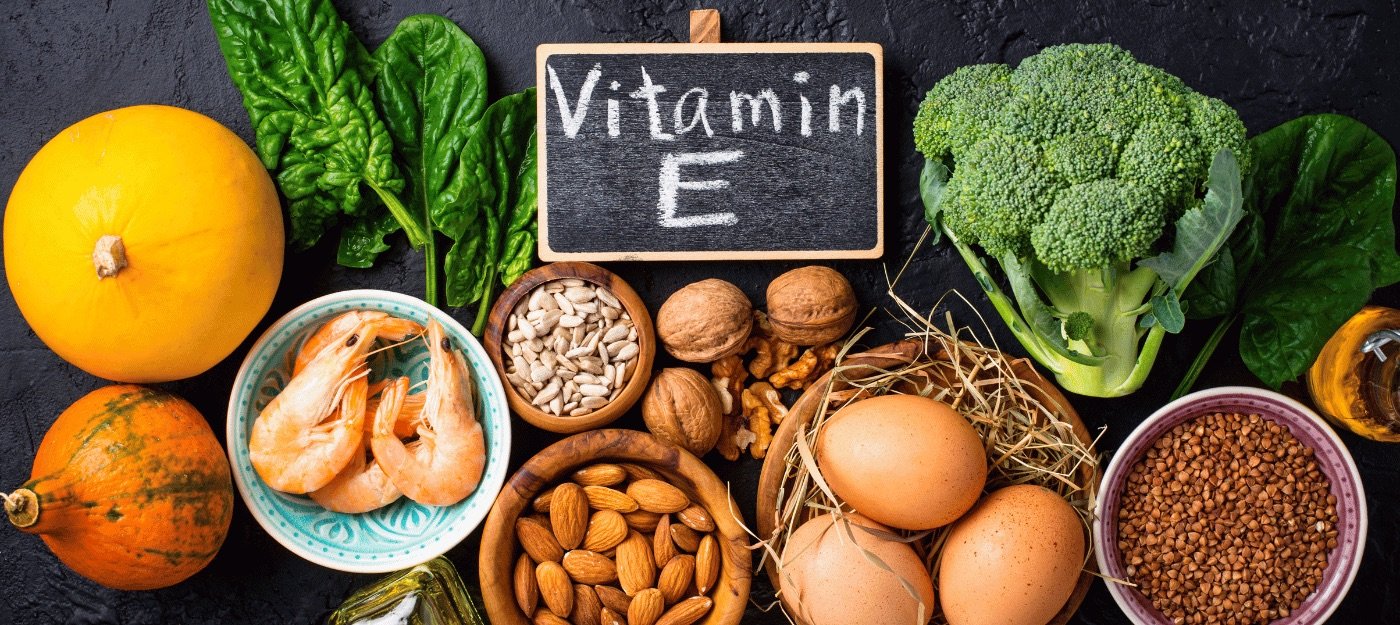
If you're looking to increase your intake of vitamin E through food, here are some options:- Nuts: Almonds, hazelnuts, and sunflower seeds are good sources of vitamin E. Enjoy them as a snack or add them to salads for extra nutrition.
- Seeds: Sunflower seeds, pumpkin seeds, and flaxseeds are rich in vitamin E. You can blend them into smoothies, sprinkle them on yogurt, or use them as toppings for cereals.
- Vegetable Oils: Wheat germ oil, sunflower oil, and safflower oil are all high in vitamin E. Use them in salad dressings or for cooking to boost your intake of this nutrient.
- Leafy Green Vegetables: Spinach, Swiss chard, and kale contain vitamin E. Include them in your salads, stir-fries, or smoothies for a healthy dose of this essential nutrient.
5. Vitamin K
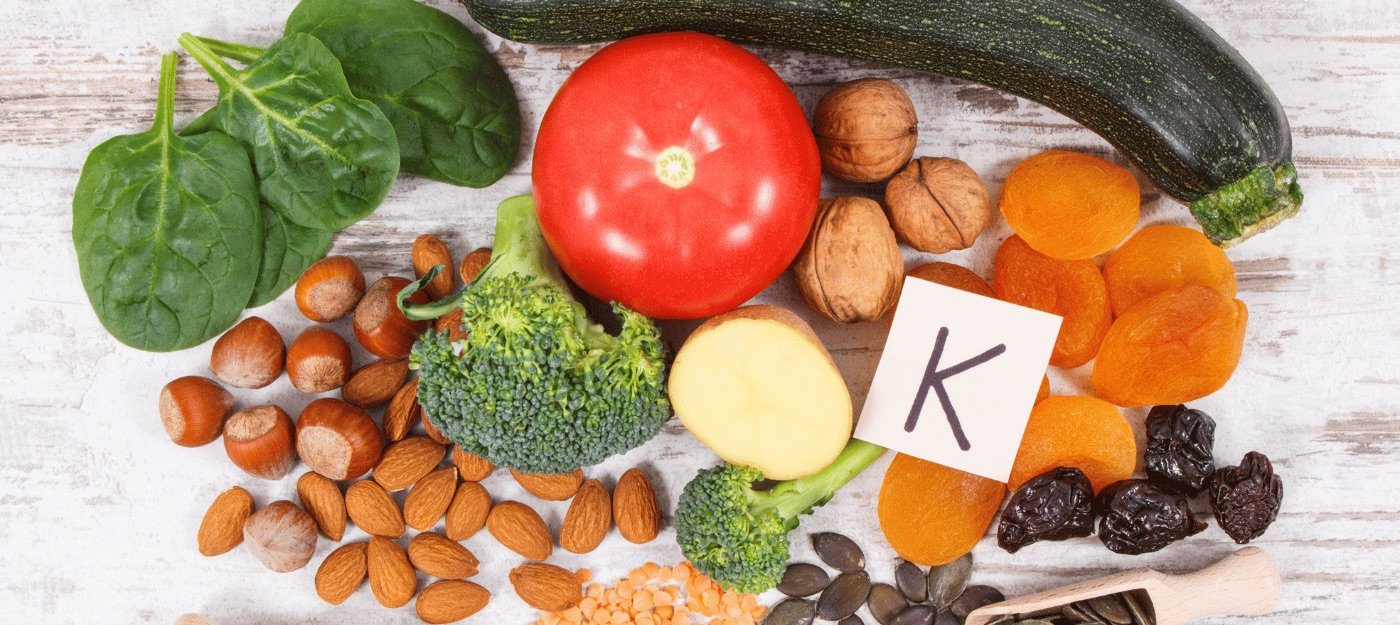
Vitamin K is an important type of vitamin that dissolves in fat and has several key functions in the body, including helping with blood clotting and keeping bones strong.Forms of Vitamin K
There are two main forms of vitamin K:- Vitamin K1 (phylloquinone): This form is primarily found in leafy green vegetables like spinach, kale, and broccoli.
- Vitamin K2 (menaquinone): This form is found in fermented foods such as natto and cheese, as well as in animal products like egg yolks and meat.
Role in the Body
Vitamin K has two major roles in the body:- Blood clotting: It helps produce proteins that are necessary for blood to clot properly, preventing excessive bleeding.
- Bone health: It supports the mineralization of bones, which helps make them strong and reduces the risk of fractures.
Incorporating a variety of foods rich in vitamin K into your diet can help ensure you get enough of this nutrient for optimal health. Some examples include adding spinach to your salads or smoothies, enjoying fermented foods like natto as a snack or side dish, and including egg yolks or lean meats in your meals.
6. B Vitamins
B vitamins are a group of vitamins that dissolve in water and have important functions in the body, such as helping with energy production and keeping the nervous system healthy. There are eight different B vitamins, each with its own jobs and foods that contain them:- Thiamin (B1): Thiamin helps convert carbohydrates into energy and keeps the nerves working properly. Foods like whole grains, beans, pork, and nuts are good sources of thiamin.
- Riboflavin (B2): Riboflavin is needed for making energy and maintaining healthy skin and eyes. Dairy products, lean meats, mushrooms, and dark green leafy vegetables have riboflavin.
- Niacin (B3): Niacin is important for breaking down fats and carbohydrates and also helps with repairing DNA. You can find niacin in meat, fish, poultry, whole grains, and beans.
- Pantothenic Acid (B5): Pantothenic acid helps make fatty acids and produces red blood cells. Meat, eggs, whole grains, and avocados are some foods that contain pantothenic acid.
- Pyridoxine (B6): Pyridoxine is necessary for brain development and function, as well as making certain chemicals in the brain called neurotransmitters. It can be obtained from fish, chicken, bananas, potatoes, and chickpeas.
- Biotin (B7): Biotin has an important role in metabolism by assisting in converting food into energy. Organ meats, egg yolks, nuts, seeds, and vegetables like sweet potatoes provide biotin.
- Folate (B9): Folate is needed for cell division and making DNA. Leafy green vegetables, beans, citrus fruits, fortified grains, and liver are good sources of folate.
- Cobalamin (B12): Cobalamin is necessary for making red blood cells and keeping the nerves healthy. Animal products like meat, fish, dairy, and eggs are the main sources of vitamin B12.
- Whole grains like brown rice, quinoa, and whole wheat bread
- Legumes such as beans, lentils, and chickpeas
- Lean meats like chicken breast or turkey
- Eggs
- Dark green leafy vegetables like spinach or kale
Importance of Obtaining Vitamins from Food
- Why Whole Foods Are Best: When it comes to obtaining vitamins, prioritizing whole foods over supplements is generally considered the best approach.
- Nutrient Powerhouse: Whole foods provide a plethora of nutrients beyond just vitamins, including minerals, fiber, and phytonutrients that work synergistically for overall health.
- The Balanced Plate: Consuming a balanced diet rich in fruits, vegetables, whole grains, lean proteins, and healthy fats ensures that you not only meet your vitamin needs but also maintain overall nutritional balance for optimal well-being.
Signs and Risks of Vitamin Deficiencies
Vitamin deficiencies can have a significant impact on our health and well-being. Here are some common symptoms associated with different vitamin deficiencies:Symptoms of Vitamin Deficiencies
- Vitamin A deficiency: Night blindness, dry skin, increased susceptibility to infections, and delayed growth in children.
- Vitamin C deficiency: Fatigue, weakened immune system, easy bruising, slow wound healing, and swollen gums.
- Vitamin D deficiency: Weak bones, muscle weakness, increased risk of fractures, and compromised immune function.
- Vitamin E deficiency: Muscle weakness, poor coordination, vision problems, and impaired immune function.
- Vitamin K deficiency: Excessive bleeding or bruising, difficulty forming blood clots, and increased risk of osteoporosis.
Risks of Untreated Vitamin Deficiencies
If left untreated, vitamin deficiencies can lead to various long-term health risks. For example:- Severe vitamin A deficiency can cause permanent blindness.
- Untreated vitamin C deficiency can result in scurvy, a condition characterized by bleeding gums, joint pain, and fatigue.
- Prolonged vitamin D deficiency can lead to rickets in children and osteomalacia in adults, both of which cause weak bones and skeletal deformities.
- Vitamin E deficiency may increase the risk of neurological disorders and cardiovascular diseases.
- Inadequate vitamin K intake can lead to excessive bleeding and impaired bone health.
Understanding Recommended Vitamin Intake Levels
Dietary Reference Intakes (DRIs) are guidelines developed by the Food and Nutrition Board of the National Academy of Medicine. These guidelines provide recommended intake levels of vitamins and minerals based on age, sex, and life stage. It is important to understand these guidelines to ensure that you are meeting your specific vitamin needs. Here are some key points to understand about DRIs:- Four Different Reference Values: DRIs include four different reference values:
- Estimated Average Requirement (EAR): Represents the average daily intake level of a nutrient that is estimated to meet the requirements of half of the healthy individuals in a particular life stage and gender group.
- Recommended Dietary Allowance (RDA): Is the average daily dietary intake level that is sufficient to meet the nutrient requirements of nearly all (97-98%) healthy individuals in a particular life stage and gender group.
- Adequate Intake (AI): Is used when there is insufficient scientific evidence to establish an EAR or RDA. It represents an approximation of the nutrient intake that is assumed to be adequate for a specific population group.
- Tolerable Upper Intake Level (UL): Represents the maximum daily intake level of a nutrient that is unlikely to pose any adverse health effects in almost all individuals.
- Variation Based on Factors: DRIs may vary based on factors such as pregnancy, lactation, age, and certain medical conditions.
- Consult with a Healthcare Professional: Consulting with a healthcare professional can help determine your specific vitamin intake needs based on these guidelines.
Safety Considerations for Vitamin Supplementation
When considering vitamin supplementation, it's important to be mindful of potential risks associated with high-dose intake. Some key points to keep in mind include:- Toxicity Risks: High doses of certain vitamins, such as vitamin A and D, can lead to toxicity symptoms. These symptoms may manifest as nausea, vomiting, dizziness, and in severe cases, can pose serious health risks.