


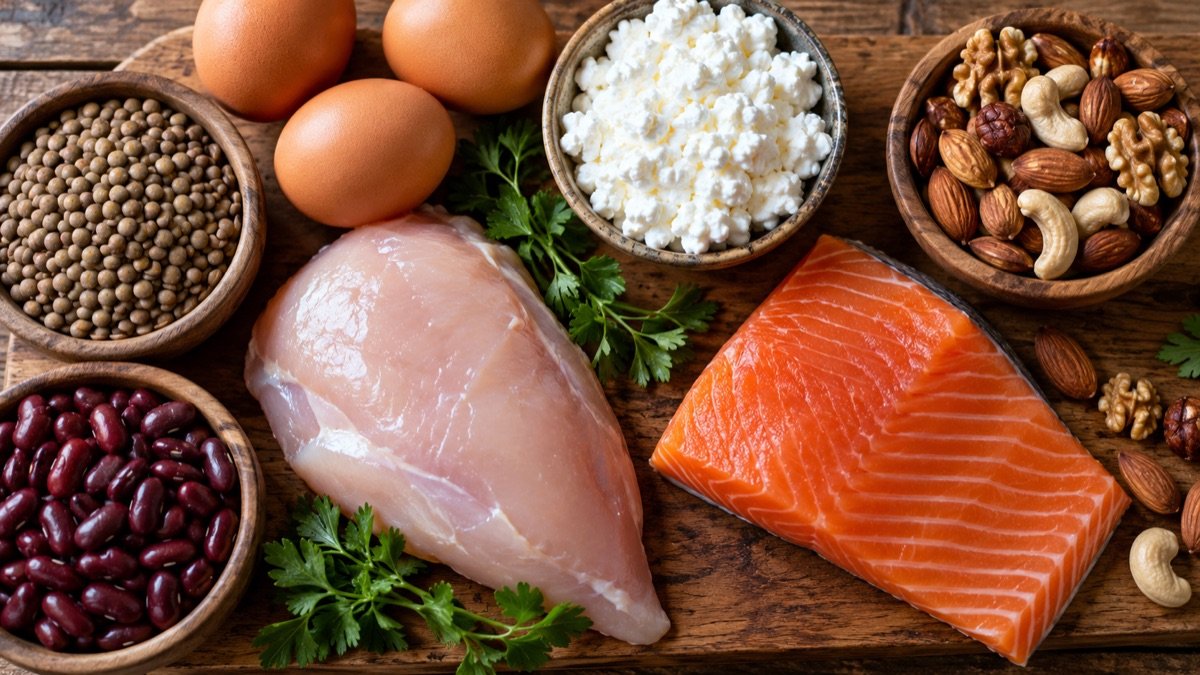
Protein is a crucial macronutrient that plays a fundamental role in the human body. It is essential for various bodily functions, including muscle growth, repair, and overall health. In this article, we will delve into the world of proteins, exploring their different types and the vital functions they perform within the body. Understanding the significance of protein and its diverse roles can empower you to make informed choices about your diet and overall well-being.
Animal-Based Proteins: Sources and Benefits
When it comes to animal-based proteins, there are several sources that offer a wealth of essential nutrients for the body. Here are some common animal-based protein sources and their benefits:
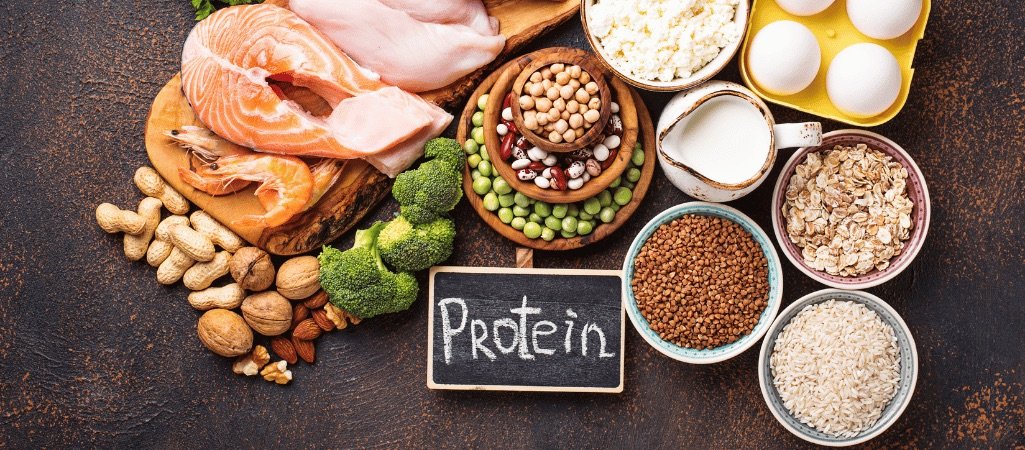
Understanding Protein: Definition and Structure
Definition of protein
Protein is a macronutrient essential for the proper functioning of the human body. It is composed of long chains of amino acids, which are organic compounds that contain carbon, hydrogen, oxygen, and nitrogen.Amino acids as building blocks
Amino acids are the fundamental building blocks of proteins. There are 20 different types of amino acids that can be combined in various ways to create a wide range of proteins. These amino acids are linked together in specific sequences to form unique protein structures, each with its own distinct function in the body. Understanding the structure of proteins and the role of amino acids is crucial in comprehending how proteins contribute to various physiological processes in the human body.The Key Functions of Proteins in the Body
Proteins play crucial roles in various bodily processes, contributing to overall health and well-being. They are involved in enzymatic reactions, hormonal regulation, and immune defense mechanisms.Enzymatic Reactions
Proteins act as catalysts for biochemical reactions in the body. For example, digestive enzymes help break down food into nutrients that can be absorbed and utilized by the body.Hormonal Regulation
Certain proteins function as hormones, transmitting signals between cells and regulating various physiological processes. For instance, insulin is a protein hormone that plays a key role in controlling blood sugar levels.Immune Defense Mechanisms
Antibodies, which are specialized proteins, help recognize and neutralize foreign invaders such as bacteria and viruses. They play a critical role in protecting the body against infections. These examples illustrate the diverse and essential functions of proteins in maintaining the body's overall health and functionality.Different Types of Proteins and Their Importance
Animal-Based Proteins: Sources and Benefits
When it comes to animal-based proteins, there are several sources that offer a wealth of essential nutrients for the body. Here are some common animal-based protein sources and their benefits:
- Lean Meats: Lean cuts of beef, pork, and poultry are rich in high-quality protein, along with vital nutrients such as iron, zinc, and B vitamins. These proteins play a crucial role in muscle repair and growth, making them popular among fitness enthusiasts and athletes.
- Fatty Fish: Varieties such as salmon, mackerel, and trout are not only abundant in protein but also provide heart-healthy omega-3 fatty acids. These essential fats contribute to brain health, reduce inflammation, and support overall well-being.
- Dairy Products: Milk, yogurt, cheese, and other dairy products are renowned for their protein content, particularly the presence of casein and whey proteins. Additionally, they are excellent sources of calcium, which is essential for bone health.
Plant-Based Proteins: Sources and Considerations
Proteins are essential nutrients that our bodies need for various functions, such as building and repairing tissues, producing enzymes and hormones, and supporting a healthy immune system. When it comes to protein, most people think of meat, fish, and dairy products as the main sources. However, proteins can also be obtained from plant sources.Animal-Based Proteins vs. Plant-Based Proteins
- Animal-based proteins: These include meat, fish, eggs, and dairy products. They are considered "complete" proteins because they contain all the essential amino acids that our bodies need.
- Plant-based proteins: These come from foods like legumes (e.g., beans, lentils), nuts, seeds, and whole grains. Unlike animal-based proteins, most plant proteins are "incomplete," meaning they lack one or more essential amino acids.
Plant-Based Protein Sources
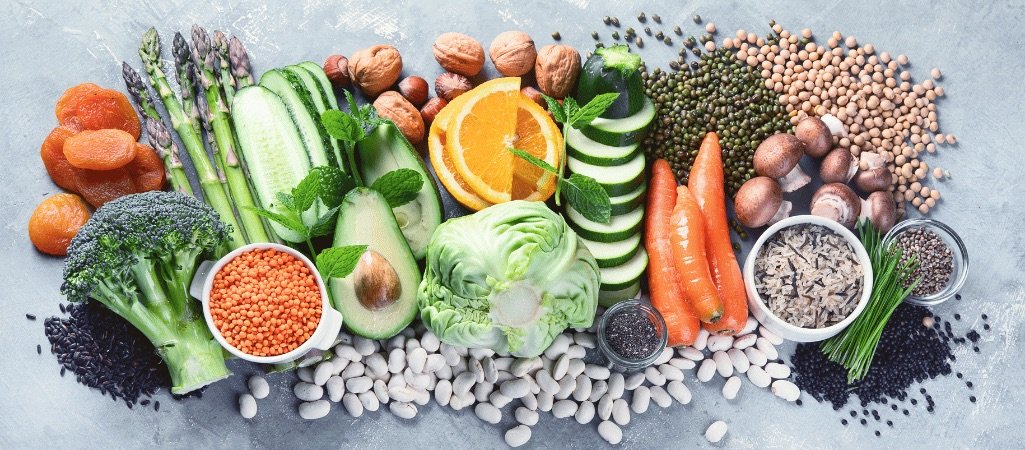
If you're considering incorporating more plant-based proteins into your diet or following a vegetarian or vegan lifestyle, here are some options to consider:- Legumes: Beans (e.g., black beans, chickpeas), lentils, peas
- Nuts: Almonds, walnuts, peanuts
- Seeds: Chia seeds, flaxseeds, hemp seeds
- Whole Grains: Quinoa, brown rice, oats
- Soy Products: Tofu, tempeh, edamame
- Vegetables: Spinach, broccoli, Brussels sprouts
Combining Plant Proteins for Complete Nutrition
While plant proteins can be part of a healthy diet, it's important to note that not all plant foods provide the same amino acids as animal-based proteins. This is why it's recommended to combine different plant foods throughout the day to ensure you're getting all the essential amino acids your body needs. Here are some examples of protein combinations:- Beans + Rice: This classic combination found in many cuisines provides a complete protein profile.
- Hummus + Whole Wheat Pita: When chickpeas (found in hummus) are paired with whole wheat pita bread, you get a complete protein source.
- Lentils + Quinoa: Both lentils and quinoa are rich in protein and complement each other to form a complete amino acid profile.
Remember, it's always a good idea to consult with a registered dietitian or healthcare professional for personalized nutrition advice.
How Much Protein Do You Really Need?
To determine how much protein you need each day, consider these factors:1. Your Lifestyle and Physiological Characteristics
- Each person has different protein needs based on their age, sex, activity level, and overall health.
- For example, if you're an athlete or regularly do intense workouts, you may need more protein to repair and grow your muscles.
2. The General Guideline: Recommended Dietary Allowance (RDA)
- The RDA suggests consuming about 0.8 grams of protein per kilogram of body weight.
- However, this guideline may not be suitable for everyone, especially those with specific dietary needs or goals.
3. Your Unique Circumstances
- Consider any individual factors that may affect your protein requirements.
- For instance:
- Pregnant or breastfeeding women need more protein for fetal development and milk production.
- Older adults may require extra protein to prevent muscle loss associated with aging.
4. Any Medical Conditions You Have
- Certain health conditions may require you to adjust your protein intake.
- Examples:
- If you have kidney disease, you might need to limit your protein consumption to lessen the strain on your kidneys.
- On the other hand, if you're recovering from surgery or an injury, you may need more protein to heal faster.
- Consult a healthcare professional or registered dietitian who can assess your specific requirements.
- They will provide personalized recommendations and help you create a balanced meal plan that includes adequate protein from both animal and plant sources.
Meeting Your Protein Goals: Practical Tips
Incorporating protein-rich foods into your meals and snacks is essential to meet your dietary goals. Here are some practical suggestions to help you achieve this:Animal-Based Protein Sources
- Include lean meats such as chicken, turkey, and beef in your main dishes.
- Incorporate fatty fish like salmon, trout, or mackerel into your weekly meal plan.
- Add dairy products like Greek yogurt, cottage cheese, and eggs to your breakfast or snacks.
Plant-Based Protein Sources
- Opt for legumes such as lentils, chickpeas, black beans, and edamame in stews, salads, or soups.
- Snack on nuts and seeds like almonds, walnuts, chia seeds, and pumpkin seeds for a protein boost.
- Explore tofu, tempeh, and seitan as versatile meat alternatives in stir-fries and curries.
Protein Quality Matters Too
When it comes to protein, it's not just about how much you eat, but also the quality of the protein that matters. Protein quality refers to how well a protein provides the amino acids that our bodies need to function properly. One way to measure protein quality is by using the Protein Digestibility Corrected Amino Acid Score (PDCAAS). This score takes into account two things:- Amino acid composition: Does the protein contain all of the essential amino acids that our bodies can't produce on their own?
- Digestibility: How easily can our bodies break down and absorb the protein?
- Lean meats like chicken and turkey
- Fish and seafood
- Dairy products like milk, cheese, and yogurt
The Truth About Consuming Too Much Protein
One common concern when it comes to protein intake is the potential negative impact on our kidneys. Another concern is that excessive protein consumption may displace other important nutrients from our diet. It's important to note that while protein is indeed an essential macronutrient, consuming too much of it can put strain on our kidneys. This is especially true for individuals who already have kidney issues or are at risk of developing them. Additionally, when we focus too much on increasing our protein intake, we may end up neglecting other vital nutrients like carbohydrates, fats, vitamins, and minerals. A well-balanced diet that includes a variety of foods is key to ensuring we get all the necessary nutrients our body needs. So what should we do? Here are some tips for maintaining a healthy balance:- Set a reasonable protein goal: Rather than aiming for an excessive amount of protein, aim for a moderate and realistic intake based on your individual needs and activity level.
- Include protein from different sources: Instead of relying solely on animal-based proteins, incorporate plant-based sources like legumes, tofu, and quinoa as well.
- Don't forget about carbs and fats: Make sure to include adequate portions of carbohydrates and healthy fats in your meals to support overall nutritional balance.
- Consult with a healthcare professional or registered dietitian: If you have specific concerns or dietary restrictions, it's always a good idea to seek personalized advice from a healthcare professional or registered dietitian.
Debunking Protein Myths
- Myth 1: 'You need to eat meat to get enough protein'
- Explanation: Many people believe that meat is the only source of protein, but this is not true. Plant-based foods like beans, lentils, tofu, and quinoa are also excellent sources of protein.
- Myth 2: 'Protein shakes are necessary for muscle gain'
- Explanation: While protein shakes can be a convenient way to increase your protein intake, they are not necessary for building muscle. You can get more than enough protein from whole foods like chicken, fish, eggs, and dairy products.