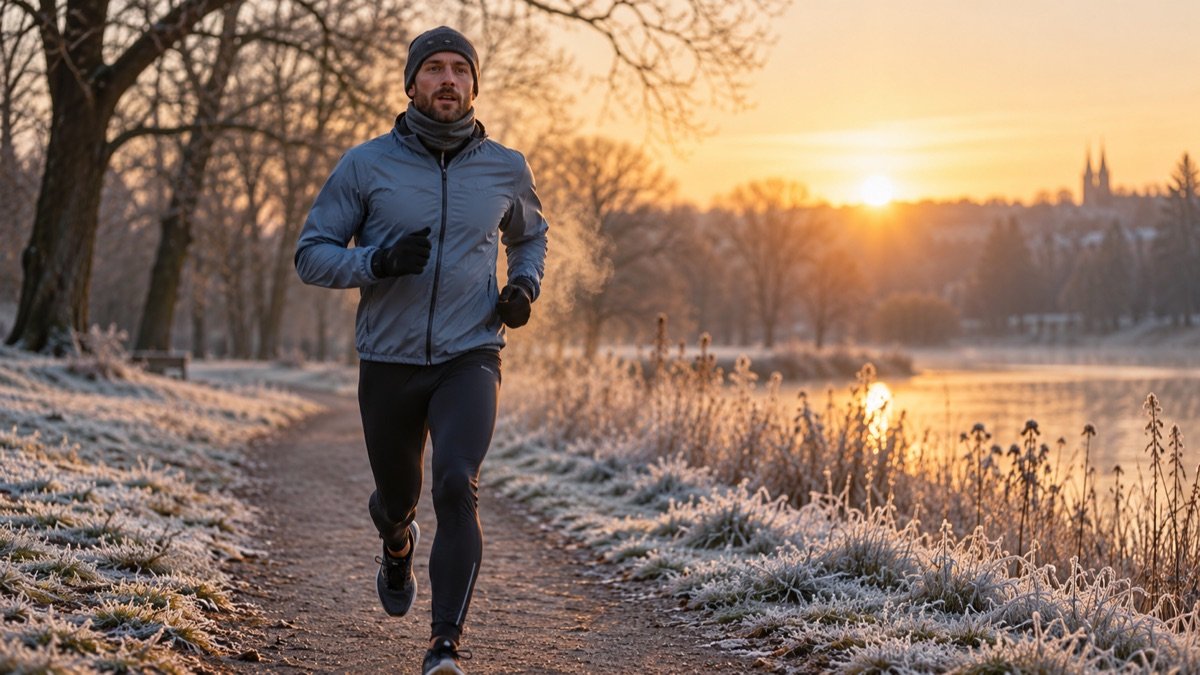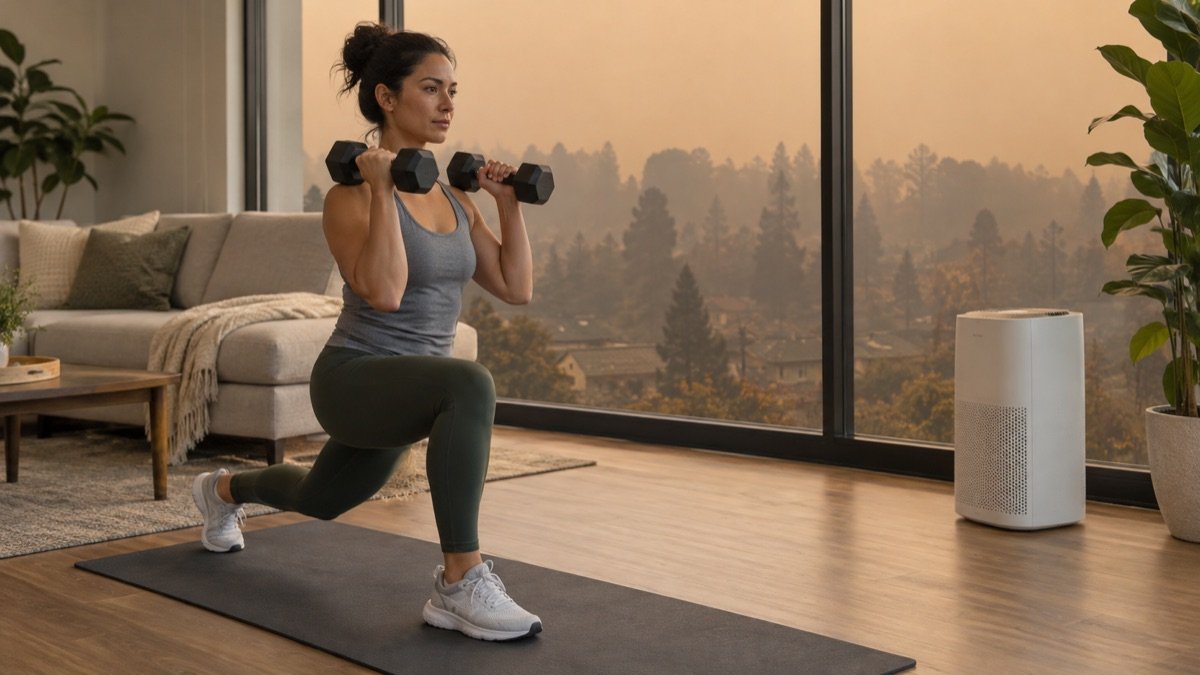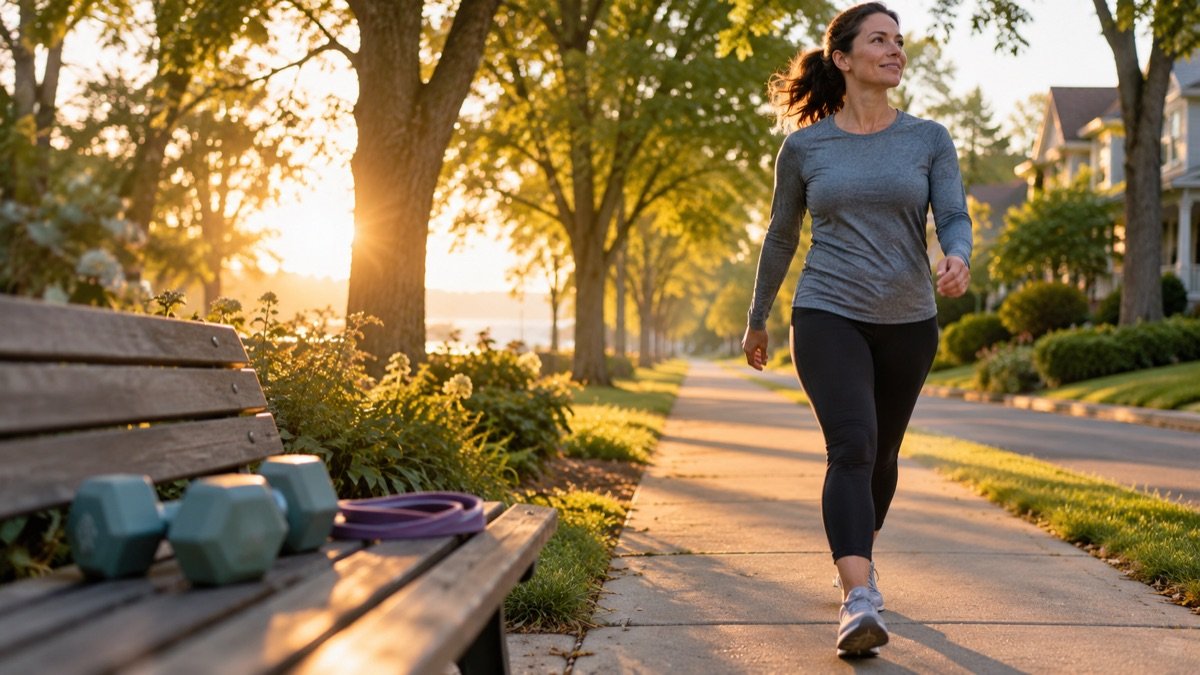



In recent years, outdoor fitness activities have gained tremendous popularity as people seek to embrace a healthier lifestyle. Engaging in these activities not only contributes to physical well-being but also enriches mental health, providing a holistic approach to overall wellness. Throughout this article, we will delve into the numerous benefits of outdoor fitness activities, exploring how they can positively impact your life.
Outdoor fitness activities offer a myriad of advantages, including physical strength and mental rejuvenation. By immersing yourself in nature and participating in these activities, you can experience an enhanced sense of well-being that extends beyond just the physical aspect.



 Individuals looking to begin playing basketball:


1. Hiking
Trekking is a popular outdoor fitness activity that offers numerous physical and mental benefits. It allows you to explore nature while engaging in a challenging workout.Physical Benefits
Hiking is an excellent cardiovascular exercise that helps strengthen your heart, lungs, and muscles. It improves your overall fitness level and promotes weight loss. Research has shown that a 90-minute hike can burn up to 500 calories, depending on factors such as terrain, pace, and incline[^1^]. This calorie expenditure makes hiking an effective option for those looking to shed extra pounds.Mental Well-being
In addition to its physical benefits, hiking is also known for its positive impact on mental health. Spending time in nature has been linked to reduced stress levels, improved mood, and increased feelings of happiness and well-being[^2^]. Hiking allows you to disconnect from the hustle and bustle of everyday life and connect with the natural world around you.
Getting Started
If you're new to hiking, it's essential to start slowly and gradually increase the difficulty of your hikes. Here are some tips for beginners:- Choose an appropriate trail: Opt for trails with a lower difficulty rating and shorter distances to build up your stamina.
- Wear proper footwear: Invest in a pair of sturdy hiking boots or shoes that provide good traction and support.
- Essential Trekking Checklist: Carry water, snacks, sunscreen, a map or GPS device, and a first aid kit.
- Start with shorter hikes: Begin with shorter hikes and gradually increase the duration and difficulty level as you gain experience.
- Consider hiking with others: Hiking with friends or joining hiking groups can enhance safety and make the experience more enjoyable.
"Hiking is not just an opportunity for physical exercise; it's a chance to reconnect with nature and recharge your mind." - Unknown[^1^]: Source: Harvard Health Publishing. "Calories burned in 30 minutes for people of three different weights." (2017). [^2^]: Source: Bratman, G.N., Hamilton, J.P., & Daily, G.C. (2012). The impacts of nature experience on human cognitive function and mental health. Annals of the New York Academy of Sciences, 1249(1), 118-136.
2. Skiing/Snowboarding
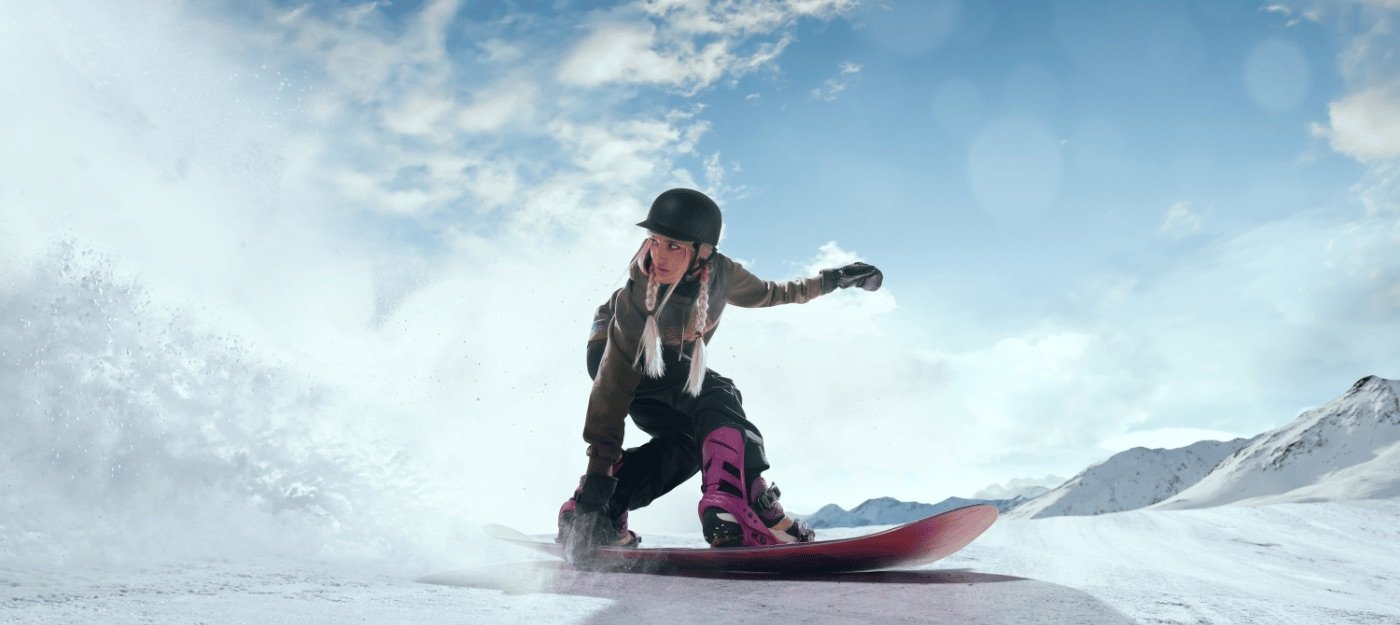
Skiing and snowboarding are not only exhilarating winter sports but also fantastic outdoor fitness activities that offer a range of physical and mental benefits.Contribution to Cardiovascular Health and Balance Improvement
Both skiing and snowboarding involve dynamic movements that engage the lower body muscles, promoting cardiovascular endurance and overall heart health. The constant need for balance while navigating varying terrain contributes to improved stability and coordination.Calorie-Burning Potential
Skiing and snowboarding are high-intensity activities that can significantly elevate heart rate, resulting in substantial calorie expenditure. According to research, an average adult can burn between 400 to 600 calories per hour while skiing or snowboarding, depending on factors such as intensity and skill level.
Techniques for Beginners
Beginners can enhance their skiing or snowboarding skills by focusing on proper form and technique, gradually increasing the duration and intensity of their sessions. It's essential for novices to take lessons from certified instructors to learn the fundamentals of these sports and ensure safety on the slopes. These winter workout options provide a unique combination of adrenaline-pumping fun and effective fitness training, making them ideal choices for individuals seeking outdoor activities during the colder months.3. Stand-Up Paddleboarding (SUP)
Stand-Up Paddleboarding (SUP) is a versatile outdoor activity that engages multiple muscle groups and helps develop a strong core. It has gained popularity in recent years due to its accessibility and the many benefits it offers.Benefits of Stand-Up Paddleboarding
Here are some key points about SUP:- Full-Body Workout: SUP provides a full-body workout as it requires you to use your arms, shoulders, back, and core muscles to paddle and maintain balance on the board. Your legs also get engaged as you stabilize yourself on the board.
- Core Strength: One of the major benefits of SUP is the development of core strength. To maintain balance on the board, you need to engage your abdominal and lower back muscles, which helps improve your overall stability and posture.
- Low-Impact Exercise: Unlike high-impact activities like running or jumping, SUP is a low-impact exercise that puts minimal stress on your joints. This makes it suitable for people of all fitness levels, including those with joint issues or injuries.
Tips for First-Time Paddleboarders
Here are some essential tips for first-time paddleboarders to ensure a safe and enjoyable experience:- Choose the Right Board: Start with a wider and more stable board if you're a beginner. As you gain confidence and skill, you can transition to narrower and faster boards.
- Learn Proper Technique: Take a lesson or watch instructional videos to learn proper paddling technique. Using correct technique will not only make your strokes more efficient but also prevent strain on your muscles.
- Start in Calm Waters: Begin paddling in calm waters such as lakes or calm sections of rivers. This will help you get comfortable with balancing on the board without worrying about waves or currents.
- Wear a Leash: Always wear a leash that connects you to the board. In case you fall off, the leash will prevent the board from drifting away, making it easier for you to climb back on.
- Use Sun Protection: Since SUP is typically done in open water, it's important to protect your skin from the sun's harmful rays. Apply sunscreen, wear a hat, and consider wearing a rash guard or wetsuit for added protection.
- Stay Hydrated: Paddling can be physically demanding, so make sure to stay hydrated by bringing water with you on your SUP adventures.
4. Swimming
Swimming is a full-body workout that offers numerous health benefits, making it an excellent outdoor fitness activity. Here are the key points to consider:- Health Advantages: Swimming provides a range of health benefits, including improved cardiovascular endurance, increased muscular strength, and enhanced flexibility. It is a low-impact exercise that is gentle on the joints, making it suitable for individuals of all ages and fitness levels.
- Calorie-Burning Potential: Different swimming strokes offer varying levels of calorie burning. For example, the butterfly stroke is known to be particularly effective for burning calories due to its demanding nature. Readers can choose the most suitable swimming stroke based on their fitness goals and preferences.
- Core Muscle Targeting: To maximize the effectiveness of swimming as a core-strengthening exercise, specific drills and techniques can be practiced during swim sessions. For instance, incorporating flutter kicks or performing freestyle drills with a focus on engaging the core muscles can help individuals target this area effectively.
5. Recreational Sports
When it comes to outdoor fitness activities, engaging in recreational sports is a fantastic way to stay active while enjoying the company of others. Team or individual sports not only provide physical exercise but also offer the opportunity for social interaction and friendly competition.Tennis
Tennis is a dynamic sport that offers a full-body workout. It helps improve cardiovascular health, agility, and hand-eye coordination. On average, playing singles tennis can burn around 420-600 calories per hour, making it an effective form of exercise. For beginners interested in trying out tennis:- Start with proper equipment, such as a suitable racket and comfortable clothing.
- Taking lessons from a qualified instructor can help develop fundamental skills and techniques.
Soccer
Soccer, also known as football in many countries, is a high-energy sport that involves constant movement and quick bursts of speed. It improves cardiovascular endurance, lower body strength, and overall coordination. Depending on factors such as intensity and duration, playing soccer can burn approximately 500-800 calories per hour. For newcomers to soccer:- Join a local recreational league or participate in pickup games at community fields for valuable experience.
- Practice basic ball control and passing skills to start building proficiency in the sport.
Basketball
Basketball is an excellent way to enhance cardiovascular health, leg strength, and agility. The fast-paced nature of the game offers an intense workout while also improving hand-eye coordination and spatial awareness. A typical game of basketball can lead to burning about 480-710 calories per hour.
Individuals looking to begin playing basketball:
- Learn fundamental dribbling and shooting techniques.
- Join a community basketball group or find local courts for casual games to get started.
6. Inline/Roller-Skating
Inline skating and roller-skating are fun alternatives to traditional cardio workouts that engage your lower body muscles while improving balance and coordination. Whether you prefer inline skates or roller skates, both options provide a great cardiovascular workout with numerous health benefits.Why Inline and Roller-Skating Are Great for Your Fitness
These activities offer several advantages for your fitness routine:- Engaging Lower Body Muscles: Inline and roller-skating primarily target the muscles in your legs, including the quadriceps, hamstrings, glutes, and calves. As you glide or roll, these muscles work together to propel you forward, providing an effective lower-body workout.
- Improving Balance and Coordination: Skating requires constant balance adjustments, which help improve your overall balance and coordination skills. The repetitive motion of pushing off with one leg and gliding on the other also enhances your proprioception (awareness of your body's position in space).
- Calorie Burning Potential: Research suggests that inline skating can burn approximately 425-600 calories per hour for an average-sized adult skating at a moderate intensity. Roller-skating may burn slightly fewer calories due to the different muscle engagement and lower speed compared to inline skating. However, both activities offer a significant calorie burn while having fun.
Tips for Getting Started with Inline or Roller-Skating
If you're ready to give inline or roller-skating a try, here are some tips to help you get started:- Select skates that fit properly and provide adequate ankle support.
- Opt for wheels that match your intended skating surface (harder wheels for smooth pavement and softer wheels for rougher terrain).
- Wear protective gear such as knee pads, elbow pads, wrist guards, and a helmet to minimize the risk of injuries.
7. Bike Riding
Bike riding is not only a great eco-friendly mode of transportation but also an excellent form of exercise that targets major muscle groups like the glutes and quads.- Promote biking as a dual-purpose activity: Biking offers the dual benefit of being an eco-friendly mode of transportation and a fantastic form of exercise. It engages major muscle groups such as the glutes and quads, making it an effective lower body workout.
- Factors influencing calorie burn during cycling: The number of calories burned during a cycling session can be influenced by factors such as speed and terrain. Uphill cycling or riding at higher speeds can lead to increased calorie expenditure, providing readers with realistic expectations regarding potential results.
- Guidance on bike selection and fitting: Providing guidance on selecting the right bike and ensuring proper fitting is essential for readers looking to take up biking. Different types of bikes are suitable for various terrains and riding styles, so it's important to choose one that aligns with individual preferences and needs.
- Essential safety precautions: Safety is paramount when it comes to urban and off-road riding. Offering essential safety precautions, including tips on wearing protective gear and following traffic rules, ensures that readers can enjoy biking while minimizing risks.
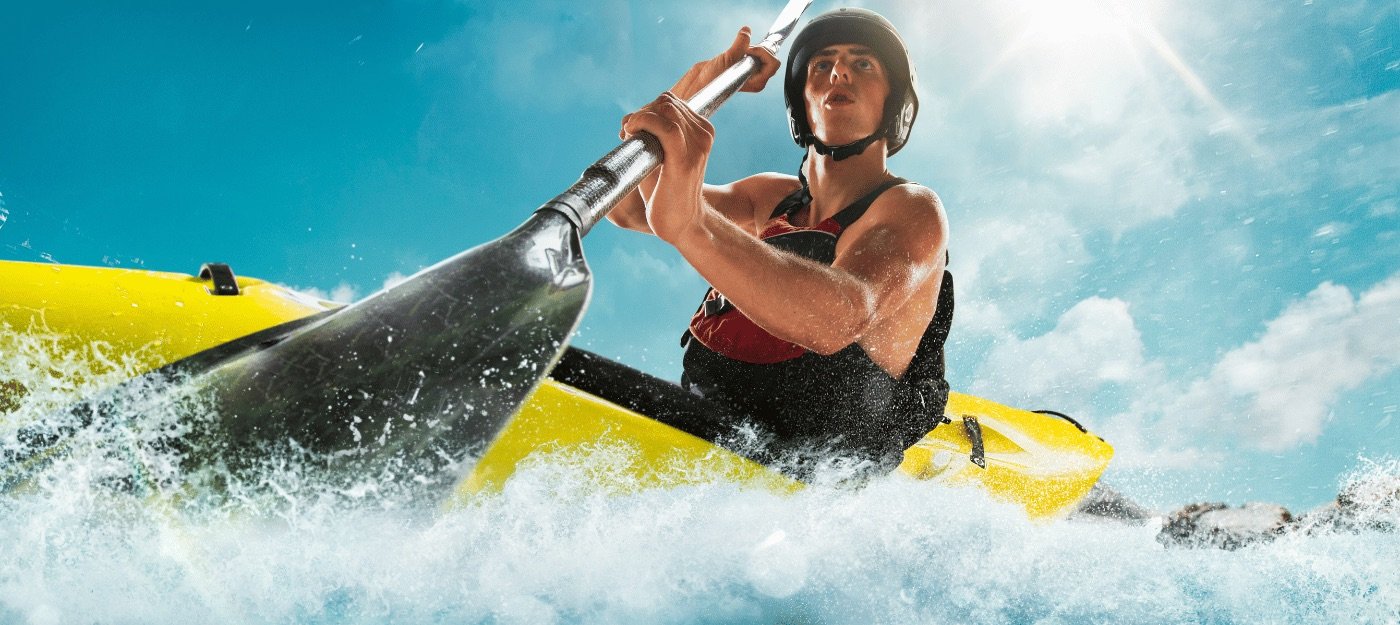
8. Kayaking: A Fun and Fitness-Packed Outdoor Activity
Kayaking is an exciting way to stay fit while enjoying the great outdoors. It offers a combination of cardiovascular exercise and upper body strengthening, making it a favorite among nature lovers and fitness enthusiasts alike.Why Choose Kayaking?
Here are some reasons why kayaking is worth considering for your next outdoor adventure:1. Cardiovascular Conditioning
Kayaking involves rhythmic paddling, which effectively elevates the heart rate and provides a great cardiovascular workout. The continuous paddling motion helps improve endurance and stamina, contributing to overall cardiovascular health.2. Upper Body Strengthening
The primary muscles used in kayaking include the arms, shoulders, back, and chest. This activity helps in building upper body strength and toning muscles in the arms and back.3. Calorie Expenditure
On average, kayaking can burn approximately 350-450 calories per hour, depending on factors such as intensity, paddling speed, and water conditions.
Exercises and Stretches for Kayakers
To complement kayaking sessions and prevent muscle imbalances or injuries, it's beneficial to incorporate exercises that focus on the core, shoulders, and back. Here are some examples:- Core exercises: Plank variations, Russian twists
- Shoulder exercises: Overhead press, lateral raises
- Back exercises: Bent-over rows, Superman pose
- Arm across chest stretch
- Shoulder circles
- Cat-cow stretch
Tips for Beginners
Engaging in kayaking not only provides physical benefits but also allows individuals to immerse themselves in nature and experience the calming effect of being on the water. It's essential for beginners to receive proper instruction on paddling techniques and safety measures before embarking on their kayaking journey.Incorporating Variety Into Your Outdoor Fitness Routine
Diversifying your outdoor fitness routine is essential for maintaining overall physical health and preventing workout plateaus. By engaging in a variety of activities, you can target different muscle groups, improve overall strength, and enhance cardiovascular endurance.Mixing and Matching Activities
Mixing and matching activities from the previous sections can provide a well-rounded approach to outdoor fitness. Here are some ideas:- Hiking
- Skiing/snowboarding
- Stand-up paddleboarding
- Swimming
- Recreational sports
- Inline/roller-skating
- Biking
- Kayaking
The Importance of Variety
Remember that variety is key to long-term adherence to any fitness program. Making outdoor fitness enjoyable by incorporating various activities will help you stay motivated and excited about your workouts."The best workout is the one you enjoy doing." - UnknownSo go ahead, mix it up, and explore the multitude of options available to create a diverse outdoor fitness routine tailored to your interests and goals.
Staying Safe During Outdoor Workouts
When you're working out outside, it's important to make sure you stay safe. Here are some tips to help you have a good and secure experience:General Safety Tips
- Appropriate Footwear: Wear shoes that are strong and give your feet good support. Make sure they're right for the activity you're doing so you don't hurt yourself and can stay balanced.
- Hydration: Drink enough water to keep yourself hydrated. This is especially important if you're exercising for a long time or it's hot outside.
- Weather Awareness: Before you go out, check what the weather will be like and think about any problems it might cause. Dress in a way that will keep you comfortable and safe from things like rain or too much sun.
Extra Precautions for Remote Areas
If you're going to be in a place that's far away from other people, it's a good idea to take some extra steps to be prepared:- Carry Essential Items: Bring some basic things with you, like a small first aid kit, a whistle in case you need to call for help, and any special equipment you might need to survive in an emergency.
Conclusion
Embracing outdoor fitness activities not only improves physical health but also enhances mental well-being. By engaging in these activities, you can experience the following benefits:- Improved cardiovascular endurance and muscular strength
- Increased flexibility and balance
- Boosted mood and reduced stress levels
- Enhanced cognitive function and creativity
- Opportunities for social interaction and connection with nature