




Minerals for Hair Growth: Iron, Zinc, and Selenium Explained
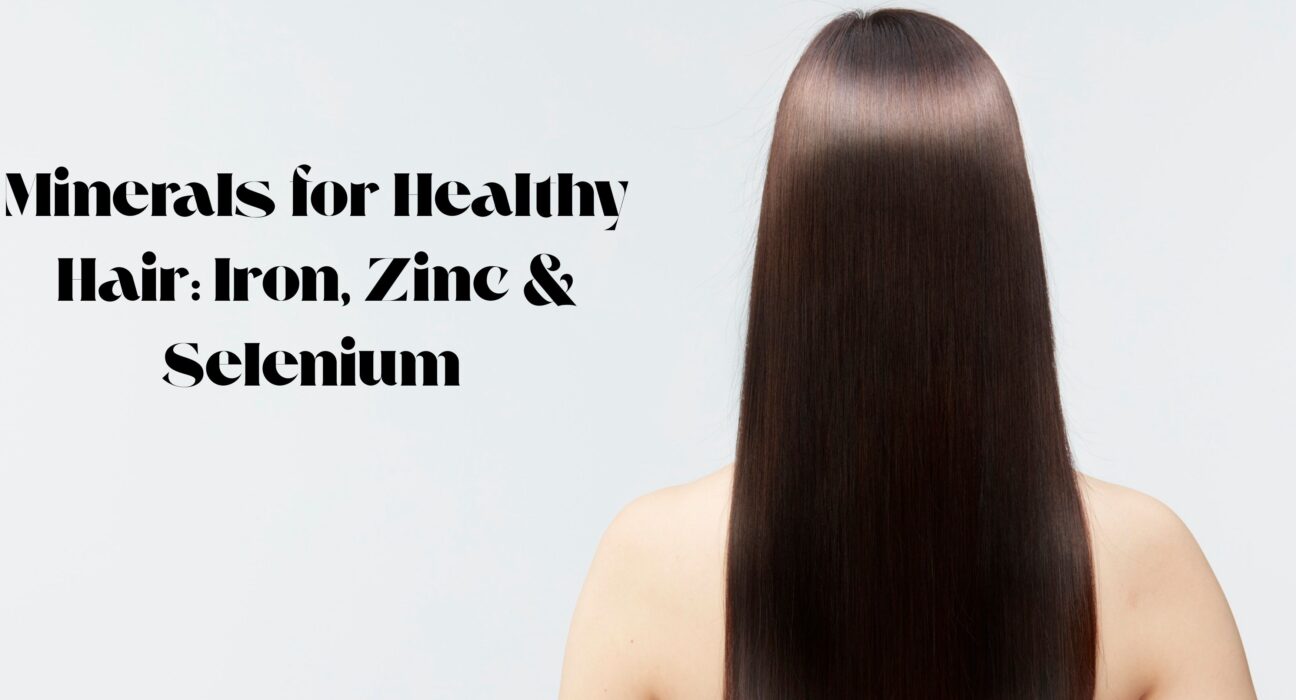
Healthy, strong hair is often seen as a sign of overall wellness. While hair care products and treatments can improve hair appearance, true hair growth starts from within. One of the most overlooked factors behind hair fall, thinning, and slow growth is mineral deficiency.
Minerals play a critical role in nourishing hair follicles, supporting the hair growth cycle, and preventing excessive hair loss. Among them, iron, zinc, and selenium are considered the most essential minerals for hair growth.
In this article, we will explore how minerals for hair growth work, why iron zinc and selenium for hair are so important, how minerals deficiency and hair loss are connected, and how to maintain minerals for healthy hair naturally.
Understanding the Role of Minerals in Hair Growth
Hair growth is a complex biological process. Each strand of hair grows from a follicle that depends on a steady supply of oxygen, nutrients, and minerals. When the body lacks essential minerals, it prioritizes vital organs over hair, which often leads to hair fall.
Essential minerals for hair growth help by:
- Supporting blood circulation to the scalp
- Strengthening hair follicles
- Regulating hormones
- Supporting protein (keratin) production
- Protecting hair from oxidative damage
Without adequate minerals, hair becomes weak, brittle, and prone to shedding.
Minerals Deficiency and Hair Loss: The Hidden Connection
Many people experience hair fall without realizing that the root cause is internal. Minerals deficiency and hair loss often go hand in hand, especially in women.
Common signs that hair loss may be linked to mineral deficiency include:
- Excessive hair shedding
- Thinning hair or widening part
- Slow hair growth
- Weak hair roots
- Dry, dull, or brittle hair
Iron, zinc, and selenium deficiencies are among the most common nutritional causes of hair loss worldwide.
Iron: A Key Mineral for Hair Growth
Why Iron Is Important for Hair?
Iron is responsible for producing hemoglobin, a protein in red blood cells that carries oxygen throughout the body. Hair follicles require oxygen to grow and function properly. When iron levels are low, oxygen supply to the scalp decreases, weakening hair follicles.
This makes iron one of the most essential minerals for hair growth.
Iron Deficiency and Hair Loss
Iron deficiency is one of the leading causes of hair fall, especially in women due to menstruation, pregnancy, and poor dietary intake. A common condition linked to iron deficiency is telogen effluvium, where hair prematurely enters the resting phase and falls out.
Symptoms of iron deficiency include:
- Hair thinning and excessive shedding
- Fatigue and weakness
- Pale skin
- Shortness of breath
How Iron Supports Healthy Hair
Iron helps by:
- Improving blood flow to hair follicles
- Supporting hair growth cycle
- Preventing premature hair shedding
- Strengthening hair roots
Maintaining proper iron levels is essential for minerals for healthy hair.
Zinc: The Mineral That Strengthens Hair Roots
Role of Zinc in Hair Health
Zinc plays a vital role in cell growth, tissue repair, and hormone balance. It directly supports hair follicle function and helps regulate oil glands around hair follicles.
This makes zinc one of the most important minerals for hair growth.
Zinc Deficiency Hair Loss
Zinc deficiency can lead to:
- Increased hair fall
- Weak and brittle hair
- Slow hair regrowth
- Dry or flaky scalp
Low zinc levels disrupt the hair growth cycle, leading to thinning and shedding.
Benefits of Zinc for Hair
Zinc helps hair by:
- Supporting keratin production
- Strengthening hair strands
- Reducing hair breakage
- Supporting scalp health
- Helping hair regrow after shedding
When combined with iron, iron zinc and selenium for hair work synergistically to improve hair strength and density.
Selenium: The Scalp and Hair Protector
Why Selenium Is Important?
Selenium is a trace mineral with powerful antioxidant properties. It protects hair follicles from oxidative stress caused by pollution, stress, and free radicals.
Although needed in small amounts, selenium is a critical part of essential minerals for hair growth.
Selenium Deficiency and Hair Problems
Low selenium levels may lead to:
- Hair thinning
- Increased hair shedding
- Weak hair shafts
- Poor scalp health
Selenium deficiency is less common but can significantly affect hair quality.
How Selenium Supports Hair Growth
Selenium helps by:
- Supporting scalp health
- Protecting hair follicles from damage
- Supporting thyroid function (important for hair growth)
- Reducing inflammation
Together, iron zinc and selenium for hair create a strong foundation for long-term hair health.
How Minerals Work Together for Healthy Hair
Hair growth does not depend on one single nutrient. Minerals for healthy hair work best when balanced. Iron improves oxygen supply, zinc supports hair structure, and selenium protects follicles.
An imbalance in one mineral can affect the absorption or function of others. That’s why focusing on overall mineral balance is more effective than relying on one nutrient alone.
Signs Your Hair Loss Is Due to Mineral Deficiency
You may be experiencing minerals deficiency and hair loss if:
- Hair fall started suddenly
- Hair is thinning evenly across the scalp
- Hair growth has slowed down
- You feel fatigued or weak
- You have brittle nails along with hair fall
Blood tests can help confirm mineral deficiencies, especially iron and zinc.
Best Dietary Sources of Minerals for Hair Growth
A nutrient-rich diet is the safest way to support hair health.
Iron-Rich Foods
- Spinach and leafy greens
- Lentils and beans
- Dates and raisins
- Pumpkin seeds
Zinc-Rich Foods
- Nuts and seeds
- Whole grains
- Dairy products
- Chickpeas
Selenium-Rich Foods
- Brazil nuts (very rich source)
- Sunflower seeds
- Whole grains
- Eggs
Including these foods regularly helps maintain essential minerals for hair growth naturally.
Also Read: Home Remedies: Faster Hair Growth Naturally
Can Supplements Help With Hair Growth?
Supplements may be helpful when dietary intake is insufficient or when a diagnosed deficiency exists. However, excess mineral intake can be harmful, especially selenium.
Before taking supplements for minerals for hair growth, it is always advisable to:
- Get blood tests done
- Follow recommended dosages
- Avoid self-medication
Balanced intake is key to achieving minerals for healthy hair safely.
Lifestyle Factors That Affect Mineral Absorption
Even with a good diet, certain habits can reduce mineral absorption:
- Excessive caffeine consumption
- Poor gut health
- High stress levels
- Smoking and alcohol
Improving lifestyle habits supports better mineral absorption and reduces minerals deficiency and hair loss.
Also Read: Top 10 Hair Growth Tips That Actually Work: A Comprehensive Guide
How Long Does It Take to See Results?
Hair growth is a slow process. Once mineral levels are corrected:
- Reduced hair fall may be noticed in 6–8 weeks
- Visible regrowth may take 3–6 months
- Improved hair thickness may take longer
Consistency is crucial when improving minerals for hair growth.
Final Thoughts
Hair health is deeply connected to internal nutrition. Minerals for hair growth, especially iron zinc and selenium for hair, play a crucial role in maintaining strong, thick, and healthy hair.
Ignoring mineral intake can lead to minerals deficiency and hair loss, while maintaining balanced levels supports long-term hair wellness. A nutrient-rich diet, healthy lifestyle, and proper medical guidance can help restore hair strength naturally.
By understanding and supporting essential minerals for hair growth, you’re not just caring for your hair you’re improving your overall health.
Disclaimer
All content on this website is for general informational, educational, and entertainment purposes only. It is not a substitute for professional advice in any field, including but not limited to health, fitness, nutrition, wellness, finance, legal, technology, or lifestyle.
While we strive for accuracy, we make no guarantees about the completeness, reliability, or suitability of the information. Any action you take based on this content is at your own risk.
Always consult a qualified professional before making decisions related to health, finances, legal matters, or any other specialized area. The website and its authors are not liable for any loss, injury, or damage resulting from use of this information.