




Trekking vs Running for Fitness: Which Burns More Calories in Real Life?
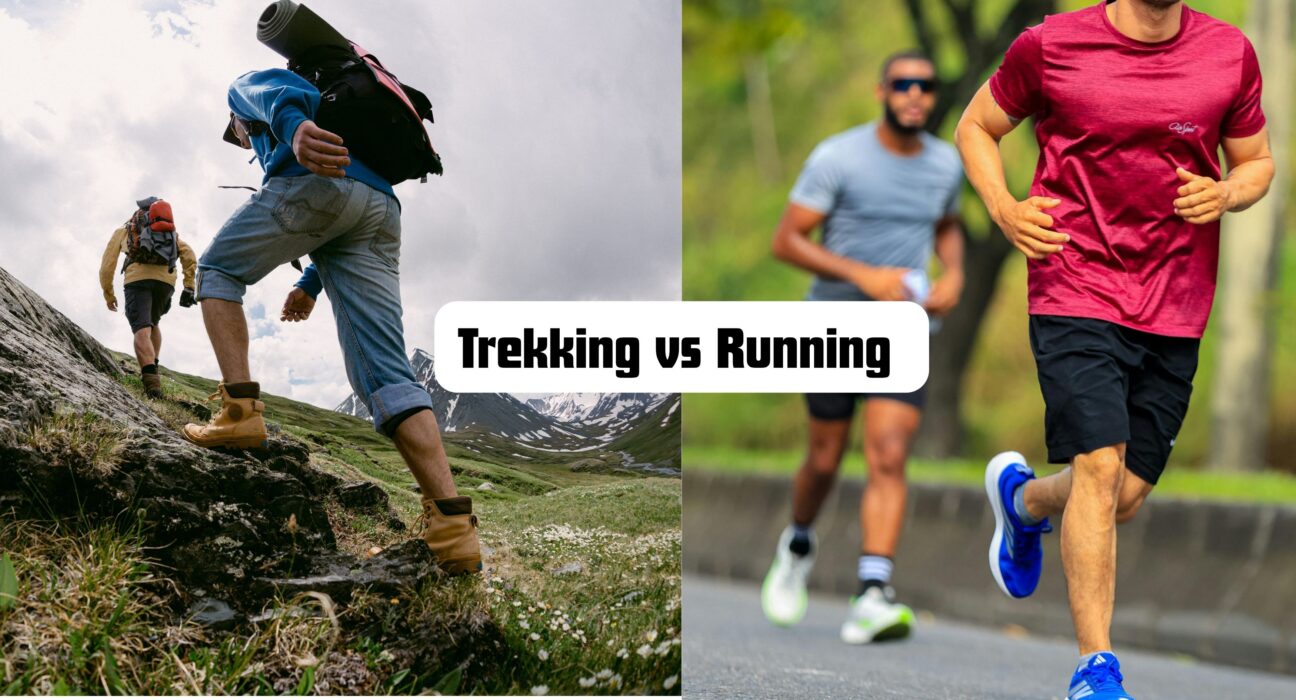
Staying fit doesn’t always require gym memberships or complex workout routines. Outdoor activities like trekking and running have become increasingly popular because they are natural, accessible, and effective. One of the most common fitness debates today is trekking vs running for fitness, especially when calorie burning and weight loss are the main goals.
Running is often seen as a high-intensity calorie-burning exercise, while trekking is considered a slower, endurance-based activity. But real-life fitness is more than just speed and intensity. Factors like duration, terrain, sustainability, injury risk, and mental well-being play a huge role in determining which activity actually burns more calories over time.
This article explores trekking vs running calories burned, explains which burns more calories trekking or running, and helps you understand trekking vs running for weight loss in real-life conditions.
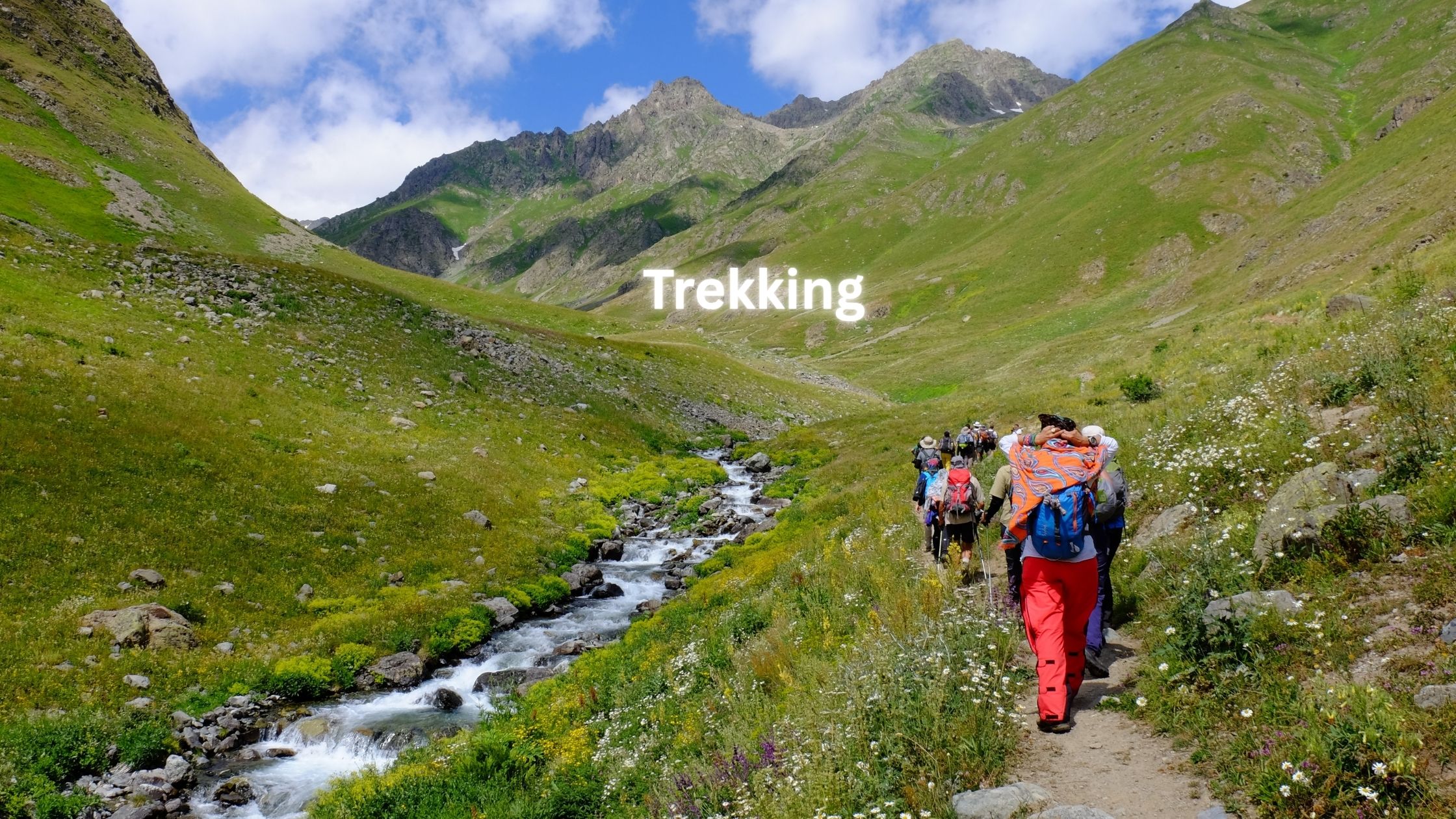
Understanding Trekking as a Fitness Activity
Running is a high-impact cardiovascular exercise that involves continuous forward motion at a faster pace than walking or trekking. It is widely recognized for burning calories quickly and improving heart and lung capacity.
Running primarily targets the lower body while also engaging the core and arms. Because it elevates heart rate rapidly, running leads to a higher calorie burn per minute compared to trekking. This is why it’s often favored by people short on time.
In the comparison of trekking vs running calories burned, running usually wins in short sessions. However, its high-impact nature can lead to fatigue or injury if done excessively. While effective for fitness, running may not be sustainable for everyone, especially beginners or individuals with joint issues.
How Calorie Burn Is Calculated in Real Life
Before comparing calorie burn trekking vs running, it’s important to understand how calorie burn works. Calories burned depend on several real-life factors, not just the activity itself.
Key factors include:
- Body weight
- Exercise duration
- Intensity level
- Terrain and elevation
- Speed and effort
Running burns more calories per minute due to higher intensity. Trekking burns calories steadily over a longer period, especially on slopes or uneven trails. A slow activity done for many hours can sometimes burn more total calories than a short, intense workout.
So when asking which burns more calories trekking or running, the answer depends heavily on time, terrain, and consistency rather than just speed.
Read Also: Common Trekking Mistakes and How to Avoid Them
Trekking vs Running Calories Burned: A Practical Comparison
| Factor | Running | Trekking |
|---|---|---|
| Calories Burned per Hour | 600–900 calories (depends on speed & body weight) | 400–700 calories (depends on terrain & elevation) |
| Typical Session Duration | 30–60 minutes | 3–6 hours |
| Total Calories Burned per Session | Moderate due to shorter duration | High due to long continuous activity |
| Energy Expenditure Pattern | High intensity, fast calorie burn | Moderate intensity, steady calorie burn |
| Fatigue Level | Higher fatigue in shorter time | Lower fatigue, easier to sustain |
| Breaks Required | More frequent rest needed | Fewer breaks, continuous movement |
| Best For | Quick workouts & time-efficient calorie burn | Long-term calorie expenditure & endurance |
| Overall Calorie Burn (Real Life) | Higher per minute | Often higher per session |
Which Burns More Calories Trekking or Running Over Time?
If you’re asking which burns more calories trekking or running, the answer depends on how consistently you can perform each activity.
Running burns more calories in a short time but often requires rest days due to muscle soreness or joint stress. Trekking, being lower impact, allows more frequent and longer sessions with quicker recovery.
Over weeks and months, trekkers may burn more calories overall because they stay active longer and more consistently. This long-term perspective is crucial when evaluating real-life fitness results rather than single workout sessions.
Consistency often outweighs intensity when it comes to calorie burn.
Trekking vs Running for Weight Loss: Key Differences
Weight loss occurs when you consistently burn more calories than you consume. In the comparison of trekking vs running for weight loss, both activities are effective, but they influence the body in different ways. Running is a high-intensity exercise that creates a large calorie deficit in a short time and boosts metabolism even after the workout ends. Trekking, on the other hand, creates a steady calorie deficit over longer durations while putting less stress on the body.
One major difference is appetite control. Trekking tends to keep hunger hormones more stable, whereas intense running can sometimes increase appetite, making calorie control harder for some people. Because trekking is easier to sustain and less exhausting, many people find it more suitable for long-term and sustainable weight loss. While running may show quicker short-term results, trekking often supports consistent fat loss over time.
1. Fat Burning and Energy Utilization
Fat burning depends largely on exercise intensity. Running, especially at higher speeds, relies more on carbohydrates (glycogen) for energy. Trekking, performed at a moderate intensity, uses a higher percentage of fat as fuel. This makes trekking particularly effective for people aiming to reduce body fat rather than improve speed or performance.
In the context of trekking vs running for fitness, trekking supports fat oxidation over long periods, while running improves cardiovascular efficiency and metabolic rate. Both enhance overall metabolism, but trekking is often better suited for sustained fat burning with lower physical strain.
2. Muscle Engagement, Joints, and Injury Risk
Running mainly strengthens the lower body and cardiovascular system. Trekking engages a wider range of muscles due to uneven terrain and balance requirements, including the core, glutes, hips, and stabilizing muscles. This leads to better functional strength and coordination.
Joint impact is another key difference. Running involves repetitive high-impact movements that can stress the knees, hips, and ankles. Trekking is lower impact and gentler on joints, making it suitable for beginners, older adults, and those with joint concerns. Fewer injuries mean fewer missed workouts, which positively affects calorie burn trekking vs running over time.
3. Mental Health, Recovery, and Lifestyle Fit
Trekking often takes place in natural environments, which reduces stress, improves mood, and boosts motivation. Running also benefits mental health, but its repetitive nature and intensity can sometimes lead to burnout. Trekking usually allows faster recovery, less muscle soreness, and more frequent activity.
Lifestyle compatibility plays a major role in which burns more calories trekking or running in real life. Running fits busy schedules, while trekking suits longer sessions like weekends. Ultimately, the most effective activity is the one you can enjoy and maintain consistently.
Read Also : Top 10 Himalayan Treks in India
Final Thoughts
So, which burns more calories trekking or running? In short sessions, running burns more calories per minute. Over long durations and consistent routines, trekking can burn equal or even more calories.
Trekking vs running for weight loss depends on sustainability, injury risk, and enjoyment. Real-life fitness success comes from consistency, not intensity alone.
Both activities offer excellent health benefits. The best choice is the one you can stick with—week after week, month after month.
Disclaimer
All content on this website is for general informational, educational, and entertainment purposes only. It is not a substitute for professional advice in any field, including but not limited to health, fitness, nutrition, wellness, finance, legal, technology, or lifestyle.
While we strive for accuracy, we make no guarantees about the completeness, reliability, or suitability of the information. Any action you take based on this content is at your own risk.
Always consult a qualified professional before making decisions related to health, finances, legal matters, or any other specialized area. The website and its authors are not liable for any loss, injury, or damage resulting from use of this information.