





Best Time to Consume Protein: Morning vs Night – What Works Best?
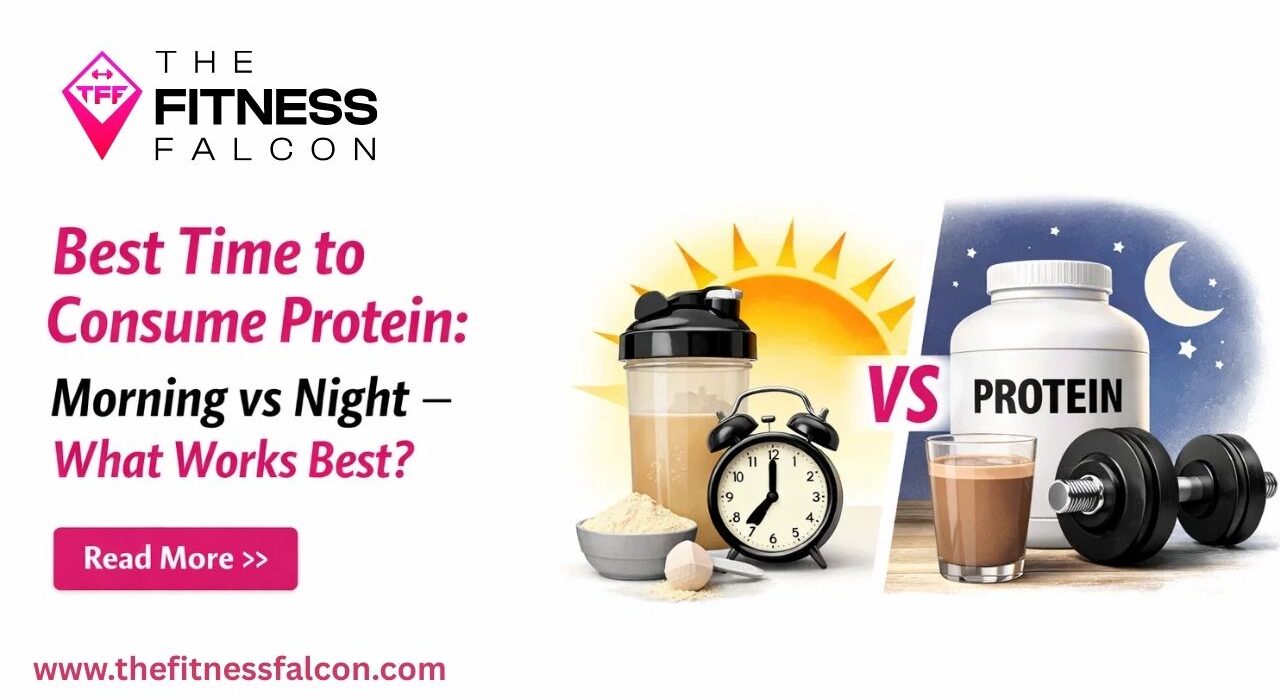
Protein is one of the most essential nutrients for building muscle, supporting fat loss, and maintaining overall health. Yet one of the most common questions in fitness and nutrition is: when is the best time to consume protein—morning or night? Some believe protein should be consumed early in the day, while others swear by nighttime protein for muscle recovery.
The truth is, protein timing matters—but not in the way most people think. Rather than choosing one “perfect” time, understanding how your body uses protein at different times of the day can help you make smarter nutrition decisions. In this blog, we break down the benefits of consuming protein in the morning versus at night and explain what actually works best for your goals.
Why Protein is Important for the Body
Protein plays a vital role in almost every function of the body. It helps:
-
Build and repair muscles
-
Support metabolism and fat loss
-
Keep you full for longer
-
Maintain hormone balance
-
Improve recovery after workouts
Without adequate protein intake, muscle loss, fatigue, slow recovery, and poor body composition become common issues.
Morning Protein Intake: Benefits and Impact
Consuming protein in the morning sets the tone for your entire day.
Benefits of Eating Protein in the Morning
1. Improves Satiety and Reduces Cravings
A protein-rich breakfast helps control hunger hormones, keeping you full for longer and reducing unhealthy snacking later in the day.
2. Supports Muscle Maintenance
After overnight fasting, your body benefits from protein to prevent muscle breakdown and kickstart muscle repair.
3. Boosts Metabolism
Protein has a higher thermic effect than carbs or fats, meaning your body burns more calories digesting it.
4. Improves Energy and Focus
Balanced protein intake in the morning stabilizes blood sugar levels, improving mental clarity and sustained energy.
Best Morning Protein Sources
-
Greek yogurt or curd
-
Eggs or egg whites
-
Paneer or tofu
-
Protein smoothies
-
Nuts and seeds
A protein-rich breakfast is especially helpful for fat loss and appetite control.
Also Read: High-Protein Plant Foods for Fitness & Health
Nighttime Protein Intake: Benefits and Impact
Nighttime protein consumption has gained popularity, especially among people focused on muscle building and recovery.
Benefits of Eating Protein at Night
1. Supports Muscle Recovery During Sleep
During sleep, the body repairs muscle tissue. Consuming protein at night provides amino acids needed for recovery and growth.
2. Prevents Muscle Breakdown
A slow-digesting protein source before bed helps maintain muscle protein synthesis overnight.
3. Improves Training Adaptation
For people who train in the evening, nighttime protein supports better recovery from workouts.
4. Helps Meet Daily Protein Requirements
For those struggling to hit daily protein goals, nighttime intake can be helpful.
Best Night Protein Sources
-
Cottage cheese or paneer
-
Casein protein
-
Greek yogurt
-
Tofu or soy products
Avoid heavy or high-sugar protein options close to bedtime.
Does Protein at Night Cause Fat Gain?
One of the biggest myths is that eating protein at night leads to fat gain.
The Truth:
Fat gain depends on total calorie intake, not the time you eat protein. If your overall calorie intake is controlled, protein at night does not cause weight gain.
In fact, protein at night may:
-
Improve recovery
-
Reduce late-night cravings
-
Support lean muscle mass
The key is portion control and choosing the right protein sources.
Morning vs Night Protein: Which is Better?
The best time to consume protein depends on your goals and lifestyle.
If Your Goal is Fat Loss:
-
Prioritize protein in the morning
-
Spread protein evenly across meals
-
Avoid skipping breakfast
If Your Goal is Muscle Building:
-
Consume protein post-workout
-
Include protein at night for recovery
-
Focus on total daily protein intake
If Your Goal is General Fitness:
-
Distribute protein evenly throughout the day
-
Avoid relying on a single meal
Also Read: What is Protein and Types of Protein What Do They Do?
The Most Important Factor: Total Daily Protein Intake
While timing matters, total daily protein intake matters more.
Most people should aim for:
-
0.8–1g per kg for general health
-
1.2–1.6g per kg for active individuals
-
1.6–2.2g per kg for muscle gain
Evenly distributing protein across meals supports better muscle synthesis and recovery.
Common Protein Timing Mistakes
Avoid these common errors:
-
Skipping protein at breakfast
-
Consuming all protein in one meal
-
Relying only on supplements
-
Ignoring whole food protein sources
Consistency beats perfect timing.
Best Strategy for Protein Consumption
The most effective protein strategy includes:
-
Protein at every major meal
-
Post-workout protein
-
Optional slow-digesting protein at night
-
Balanced nutrition overall
This approach supports muscle, metabolism, and long-term health.
Final Thoughts: Morning or Night—What’s Best?
There is no single “best” time to consume protein. Both morning and night protein intake offer unique benefits. What truly matters is meeting your daily protein needs and spreading intake throughout the day.
At The Fitness Falcon, we believe smart nutrition is about balance, consistency, and understanding your body—not rigid rules.
Focus on your goals, fuel your body wisely, and let results follow.
Disclaimer
All content on this website is for general informational, educational, and entertainment purposes only. It is not a substitute for professional advice in any field, including but not limited to health, fitness, nutrition, wellness, finance, legal, technology, or lifestyle.
While we strive for accuracy, we make no guarantees about the completeness, reliability, or suitability of the information. Any action you take based on this content is at your own risk.
Always consult a qualified professional before making decisions related to health, finances, legal matters, or any other specialized area. The website and its authors are not liable for any loss, injury, or damage resulting from use of this information.