




How to Choose the Right Running Shoes for Flat Feet
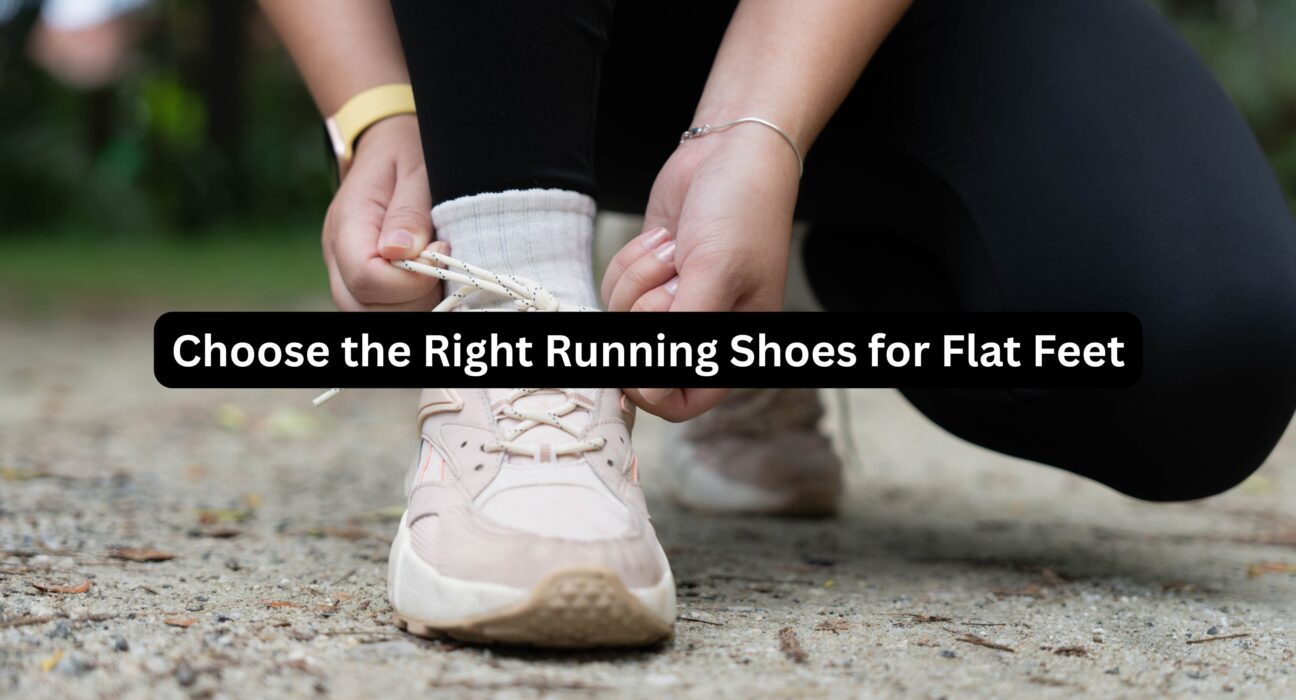
Running is a simple and effective way to stay fit, but for people with flat feet, it can sometimes lead to discomfort or strain. Flat feet, also known as fallen arches, can affect how the foot absorbs shock and maintains balance during movement. Without proper support, runners may experience issues such as overpronation, heel pain, shin splints, or knee stress. This is why choosing the best running shoes for flat feet can help with comfort, but no shoe can guarantee injury prevention.
The good news is that selecting the right running shoes can significantly improve comfort, stability, and overall performance. Shoes designed with proper cushioning, arch support, and stability features help reduce stress on your feet and joints. In this guide, we’ll explain how to choose running shoes for flat feet, highlight essential features to look for, and help you find options that match your running needs, comfort preferences, and budget for a smoother, safer running experience.
Understanding Flat Feet and Running Mechanics
Flat feet occur when the arches of the feet collapse or never fully develop. When standing, most or all of the foot makes contact with the ground. While flat feet are common and not always problematic, they often influence gait mechanics particularly pronation.
Pronation refers to how your foot rolls inward when you walk or run. A certain degree of pronation is natural, but flat-footed runners tend to experience overpronation, where the foot rolls excessively inward. This can place added stress on the ankles, knees, hips, and lower back.
Because of this altered biomechanics, footwear becomes critically important.
Do Flat Feet Need Stability Shoes?
A frequently asked question is: do flat feet need stability shoes?
In many cases, yes—but not always.
Stability shoes are designed to limit excessive inward rolling of the foot. They provide structured support through firmer midsoles and medial (inner-side) reinforcement. These features help align the foot and reduce strain during movement.
However, not every person with flat feet requires heavy stability control. The ideal shoe depends on:
- Severity of overpronation
- Running distance and frequency
- Body weight
- Comfort preferences
- Injury history
Some runners with mild flat feet may feel comfortable in neutral shoes with good cushioning, while others benefit significantly from structured stability designs.
Also Read: Trekking vs Running for Fitness: Which Burns More Calories in Real Life?
Why Proper Shoes Matter for Flat Feet
Wearing unsuitable running shoes can contribute to:
- Foot fatigue
- Arch and heel pain
- Shin splints
- Plantar fasciitis
- Knee misalignment
- Lower back stress
The right shoes help distribute impact forces evenly, encourage smoother transitions, and provide shock absorption where flat-footed runners need it most.
Running Shoe Features for Flat Feet
When evaluating footwear, understanding essential running shoe features for flat feet can simplify your decision.
1. Stability or Motion Control Support
These shoes include:
- Medial posts (firmer foam on inner midsole)
- Guide rails
- Dual-density midsoles
- Reinforced arch zones
They help prevent excessive inward foot collapse.
Best for: Moderate to severe overpronation
2. Firm Midsole Structure
Flat feet often require a balance of cushioning and firmness. Shoes that are too soft may worsen instability.
Look for midsoles offering:
- Responsive cushioning
- Structured support
- Moderate firmness
3. Arch Support (But Not Excessive)
Contrary to popular belief, extreme arch support is not always ideal. Comfort and natural alignment matter more than aggressive correction.
4. Wide Base and Platform
A wider outsole improves stability and balance, especially during landing.
5. Good Cushioning
Shock absorption reduces joint stress, particularly for:
- Heel strikers
- Long-distance runners
- Heavier runners
6. Heel Counter Support
A firm heel counter (back of the shoe) enhances rearfoot stability.
7. Flexibility in the Right Areas
Shoes should flex naturally at the forefoot but remain supportive through the midfoot.
How to Choose Running Shoes for Flat Feet
Now let’s break down how to choose running shoes for flat feet step by step.
Step 1: Know Your Pronation Type
Visit a specialty running store or observe wear patterns on old shoes:
- Excessive inner sole wear → likely overpronation
- Even wear → neutral gait
Many stores offer gait analysis for accurate assessment.
Step 2: Identify Comfort First
No matter how “technically perfect” a shoe is, discomfort is a deal-breaker. Try shoes on and walk or jog briefly.
Check for:
- No pinching or pressure points
- Snug but not tight fit
- Stable heel lockdown
Step 3: Choose Stability Level Wisely
- Mild overpronation → Light stability
- Moderate overpronation → Stability shoes
- Severe overpronation → Motion control shoes
Step 4: Consider Running Surface
- Road running → Cushioning + stability
- Trail running → Grip + structure
- Treadmill → Balanced comfort
Step 5: Match Shoe to Running Goals
- Beginners → Cushioning + comfort
- Long-distance → Shock absorption + durability
- Speed workouts → Lightweight stability
Step 6: Don’t Ignore Fit and Width
Flat-footed runners often benefit from:
- Wide or extra-wide sizing
- Spacious toe box
Best Running Shoes for Flat Feet Beginners
If you’re new to running, shoe selection becomes even more important. The best running shoes for flat feet beginners should focus on comfort, moderate support, and injury prevention.
Key priorities for beginners:
- Balanced cushioning
- Gentle stability
- Comfortable upper
- Versatile design
Avoid overly stiff or aggressive motion-control shoes unless necessary.
Top Running Shoes For Flat Feet
Choosing the Best Running Shoes For Flat Feet becomes much easier when you know which brands and models consistently deliver comfort, support, and stability. Below are some of the most trusted and high-performing options available today, perfect whether you’re a beginner, intermediate runner, or hitting longer distances.
Best Running Shoes for Flat Feet and Overpronation
For runners dealing with significant inward foot rolling, choosing the best running shoes for flat feet and overpronation is essential.
These typically offer:
- Strong medial support
- Guide rail systems
- Structured midfoot control
- Durable cushioning
Affordable Running Shoes for Flat Feet
Quality footwear doesn’t always require a premium price tag. There are several affordable running shoes for flat feet that deliver excellent support and comfort.
Tips for budget-friendly shopping:
- Look for previous-year models
- Shop seasonal sales
- Compare mid-range stability shoes
- Prioritize fit over brand prestige
Even moderately priced shoes can provide adequate cushioning and stability when chosen correctly.
Should You Use Orthotics?
Some flat-footed runners benefit from custom or over-the-counter orthotics, especially if experiencing:
- Persistent pain
- Severe overpronation
- Arch discomfort
- Recurring injuries
Orthotics can enhance support but should complement not replace proper footwear.
Also Read: Running Affects Belly Fat and Metabolism: How Running Burns Fat Effectively
Final Thoughts
Running with flat feet doesn’t have to be uncomfortable. With the right knowledge and shoe selection, you can enjoy smooth, pain-free runs. Understanding running shoe features for flat feet, assessing pronation levels, and learning how to choose running shoes for flat feet empowers you to make smarter buying decisions.
Whether you’re searching for the best running shoes for flat feet beginners, supportive options for overpronation, or affordable running shoes for flat feet, the goal remains the same: stability and comfort; injury risk also depends on training load and individual factors. A comfortable pair can support your running; persistent pain deserves individual advice from a qualified clinician.
Disclaimer
All content on this website is for general informational, educational, and entertainment purposes only. It is not a substitute for professional advice in any field, including but not limited to health, fitness, nutrition, wellness, finance, legal, technology, or lifestyle.
While we strive for accuracy, we make no guarantees about the completeness, reliability, or suitability of the information. Any action you take based on this content is at your own risk.
Always consult a qualified professional before making decisions related to health, finances, legal matters, or any other specialized area. The website and its authors are not liable for any loss, injury, or damage resulting from use of this information.