




Hair Growth vs Hair Thickness: Why Length Isn’t Increasing
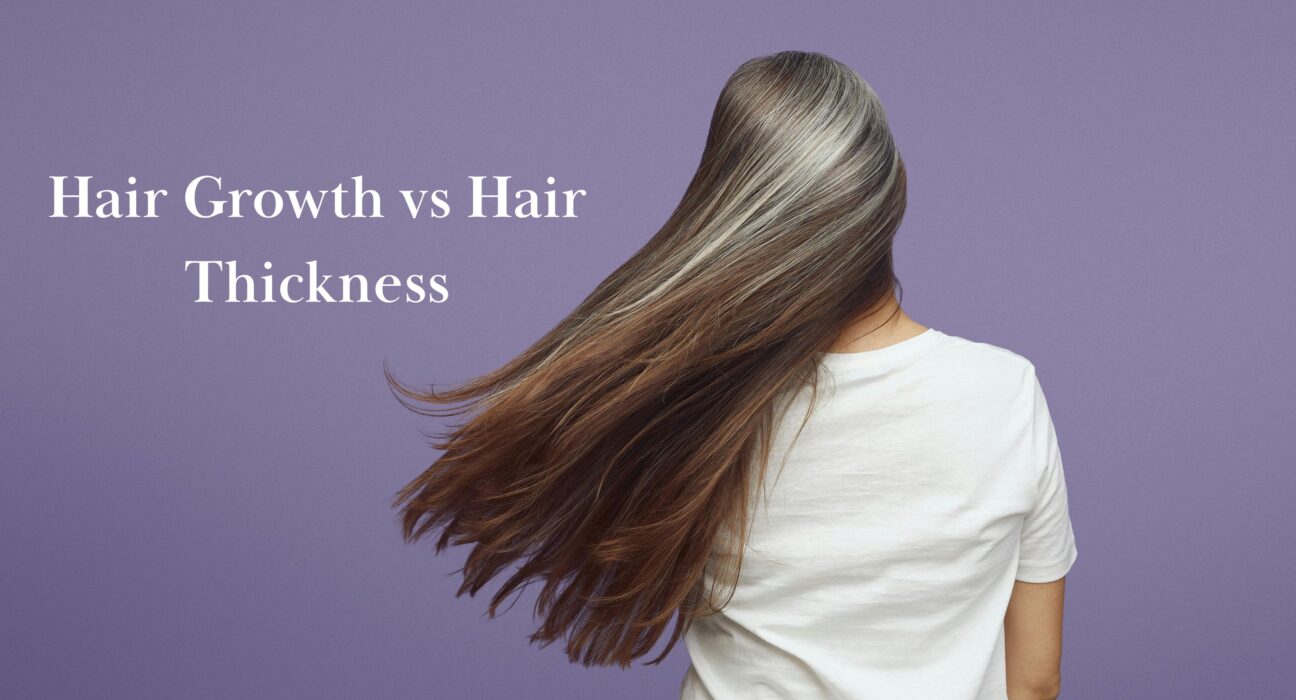
Many people feel frustrated when their hair seems healthy and full, yet hair length isn’t increasing. You may notice regular shedding, good volume, or even new baby hairs but still think, “Why is my hair not growing in length?”
The answer often lies in understanding the difference between hair growth and hair thickness. These two concepts are related but not the same. You can experience hair growth but no length if underlying factors are affecting your hair cycle, ends, or overall scalp health.
Hair growth refers to new strands forming at the scalp, while thickness determines how strong those strands are. When hair is weak, thin, or damaged, it breaks faster than it grows, leading to hair growth but no length. This article explains the difference between hair growth and hair thickness, common reasons behind hair not growing in length, and practical solutions to help you retain length over time.
Understanding Hair Growth: How Hair Actually Grows
Hair growth is a biological process that occurs beneath the scalp and follows a natural cycle. Many people assume hair grows continuously, but in reality, each strand goes through phases that determine how long it can grow. When this cycle is disrupted, you may experience hair growth but no length, even though follicles remain active. Understanding this process helps explain why hair length isn’t increasing despite visible signs of growth. Hair growth speed, cycle duration, and follicle health all play a role in whether hair reaches longer lengths. Without a healthy growth phase, strands shed or weaken before length becomes noticeable, contributing to the confusion between hair growth vs hair thickness.
Hair grows from follicles in the scalp and follows a natural cycle:
1. Anagen Phase (Growth Phase)
- Lasts 2–7 years
- Hair actively grows about 1–1.5 cm per month
- The longer this phase lasts, the longer your hair can grow
2. Catagen Phase (Transition Phase)
- Lasts a few weeks
- Hair growth slows and follicle shrinks
3. Telogen Phase (Resting Phase)
- Lasts 2–3 months
- Hair eventually sheds and new hair replaces it
If your hair spends less time in the anagen phase, hair length isn’t increasing, even though growth is technically happening.
Also Read: Home Remedies: Faster Hair Growth Naturally
Hair Growth vs Hair Thickness: Key Differences Explained
Many people use the terms hair growth and hair thickness interchangeably, but they describe two very different things. Understanding the difference between hair growth and hair thickness is crucial when hair seems stuck at the same length. Hair growth refers to new hair production at the scalp, while thickness refers to the diameter and strength of each strand. You can have active growth while still experiencing breakage, which leads to hair growth but no length. Thin hair strands are more fragile and prone to damage, making it harder for them to retain length. This is why focusing only on growth products may not solve the problem of why hair length isn’t increasing.
Hair Growth
Refers to:
- New hair forming from follicles
- Baby hairs around the hairline or crown
- Active follicles producing strands
You can have hair growth even if your hair is not growing in length.
Hair Thickness
Refers to:
- Diameter of each hair strand
- Overall density and fullness
- Strength of the hair fiber
Thicker hair often looks healthier and longer because it breaks less.
Why Hair Length Isn’t Increasing Even When Hair Is Growing?
If you constantly wonder why hair length isn’t increasing, the answer usually lies in length retention rather than growth speed. Hair can grow at a normal rate but still appear stagnant if it breaks at the ends. Environmental damage, styling habits, and internal health all affect whether hair can hold onto new growth. This is one of the most common reasons for hair growth but no length. When hair is unable to survive long enough to show visible length, the growth process feels ineffective. Identifying these causes helps bridge the gap between hair growth vs hair thickness and explains why hair may stop getting longer.
Common causes include:
- Breakage
- Excessive shedding
- Thin hair structure
- Poor scalp health
- Nutritional gaps
Breakage: The Biggest Reason Hair Is Not Growing in Length
Breakage is the leading cause of hair not growing in length, even when hair growth is active. Hair that is dry, damaged, or chemically treated breaks faster than it can grow. This creates the illusion that hair has stopped growing altogether. In reality, new hair forms at the scalp, but ends snap off before length becomes noticeable. This is a classic example of hair growth but no length. Breakage also highlights the importance of hair thickness stronger strands survive daily wear and tear better. Without addressing breakage, improving hair growth alone will not solve the issue.
Common breakage triggers:
- Heat styling
- Rough brushing
- Tight hairstyles
- Split ends
- Lack of moisture
Thin Hair and the Role of Hair Thickness
Hair thickness plays a critical role in determining whether hair can grow long. Thin hair strands are naturally more fragile and prone to snapping, which directly affects length retention. This explains the difference between hair growth and hair thickness clearly—hair may grow normally, but thin strands cannot hold length. People with fine hair often experience hair growth but no length, even with good scalp health. Strengthening the hair shaft improves durability, reduces breakage, and allows hair to grow longer over time. Improving thickness is often the missing step when hair length isn’t increasing.
Scalp Health and Its Impact on Hair Length
A healthy scalp provides the foundation for strong, long hair. When the scalp is irritated, clogged, or inflamed, hair growth may occur, but the strands produced are often weak. This contributes to hair growth but no length. Poor circulation, buildup, or dandruff can shorten the growth phase and weaken roots. Scalp care is often overlooked in the discussion of hair growth vs hair thickness, yet it directly affects both. Maintaining scalp health ensures that hair grows stronger and survives long enough to show visible length.
Nutrition and Internal Factors Affecting Hair Length
Hair health depends heavily on internal nutrition. Even with good external care, deficiencies can cause hair not growing in length. Protein, iron, biotin, zinc, and vitamins play a key role in strengthening hair strands. When the body lacks these nutrients, hair grows thinner and weaker, leading to breakage. This explains why some people experience hair growth but no length despite using multiple hair products. Supporting both hair growth and thickness from within is essential for long-term results.
How to Fix Hair Growth but No Length?
Solving the issue of hair growth but no length requires a balanced approach. Instead of focusing only on growth, you must protect existing hair. Length retention is the key to visible results. Strengthening hair thickness, reducing breakage, and maintaining scalp health work together to support longer hair. When these factors are aligned, the confusion around hair growth vs hair thickness disappears, and length becomes more noticeable over time.
1. Focus on Length Retention
Instead of only boosting growth, protect the hair you already have.
- Regular trims (every 8–12 weeks)
- Micro-trimming split ends
- Avoid aggressive brushing
2. Improve Hair Thickness Naturally
To address the difference between hair growth and hair thickness, focus on strengthening strands.
- Use protein-rich hair masks
- Apply natural oils (castor, coconut, argan)
- Avoid over-washing
3. Gentle Hair Care Routine
- Sulfate-free shampoo
- Conditioner every wash
- Wide-tooth comb on wet hair
- Silk or satin pillowcases
These steps reduce breakage and help hair grow longer over time.
4. Reduce Heat Styling
Excess heat weakens the hair shaft, causing hair not growing in length.
If you must style:
- Use heat protectant
- Keep temperature low
- Limit to once or twice a week
5. Nourish Hair From Within
Healthy hair growth depends on internal nutrition.
Include:
- Eggs, nuts, seeds
- Leafy greens
- Fruits rich in vitamin C
- Adequate water intake
This supports both hair growth and thickness.
Final Thoughts
Understanding hair growth vs hair thickness is essential if your hair length isn’t increasing. Hair may be growing at the roots, but without strength and protection, it cannot retain length. The real solution lies in strengthening hair thickness, reducing breakage, and supporting the scalp and body. When growth and retention work together, hair not growing in length becomes a temporary issue rather than a permanent concern. With consistent care, patience, and the right habits, visible length is achievable.
Disclaimer
All content on this website is for general informational, educational, and entertainment purposes only. It is not a substitute for professional advice in any field, including but not limited to health, fitness, nutrition, wellness, finance, legal, technology, or lifestyle.
While we strive for accuracy, we make no guarantees about the completeness, reliability, or suitability of the information. Any action you take based on this content is at your own risk.
Always consult a qualified professional before making decisions related to health, finances, legal matters, or any other specialized area. The website and its authors are not liable for any loss, injury, or damage resulting from use of this information.