





How to Fix a Damaged Skin Barrier in 48 Hours: A Complete Science-Backed Recovery Guide
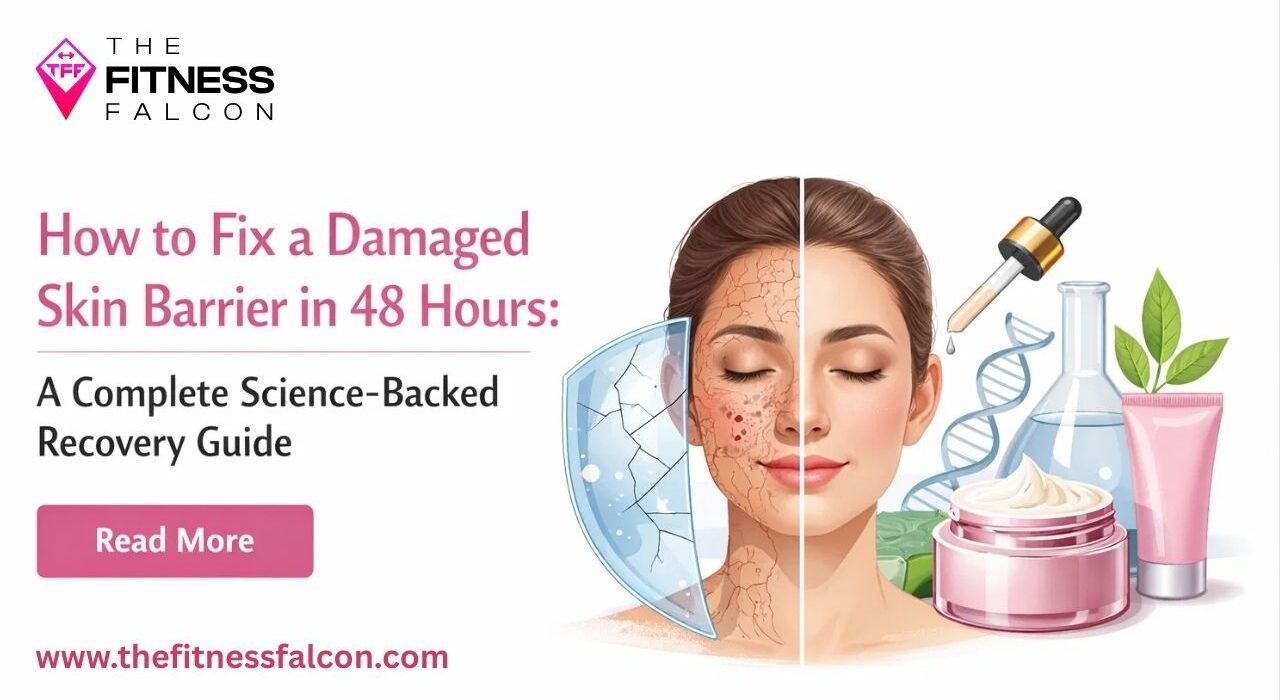
If your skin suddenly feels burning, tight, red, flaky, or unusually sensitive, it’s not random. These are classic signs of a damaged skin barrier—a problem that has become incredibly common due to over-exfoliation, active overload, harsh skincare routines, stress, and environmental damage.
While rebuilding a skin barrier completely takes time, you can significantly calm inflammation, stop further damage, and jump-start repair within 48 hours if you follow the right approach.
This guide explains what actually works, what to stop immediately, and how to help your skin heal faster—without causing more harm.
What is the Skin Barrier?
The skin barrier, also called the moisture barrier or stratum corneum, is the outermost layer of your skin. It acts like a protective wall, keeping hydration in and harmful elements out.
Think of it like this:
-
Skin cells = bricks
-
Lipids (ceramides, cholesterol, fatty acids) = cement
When this structure is intact, your skin stays smooth, resilient, and balanced. When it’s damaged, moisture escapes rapidly and irritants penetrate easily—leading to inflammation and sensitivity.
Why a Healthy Skin Barrier Matters
A strong skin barrier:
-
Prevents excessive water loss (TEWL)
-
Protects against bacteria, allergens, and pollution
-
Keeps skin calm, hydrated, and even-toned
-
Reduces breakouts and sensitivity
A compromised barrier leads to chronic dryness, redness, acne flare-ups, premature aging, and reactive skin.
Signs of a Damaged Skin Barrier
You may have a compromised skin barrier if you notice:
-
Sudden redness or flushing
-
Burning or stinging sensation
-
Tightness even after moisturizing
-
Flaking or peeling skin
-
Products that once worked now irritate
-
Increased breakouts on dry skin
-
Makeup looking patchy or cakey
These are strong signals your skin barrier needs repair.
Common Causes of Skin Barrier Damage
1. Over-Exfoliation
Using AHAs, BHAs, PHAs, scrubs, or exfoliating tools too frequently strips essential lipids.
2. Excessive Actives
Retinol, vitamin C, benzoyl peroxide, and acne treatments weaken the barrier when layered incorrectly.
3. Harsh Cleansers
Foaming, sulfate-based cleansers disrupt the skin’s natural pH.
4. Environmental Stress
Sun exposure, pollution, cold air, and dry climates accelerate barrier breakdown.
5. Lifestyle Factors
Stress, poor sleep, dehydration, and inadequate nutrition slow skin repair.

Can You Really Fix a Damaged Skin Barrier in 48 Hours?
Let’s set realistic expectations.
You cannot completely rebuild your skin barrier in two days. However, within 48 hours, you can:
-
Reduce redness and burning
-
Restore hydration levels
-
Prevent further moisture loss
-
Calm sensitivity and inflammation
-
Create an ideal environment for healing
This is often enough to make skin feel dramatically better.
Step 1: What to Stop Immediately
The first step in damaged skin barrier repair is stopping the damage.
Avoid these entirely:
-
Chemical exfoliants (AHA, BHA, PHA)
-
Retinol and retinoids
-
Vitamin C (especially L-ascorbic acid)
-
Alcohol-based toners
-
Fragrance and essential oils
-
Clay, charcoal, peel-off masks
Continuing these will reset healing progress to zero.
48-Hour Skin Barrier Repair Routine
Day 1: Emergency Reset
Morning
-
Rinse face with lukewarm water or use a gentle, non-foaming cleanser
-
Apply a hydrating serum (optional)
-
Use a ceramide-rich moisturizer
-
Apply mineral sunscreen
Evening
-
Cleanse gently (no double cleanse)
-
Apply a thick barrier repair moisturizer
-
Seal with an occlusive if needed
Day 2: Stabilization Phase
Morning
-
Cleanse lightly
-
Hydrate and moisturize
-
Sunscreen without fail
Evening
-
Cleanse
-
Moisturize generously
-
Optional occlusive layer
By the end of day two, most people notice reduced redness, less burning, and improved comfort.
Best Ingredients for Damaged Skin Barrier Repair
Ceramides
Essential lipids that restore the skin’s natural structure.
Niacinamide (2–5%)
Reduces inflammation, strengthens barrier function, and improves hydration.
Panthenol (Vitamin B5)
Soothes irritation and accelerates skin repair.
Hyaluronic Acid
Hydrates deeply without clogging pores when layered correctly.
Cholesterol & Fatty Acids
Mimic the skin’s natural lipid composition.
Ingredients to Avoid Until Barrier Heals
-
Alcohol denat
-
Fragrance
-
Menthol or eucalyptus
-
High-strength acids
-
Physical scrubs
Even “mild” irritation can slow healing.
Minimal Skincare Routine for Healing Skin
AM
-
Gentle cleanser
-
Barrier repair moisturizer
-
Mineral sunscreen
PM
-
Gentle cleanser
-
Moisturizer
-
Occlusive (optional)
A minimal skincare routine allows skin to repair itself faster.
Lifestyle Tips That Speed Up Skin Barrier Healing
-
Drink enough water
-
Sleep 7–9 hours
-
Eat healthy fats (nuts, seeds, avocado)
-
Avoid hot water on face
Skin repair is not just topical—it’s internal.
How Long Does Skin Barrier Repair Take?
-
48 hours: inflammation reduces
-
3–7 days: sensitivity decreases
-
2–4 weeks: barrier rebuilds fully
Consistency matters more than products.
Mistakes That Delay Healing
-
Reintroducing actives too soon
-
Product hopping
-
Overwashing
-
Skipping sunscreen
-
Expecting overnight miracles
When to See a Dermatologist
Seek professional help if:
-
Burning persists
-
Skin cracks or oozes
-
You have rosacea or eczema
-
Symptoms worsen
Final Thoughts
Repairing a damaged skin barrier isn’t about using stronger products—it’s about doing less and protecting your skin. By simplifying your routine, avoiding harsh actives, and focusing on hydration and barrier-repair ingredients, you can calm irritation and support healing within 48 hours. While full recovery takes time, consistency with a minimal skincare routine helps restore balance, reduce sensitivity, and strengthen your skin in the long run. Give your skin the support it needs, and it will gradually repair itself.
Disclaimer
All content on this website is for general informational, educational, and entertainment purposes only. It is not a substitute for professional advice in any field, including but not limited to health, fitness, nutrition, wellness, finance, legal, technology, or lifestyle.
While we strive for accuracy, we make no guarantees about the completeness, reliability, or suitability of the information. Any action you take based on this content is at your own risk.
Always consult a qualified professional before making decisions related to health, finances, legal matters, or any other specialized area. The website and its authors are not liable for any loss, injury, or damage resulting from use of this information.