




Lifestyle Skincare

Why Skin Becomes Sensitive in Your 30s and Triggers Facial Redness?
30s Beauty Skincare Sensitive Skin Redness

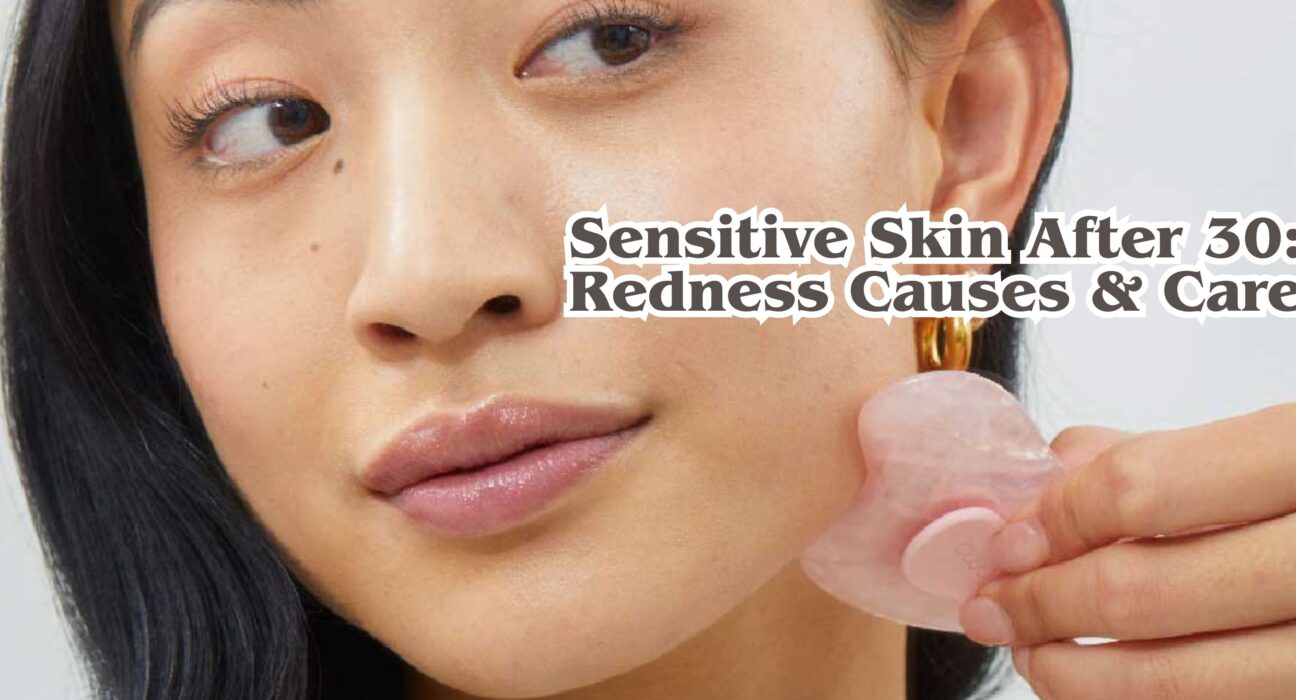
Many people begin to notice clear changes in their skin once they enter their 30s. Skincare products that once felt gentle may suddenly cause stinging or irritation, while redness appears more frequently and lasts longer than before. The skin may feel tight, dry, or unusually reactive to weather changes, stress, or even simple skincare steps. These shifts are common 30s beauty skin problems and are closely linked to natural aging, hormonal fluctuations, and years of environmental exposure such as sun damage and pollution. As collagen production slows and natural oils decrease, the skin becomes less resilient and more prone to sensitivity.

Understanding 30s beauty skincare sensitive skin redness is essential for managing facial redness and preventing further irritation. When the skin barrier weakens, it allows irritants to penetrate more easily, triggering inflammation and discomfort. Recognizing these changes helps you choose gentler products, simplify your routine, and focus on barrier repair. With the right skincare habits, it’s possible to calm redness, reduce sensitivity, and maintain healthier, more balanced skin through your 30s and beyond.

Women Skincare

Why Skin Becomes Sensitive in Your 30s?

Skin sensitivity doesn’t appear overnight. It develops gradually due to biological and environmental changes that become more noticeable after 30.

1. Weakening of the Skin Barrier

The skin barrier protects against irritants and locks in moisture. In your 30s:

  • The barrier becomes thinner
  • Lipid (natural fat) levels decline
  • Moisture retention decreases

When the barrier weakens, irritants penetrate more easily, leading to redness in sensitive skin after 30.

2. Reduced Oil Production

Sebum production naturally slows with age. While less oil may sound beneficial, it often results in:

  • Dryness
  • Tightness
  • Increased reactivity

Dry skin is more prone to inflammation and sensitivity, making redness more likely.

3. Cumulative Environmental Damage

Years of sun exposure, pollution, and lifestyle stress gradually damage skin cells and blood vessels. By the time you reach your 30s, this accumulated damage often shows up as:

  • Persistent redness
  • Uneven tone
  • Increased sensitivity

Biological Changes: Your Skin Isn’t the Same After 30

As we age, our skin’s structure and functions gradually shift and many of these changes make the skin more prone to irritation and redness.

1. Collagen and Barrier Shift

After your 20s, collagen production slows and the skin barrier becomes less resilient. Collagen is a key protein that keeps your skin firm and supple. When it starts to decline, the barrier  your skin’s frontline defense weakens too. This makes it easier for irritants to penetrate and trigger redness in sensitive skin after 30.

2. Slower Cell Turnover

Skin cell renewal slows down, which can lead to dull texture, dryness, and increased sensitivity because dead skin accumulates more easily. This may show up as patches that look red or blotchy.

3. Reduced Sebum and Hydration

In your 30s, natural oil (sebum) production begins to decline. Less sebum means your skin loses moisture more quickly, weakening the barrier, a prime reason sensitive skin redness causes escalate during this decade.

Which ingredients become essential in your 30s?

If your 20s routine was basic cleansing and moisturizing, your 30s are the time to get intentional with ingredients that protect, repair, and prevent.

Key ingredients to prioritize:

    • Antioxidants (Vitamin C, green tea): Protect against environmental damage
    • Retinoids (gentle): Support collagen and smooth early fine lines
    • Niacinamide: Strengthens the skin barrier and improves texture
    • Hyaluronic acid: Maintains hydration and plumpness
    • Ceramides: Help prevent moisture loss

You don’t need all of these at once—but slowly layering them into your routine is how you upgrade skincare after 30 without overwhelming your skin.

ingredients

Read Also: Skincare for Sensitive Skin: What to Use and What to Avoid

Why Redness Becomes More Noticeable in Your 30s?

For many, redness wasn’t a big concern in their 20s, but in your 30s, it can become a recurring issue. Here’s why:

1. External Stressors Hit Harder

UV exposure, pollution, and even blue light exposure contribute to inflammation and visible redness over time. Skin that once tolerated these stressors may now flare up because the barrier is compromised.

2. Ingredients That Used to Work Now Irritate

People often share that products they used happily in their 20s suddenly cause stinging, redness, or burning in their 30s. This aligns with real user experiences where previously comfortable formulas become too aggressive for changing skin.

3. Hormonal Shifts Play a Role

Hormonal fluctuations in your 30s, j whether due to stress, birth control changes, or life events — can provoke inflammation and increased sensitivity, making redness more prominent.

Sensitive Skin Redness Causes After 30

Facial redness is one of the most visible signs of sensitive skin in adulthood. The most common sensitive skin redness causes include:

1. Inflammation

Sensitive skin reacts more strongly to triggers, causing blood vessels to expand and redness to appear quickly.

2. Harsh Skincare Products

Ingredients like strong acids, alcohol, fragrance, and over-exfoliation can damage the barrier and worsen redness.

3. Temperature and Climate Changes

Hot showers, cold winds, humidity, and heat can all trigger redness in redness-prone skin.

4. Hormonal Fluctuations

Hormonal changes in the 30s can increase inflammation and disrupt the skin’s natural balance, contributing to redness.

Redness in Sensitive Skin After 30: Is It Normal?

Mild redness after heat exposure, sun, or exercise can be normal — especially for sensitive skin. However, if redness:

  • Appears frequently,
  • Lasts longer than a few hours,
  • Is accompanied by burning or itching,

then it isn’t just “normal aging.” It may signal compromised barrier function or reacting irritation that needs supportive care.

How to Adjust Your Skincare for Sensitive, Redness-Prone Skin in Your 30s?

One of the biggest lessons from transitioning your skincare from your 20s to your 30s is this: your routine must evolve with your skin’s changing needs. In your 20s, skincare often focuses on prevention. In your 30s, it leans into repair and resilience.

Sleep

Prioritize Hydration and Barrier Support

Because dryness and barrier weakness contribute to redness:

  • Use moisturizers with ceramides, glycerin, and hyaluronic acid
  • Choose gentle, fragrance-free formulas
  • Stress and sleep awareness (your skin shows burnout fast now)

These ingredients help strengthen your skin’s natural defenses and make it less reactive.

Strong Sun Protection Is Non-Negotiable

UV damage accelerates aging and redness. A broad-spectrum sunscreen with SPF 30+ every day is essential — even indoors or on cloudy days.

Introduce Actives Carefully

Some powerful anti-aging ingredients like retinoids can benefit your skin in your 30s, but sensitive skin requires a gentler approach:

  • Start with lower concentrations

  • Introduce slowly

  • Pair with soothing hydrators to reduce irritation

This strategy helps you get anti-aging benefits without unnecessary flares.

Final Thoughts

Transitioning into your 30s brings subtle but meaningful changes to the way your skin reacts and behaves. Changes in collagen, oil production, and the skin barrier make sensitive skin more prone to redness and irritation. Shifting your 30s beauty skincare routine to focus on hydration, protection, and gentle repair can calm redness, strengthen the skin, and keep your complexion healthy. Skin sensitivity and facial redness in your 30s are common but manageable. Aging weakens the skin barrier, reduces natural oils, and increases inflammation, all of which contribute to redness in sensitive skin after 30.

By understanding the causes and adopting the right skincare for sensitive skin in 30s, you can calm irritation, protect your skin barrier, and maintain healthy, balanced skin for years to come.

Disclaimer

All content on this website is for general informational, educational, and entertainment purposes only. It is not a substitute for professional advice in any field, including but not limited to health, fitness, nutrition, wellness, finance, legal, technology, or lifestyle.

While we strive for accuracy, we make no guarantees about the completeness, reliability, or suitability of the information. Any action you take based on this content is at your own risk.

Always consult a qualified professional before making decisions related to health, finances, legal matters, or any other specialized area. The website and its authors are not liable for any loss, injury, or damage resulting from use of this information.

Avatar

Alex

About Author

Leave a comment

Your email address will not be published. Required fields are marked *

You may also like

Home Remedies for Glowing Skin: Pamper Your Face Naturally
Skincare

Home Remedies for Glowing Skin: Pamper Your Face Naturally

The concept of home remedies for glowing skin has gained significant popularity in recent years as people are increasingly looking
Anti-Aging Products Benefits and Side Effects
Skincare

Anti-Aging Products: Benefits and Side Effects

Anti-aging products have gained significant popularity in recent years, with many individuals seeking ways to maintain a youthful appearance and