




Swimming vs Walking for Weight Loss: Which Burns More Fat Faster?
When it comes to simple and effective exercises, many people wonder about swimming vs walking for weight loss. Both are popular, beginner-friendly activities that support fat loss and overall fitness. However, they differ greatly in calorie burn, muscle engagement, and impact on the body. Some people prefer walking because it’s easy and accessible, while others choose swimming for its full-body benefits. Understanding how each exercise affects calorie burn and fat loss can help you make the right choice for your goals. In this article, we’ll compare calories burned, fat-loss potential, benefits, and practicality to determine which workout burns more fat faster. Whether your goal is quick weight loss or long-term sustainability, this guide will help you decide.
Understanding Weight Loss & Fat Burn
Weight loss occurs when your body burns more calories than it consumes, but fat loss depends on more than just numbers. Factors such as workout intensity, duration, muscle involvement, and consistency play a major role in determining results. Activities that engage more muscles and raise the heart rate tend to burn more calories in less time. However, sustainability is equally important—an exercise you can do regularly will always outperform one you quit after a few weeks. Swimming and walking both support fat loss by increasing daily calorie expenditure and improving metabolic health. The key difference lies in how intensely they challenge the body. Understanding these basics helps explain why some people lose weight faster with swimming, while others see better results with walking.
Weight loss happens when you burn more calories than you consume. Fat loss, however, depends on:
- Exercise intensity
- Duration of workouts
- Muscle engagement
- Consistency over time
Both swimming and walking can support fat loss, but they work your body in different ways.
Calories Burned: Swimming vs Walking
When comparing swimming vs walking calories burned, swimming usually comes out ahead. Swimming engages the arms, legs, core, and back simultaneously, while water resistance forces the body to work harder with every movement.
Calories Burned Swimming vs Walking Per Hour (Approx.)
- Swimming (moderate pace): 400–600 calories/hour
- Swimming (vigorous laps): 600–800+ calories/hour
- Walking (brisk pace): 250–350 calories/hour
- Incline or fast walking: 350–450 calories/hour
Also Read: Understanding Calories and Their Importance
Swimming Benefits for Weight Loss
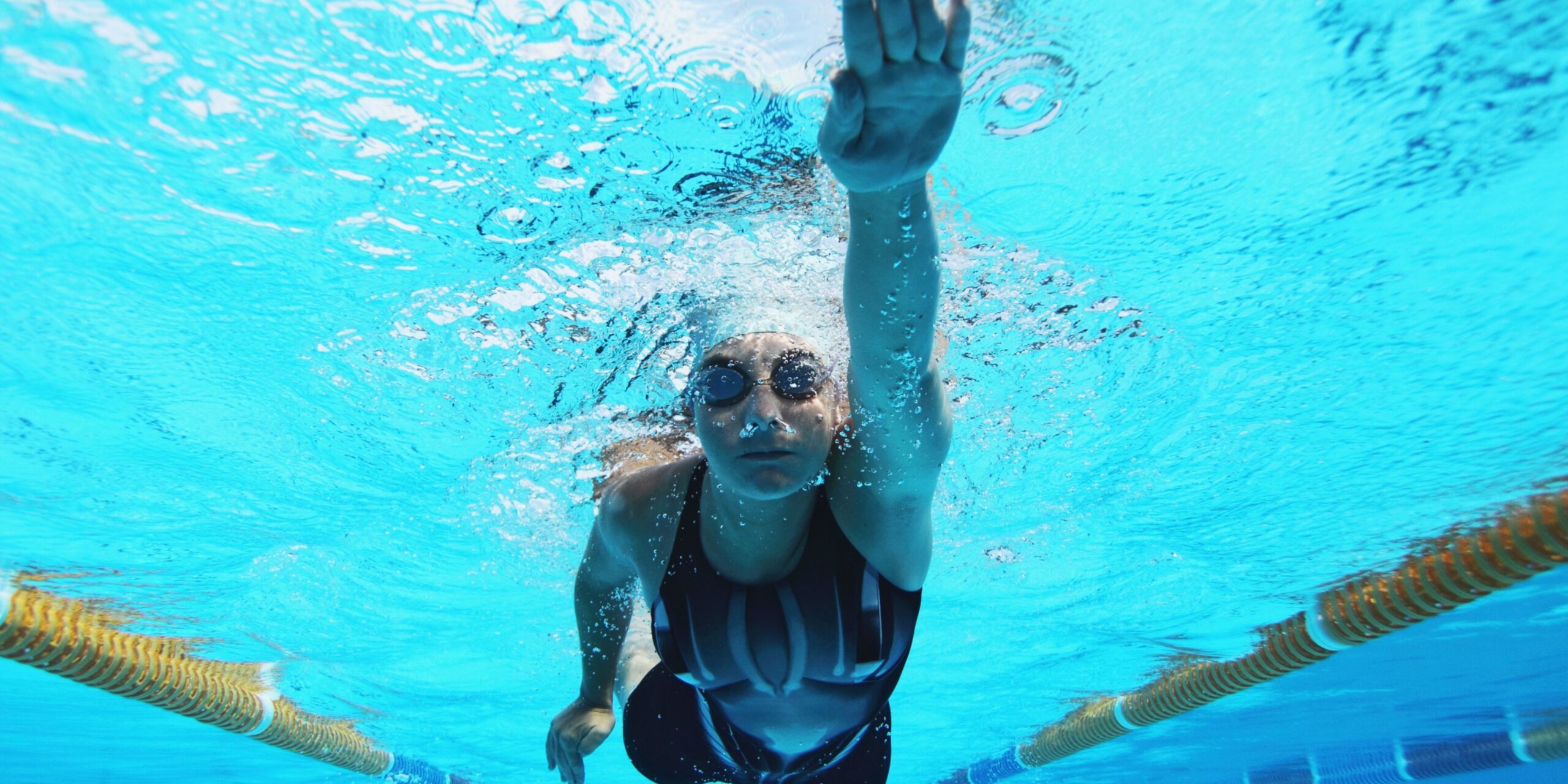
One of the biggest swimming benefits for weight loss is full-body muscle engagement. Unlike walking, which mainly targets the lower body, swimming activates nearly every major muscle group. This leads to higher calorie burn and improved muscle tone. Swimming is also extremely low-impact, making it ideal for people with joint pain, obesity, or previous injuries. The water supports body weight, reducing stress on knees and hips while still providing resistance. Additionally, swimming helps improve cardiovascular endurance and can elevate metabolism even after the workout ends. Because it feels refreshing rather than exhausting, many people can swim longer without realizing how hard they’re working, making it an excellent option for sustained fat loss.
Swimming is often considered one of the best exercises for fast fat loss.
Why Swimming Is So Effective?
- Engages the entire body (arms, legs, core)
- Burns more calories per session
- Low-impact and easy on joints
- Increases heart rate quickly
- Improves muscle tone while burning fat
Swimming also creates a mild afterburn effect (EPOC), meaning your body continues burning calories even after the workout ends.
Also Read: Health Benefits of Swimming You Didn’t Know About
Walking for Weight Loss: How Effective Is It?

Walking may not burn calories as quickly as swimming, but it is one of the most effective exercises for long-term weight loss. Walking is simple, accessible, and easy to include in daily life, which makes consistency much easier. Regular brisk walking improves cardiovascular health, boosts metabolism, and encourages steady fat burning. Walking is also less intimidating for beginners and doesn’t require special equipment or facilities. Techniques such as power walking, hill walking, or increasing daily step count can significantly enhance results. While walking burns fewer calories per hour, people are more likely to walk daily, which can lead to impressive weight loss over time when paired with healthy eating habits. Walking may burn fewer calories per hour, but it’s one of the most sustainable forms of exercise.
Benefits of Walking
- Easy to start for beginners
- Can be done daily
- Improves metabolism gradually
- Supports mental health and stress relief
- Requires no equipment or gym access
Power walking, incline walking, or walking longer distances can significantly boost fat-burning results.
Is Swimming Better Than Walking for Weight Loss?
So, is swimming better than walking for weight loss? The answer depends on your goals and lifestyle. Swimming is generally better for faster fat loss because it burns more calories in less time and engages more muscles. If you want quick results and enjoy structured workouts, swimming may be the better choice. However, walking is often easier to maintain consistently, especially for people with busy schedules or limited access to a pool. Weight loss success depends more on consistency than intensity alone. While swimming offers faster calorie burn, walking provides steady, sustainable fat loss. Choosing the exercise you can stick with long-term is ultimately more important than choosing the most intense option.
Walking vs Swimming Fat Loss Comparison
A clear walking vs swimming fat loss comparison shows that both exercises have unique advantages. Swimming burns more calories, improves muscle tone, and is ideal for people with joint issues. Walking, on the other hand, is more accessible and easier to perform daily. Swimming may lead to faster visible results, while walking supports gradual and sustainable weight loss. Both improve heart health, reduce stress, and support mental well-being. The best choice depends on factors such as fitness level, body weight, availability of facilities, and personal preference. Rather than viewing one as superior, it’s better to see them as complementary tools for achieving long-term fat loss and overall fitness.
| Factor | Swimming | Walking |
|---|---|---|
| Calories burned | High | Moderate |
| Muscle engagement | Full body | Lower body |
| Joint impact | Very low | Low |
| Time efficiency | High | Medium |
| Accessibility | Needs pool | Anywhere |
| Beginner-friendly | Yes | Yes |
This walking vs swimming fat loss comparison shows that swimming is more intense, while walking is easier to sustain long-term.
Which One Is Best for You?
The best exercise for weight loss is the one that matches your body and lifestyle. Swimming is ideal if you want faster fat loss, enjoy water-based workouts, or need a low-impact option due to joint pain or excess weight. Walking is better if you prefer simplicity, outdoor activity, and flexibility. Beginners often find walking easier to start with, while swimming suits those looking for a more intense workout. Age, fitness level, health conditions, and time availability all matter. If possible, combining swimming and walking provides the benefits of both higher calorie burn from swimming and consistency from walking leading to balanced, sustainable results.
Choose Swimming if:
- You want faster weight loss
- You have joint pain or obesity
- You enjoy structured workouts
Choose Walking if:
- You’re a beginner
- You prefer outdoor activity
- You want a simple daily routine
Final Thoughts
Both swimming and walking are great options for weight loss, and there’s no wrong choice between them. Swimming helps burn more calories in less time because it works the whole body, so it’s a good option if you want faster results and enjoy more intense workouts. Walking, on the other hand, is easier to do every day and fits naturally into most lifestyles. If you prefer something simple and sustainable, walking can be very effective over time. The best results usually come from choosing an activity you actually enjoy or even mixing both swimming and walking. In the end, successful weight loss comes from building healthy habits you can stick with, not from doing everything perfectly.
Disclaimer
All content on this website is for general informational, educational, and entertainment purposes only. It is not a substitute for professional advice in any field, including but not limited to health, fitness, nutrition, wellness, finance, legal, technology, or lifestyle.
While we strive for accuracy, we make no guarantees about the completeness, reliability, or suitability of the information. Any action you take based on this content is at your own risk.
Always consult a qualified professional before making decisions related to health, finances, legal matters, or any other specialized area. The website and its authors are not liable for any loss, injury, or damage resulting from use of this information.