



Lifestyle

Does Your Period Cause Weight Gain? Causes, Myths & Solutions
menstruation

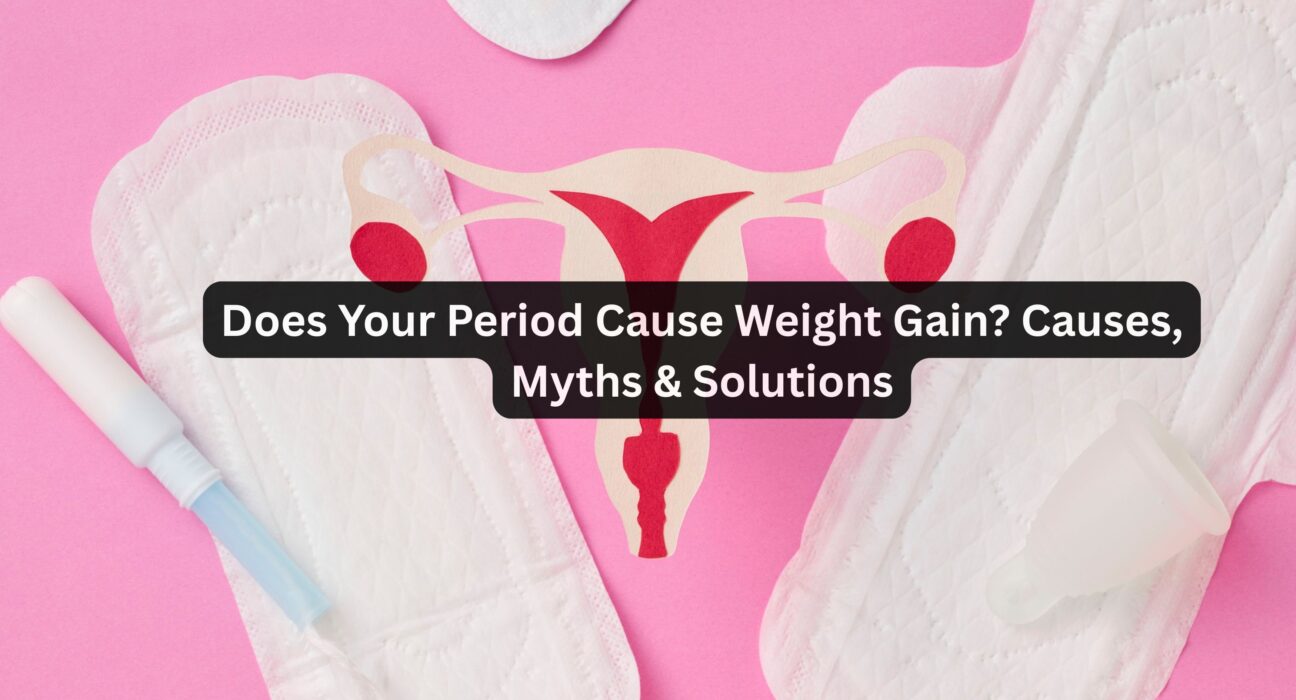
Many people notice changes in their body right before or during menstruation and immediately wonder: can you gain weight when on your period? The short answer is yes, but it’s usually temporary and not true fat gain. Hormonal fluctuations influence water retention, digestion, and appetite, which can reflect as a small increase on the scale. Understanding whether period weight gain is real, how much weight you gain on your period, and the difference between period bloating vs weight gain helps reduce unnecessary stress.

This article breaks down the science behind hormonal weight gain during menstruation, clarifies common myths, and offers practical strategies to feel more comfortable and in control throughout your cycle.

Can You Gain Weight When on Your Period?

Yes, weight changes during your cycle are common. However, in most cases, the increase is due to fluid retention rather than fat accumulation. In the luteal phase (the week or so before your period), estrogen and progesterone levels shift dramatically. These hormonal changes can cause the body to hold onto sodium and water, leading to a heavier feeling and a slightly higher number on the scale.

It’s important to recognize that this is a physiological response, not a failure in diet or exercise. Many individuals also experience slower digestion, mild constipation, and changes in hunger signals. All of these factors can contribute to feeling “puffier” or temporarily heavier.

Typical characteristics of period-related weight changes:

  • Appears 3–7 days before menstruation
  • Usually ranges between 0.5–2 kg
  • Resolves naturally after bleeding starts
  • Often accompanied by bloating or breast tenderness

This fluctuation is normal and generally self-correcting.

How Much Weight Do You Gain on Your Period?

The amount varies widely. Some people experience almost no change, while others see noticeable fluctuations. On average, temporary increases range from 0.5 to 2 kilograms. Rarely, the shift may exceed this if water retention is significant or if dietary changes amplify fluid retention.

Several variables influence the degree of change:

  • Individual hormone sensitivity
  • Salt intake
  • Hydration status
  • Digestive function
  • Stress levels

For most, the increase peaks just before or at the start of menstruation and fades within a few days. True fat gain requires a sustained calorie surplus over time, which is unlikely to occur within a few days of PMS cravings.

If weight does not normalize after your cycle or continues rising month after month, the cause may not be menstrual-related. In that case, factors such as lifestyle habits, sleep, medications, or thyroid health should be evaluated.

Is Period Weight Gain Real?

This question often causes confusion. The weight change is real in the sense that the scale reflects an increase, but it does not usually represent fat gain. The body composition has not changed significantly—only fluid balance and digestive contents have shifted.

Why it feels real:

  • Clothes may feel tighter
  • Abdomen appears swollen
  • Body feels heavier
  • Scale shows higher numbers

Why it’s usually temporary:

  • Caused by water retention
  • Influenced by hormonal shifts
  • Resolves after hormone levels stabilize

Menstrual-related weight gain is best understood as “weight fluctuation” rather than gain. The distinction matters because it reframes the experience from something alarming to something expected and manageable.

Period Bloating vs Weight Gain

People frequently confuse bloating with gaining weight. While they often occur together, they are not identical. Bloating is primarily a sensation or visible swelling in the abdominal area, while weight gain refers to measurable changes on the scale.

Bloating characteristics:

  • Localized to abdomen
  • Caused by gas, fluid, or slowed digestion
  • Feels tight or uncomfortable
  • May fluctuate throughout the day

Weight fluctuation characteristics:

  • Reflected on scale
  • Caused by fluid retention
  • Distributed across body
  • Temporary

You can feel bloated without seeing a major scale increase, and vice versa. Hormones influence both processes simultaneously, which is why they overlap so frequently around menstruation.

Hormonal Weight Gain During Menstruation

Hormones play a central role. Estrogen and progesterone affect how the body regulates fluids, hunger, and metabolism.

Estrogen effects:

  • Promotes fluid retention
  • Can increase breast swelling
  • Influences mood and appetite

Progesterone effects:

  • Slows digestion
  • Can cause constipation
  • May increase appetite

When progesterone peaks before menstruation, digestion may become sluggish, contributing to abdominal heaviness. Meanwhile, estrogen fluctuations alter sodium regulation, encouraging water retention.

These hormonal shifts are cyclical and predictable. Once menstruation begins, progesterone levels drop, fluid balance improves, and digestion typically normalizes.

Does Bloating Cause You to Gain Weight?

Technically, bloating itself does not create fat gain. However, it may contribute to temporary scale increases through fluid retention and digestive changes. The body may hold extra water, and slower digestion may mean more intestinal contents.

This is why many people see the scale rise while feeling bloated. The increase reflects transient factors rather than long-term body fat accumulation.

If bloating is severe or painful, potential triggers include:

  • High sodium intake
  • Carbonated drinks
  • Hormonal sensitivity
  • Gastrointestinal issues

Managing bloating often reduces the associated weight fluctuation.

Why Periods Trigger Cravings and Appetite Changes?

Hormones also influence hunger signals. Many individuals experience stronger cravings, particularly for carbohydrates or salty foods.

Possible reasons:

  • Progesterone increases appetite
  • Serotonin fluctuations drive carb cravings
  • Energy demands slightly increase

Cravings are biologically influenced, not purely psychological. Occasional indulgence will not cause significant fat gain, but frequent overeating combined with inactivity could contribute over time.

Helpful approaches:

Common Myths About Period Weight Gain

Myth 1: You gain fat every month
Reality: Mostly fluid retention.

Myth 2: Weight gain means poor discipline
Reality: Hormones drive fluctuations.

Myth 3: You should diet aggressively during PMS
Reality: Extreme restriction may worsen cravings.

Myth 4: Exercise is ineffective during your period
Reality: Movement often reduces bloating and improves mood.

Understanding these myths prevents unnecessary anxiety.

How to Manage Period-Related Weight Fluctuations

Lifestyle strategies:

  • Stay hydrated (reduces water retention paradoxically)
  • Limit excessive salt
  • Maintain light physical activity
  • Prioritize sleep

Nutrition strategies:

  • Eat potassium-rich foods (banana, spinach)
  • Include magnesium sources
  • Avoid extreme restriction

Comfort strategies:

  • Wear comfortable clothing
  • Track cycle patterns
  • Avoid obsessing over daily scale readings

When to Seek Medical Advice

Consult a healthcare professional if:

  • Weight gain persists beyond menstruation
  • Bloating is severe or painful
  • Periods are irregular or extremely heavy
  • Symptoms disrupt daily life

Persistent changes may indicate conditions like PCOS, thyroid imbalance, or hormonal disorders.

Conclusion

Period-related weight gain is real but usually temporary. It primarily reflects water retention, digestive shifts, and hormonal fluctuations rather than fat gain. Understanding how much weight you gain on your period, distinguishing period bloating vs weight gain, and recognizing that bloating does not equal fat accumulation can dramatically reduce stress.

By supporting your body with hydration, balanced nutrition, movement, and self-awareness, these fluctuations become easier to manage. The key takeaway: your body is responding normally to hormonal changes, not working against you.

Disclaimer

All content on this website is for general informational, educational, and entertainment purposes only. It is not a substitute for professional advice in any field, including but not limited to health, fitness, nutrition, wellness, finance, legal, technology, or lifestyle.

While we strive for accuracy, we make no guarantees about the completeness, reliability, or suitability of the information. Any action you take based on this content is at your own risk.

Always consult a qualified professional before making decisions related to health, finances, legal matters, or any other specialized area. The website and its authors are not liable for any loss, injury, or damage resulting from use of this information.


Avatar

Alex

About Author

Leave a comment

Your email address will not be published. Required fields are marked *

You may also like

High-Protein Plant Foods
Lifestyle

High-Protein Plant Foods for Fitness & Health

In today’s health-conscious world, protein is no longer just the realm of bodybuilders or meat lovers. More people are turning
carb
Lifestyle

What Are Carbohydrates? Definition, Types & Health Impact

In today’s health-focused society, healthy carbohydrates have become increasingly important to address in discussions on nutrition and wellness. With evolving