



Best Wearable Devices For Managing Chronic Pain Symptoms

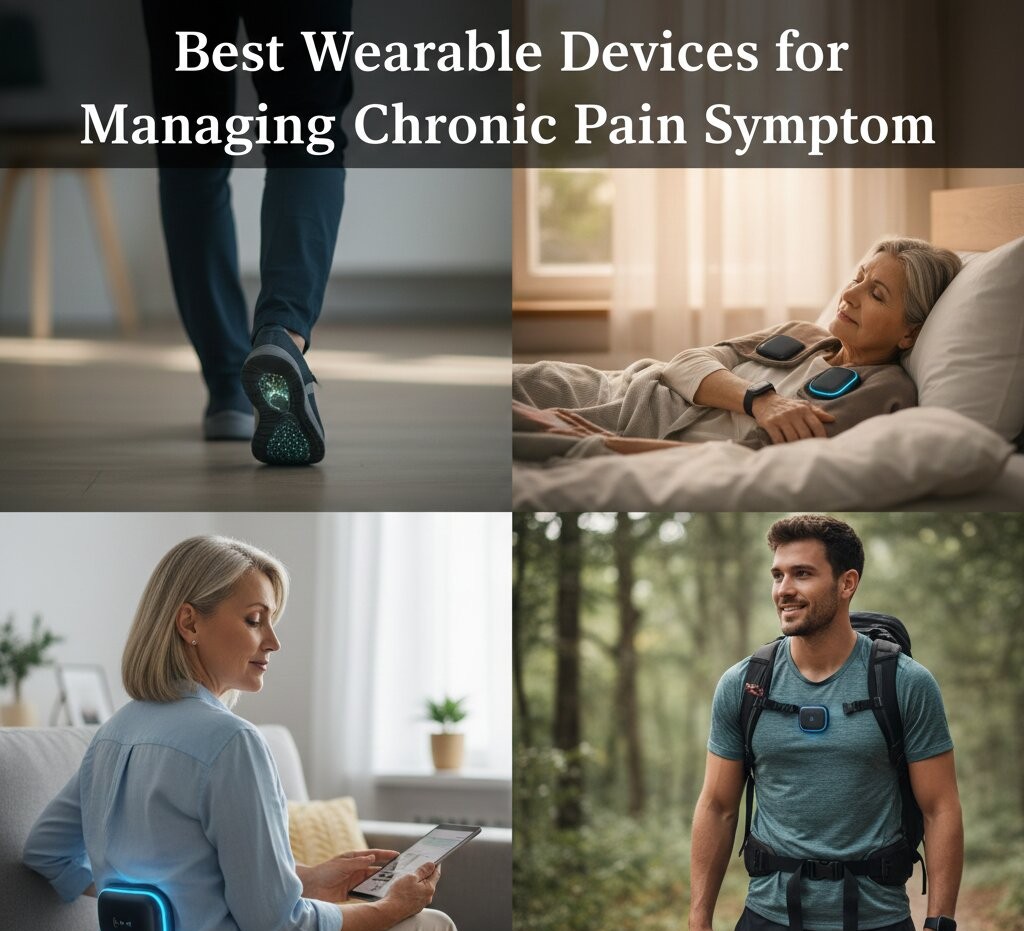
Living with chronic pain is an exhausting experience that affects millions of people every day. Whether it is back pain, arthritis, nerve damage, or fibromyalgia, the constant discomfort can make even the simplest tasks feel impossible. For a long time, the primary way to manage this was through physical therapy or medication. However, we are now entering a new era where technology is providing us with clever, non-invasive ways to fight back. Wearable devices have evolved far beyond just counting your steps; they are now powerful tools that can help block pain signals, reduce inflammation, and calm the nervous system.
The beauty of wearable technology is that it puts the power back into your hands. These devices are often drug-free, easy to use at home, and can be customized to fit your specific needs. In this article, we will look at the best wearable devices for managing chronic pain in a simple, easy-to-understand way.
Understanding Pain-Relief Wearables
The beauty of wearable technology is that it puts the power back into your hands. These devices are often drug-free, easy to use at home, and can be customized to fit your specific needs.
TENS Units: Blocking Pain with Electricity
The most popular type of wearable for pain is the TENS machine. TENS stands for Transcutaneous Electrical Nerve Stimulation. These devices use small, sticky pads placed on your skin to send very mild electrical pulses to your nerves.
These pulses do two things:
-
Signal Interruption: They “busy” your nerves so that the pain signals have a harder time reaching your brain.
-
Endorphine Release: The electricity helps your body produce endorphins, which are your natural painkillers.
High-Tech Thermal Wraps: Better Heat and Cold
New wearable thermal devices provide consistent, regulated temperature without the mess of ice packs. Some devices use “Peltier chips” to get cold or hot in seconds. These are excellent for people with arthritis who need consistent warmth to keep their joints moving. Because they are battery-powered, you can wear them while doing chores or going for a walk.
Managing the Nervous System and Lifestyle
Chronic pain isn’t just about a physical sensation in a joint; it often involves the entire nervous system.
Biofeedback Devices: Calming the Body
Sometimes, the pain is a result of the nervous system being stuck in a “fight or flight” mode. Biofeedback wearables, such as the Apollo Neuro, work by using gentle vibrations to calm your nerves down. They target your brain’s response to pain, training your body to relax. When your nervous system is calm, your perception of pain often drops significantly.
Smart Rings and Straps: Tracking Pain Triggers
Sometimes the best way to manage pain is to understand what makes it worse. Lifestyle wearables like the Oura Ring or Whoop don’t stop the pain directly, but they give you the data you need to prevent “flare-ups” by tracking:
-
Sleep Quality: Understanding how rest affects your pain threshold.
-
Activity Levels: Helping you find your “sweet spot” for movement without overexertion.
-
Heart Rate Variability: Monitoring how much stress your body is under.
Smart Socks and Insoles for Nerve Pain
For people dealing with neuropathy (nerve pain in the feet), walking can be incredibly painful. Smart socks and shoe insoles can now monitor the pressure, temperature, and blood flow in your feet. These devices can alert your phone if a certain part of your foot is getting too much pressure, preventing injuries before they occur.
Choosing the Right Device for Your Needs
With so many options, it can be hard to know where to start.
Key Factors to Consider
-
Identify your pain type: If your pain is in one specific spot, a TENS unit or a thermal wrap is best. If your pain is widespread or related to stress, look at biofeedback or sleep trackers.
-
Check the “Wearability”: Make sure the device is comfortable enough to wear for several hours.
-
Battery Life: Look for devices that can last at least 8 to 12 hours on a single charge to ensure relief throughout the day.
Consulting with Professionals
While most of these are safe and drug-free, it is always a good idea to check with a professional, especially if you have a pacemaker, are pregnant, or have specific medical implants.
Summary
The world of chronic pain management is changing for the better. We no longer have to rely solely on pills that can have side effects. Wearable devices offer a new way to interact with our bodies, allowing us to block pain, track our recovery, and soothe our nervous systems in real-time.
Disclaimer
All content on this website is for general informational, educational, and entertainment purposes only. It is not a substitute for professional advice in any field, including but not limited to health, fitness, nutrition, wellness, finance, legal, technology, or lifestyle.
While we strive for accuracy, we make no guarantees about the completeness, reliability, or suitability of the information. Any action you take based on this content is at your own risk.
Always consult a qualified professional before making decisions related to health, finances, legal matters, or any other specialized area. The website and its authors are not liable for any loss, injury, or damage resulting from use of this information.