





Belly Fat Reduction: Myths vs Facts You Need to Know
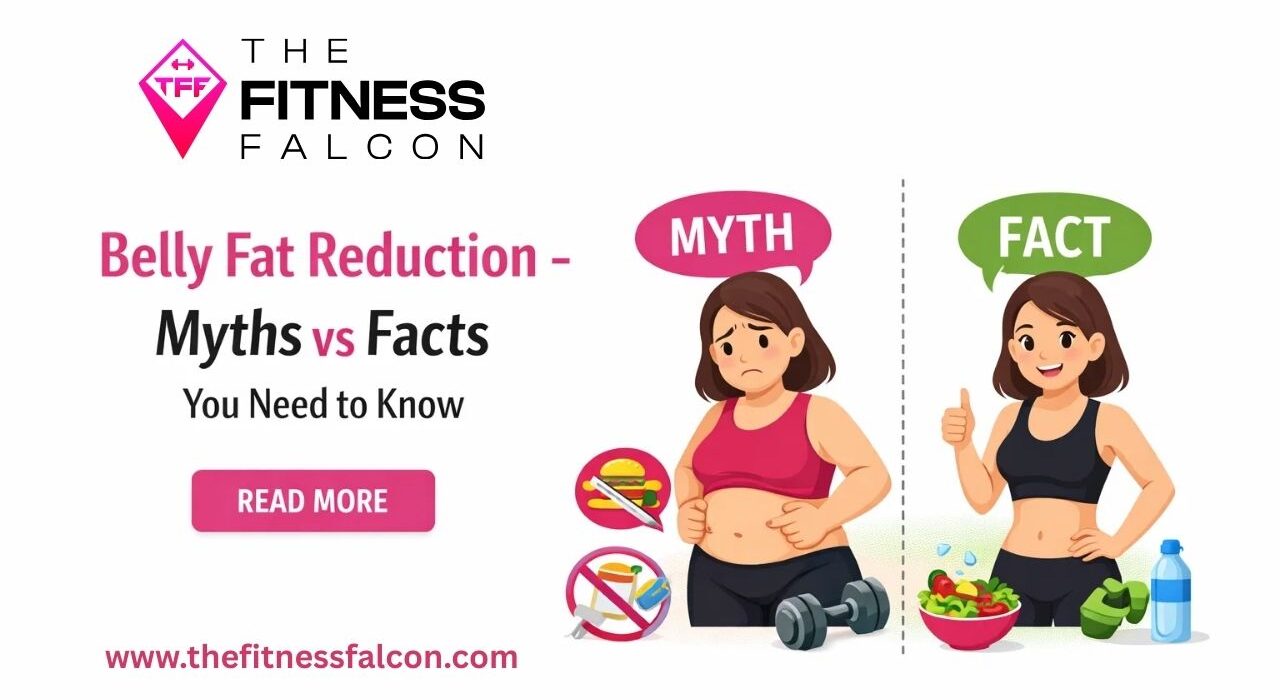
Belly fat is one of the most common fitness concerns—and also one of the most misunderstood. From endless crunches to “fat-melting” drinks, the internet is full of advice that promises quick results. Yet, despite all the effort, many people struggle to reduce belly fat and end up feeling frustrated and confused.
The truth is, belly fat reduction is not about shortcuts or spot treatments. It requires understanding how the body works, separating myths from facts, and following a realistic approach that supports overall health. In this blog, we break down the most common belly fat myths and reveal the facts that actually help you achieve long-term results.
What is Belly Fat and Why is It Stubborn?
Belly fat is stored in two main forms:
-
Subcutaneous fat – the fat just under the skin
-
Visceral fat – fat stored around internal organs
Visceral fat is more harmful and is linked to health issues like heart disease, diabetes, and hormonal imbalance. This is why reducing belly fat isn’t just about appearance—it’s about overall health and longevity.
Myth 1: You Can Reduce Belly Fat With Spot Exercises
Myth:
Doing hundreds of crunches or planks will burn belly fat.
Fact:
Spot reduction is a myth. You cannot target fat loss in a specific area through exercises alone. Core workouts strengthen and tone abdominal muscles, but fat loss happens throughout the body, not in one spot.
What works instead:
-
Full-body strength training
-
Cardiovascular activity
-
A calorie-controlled, balanced diet
Core exercises are important—but they won’t magically burn belly fat on their own.
Also Read: Best Lifestyle Habits for Longevity and Healthy Aging
Myth 2: Cardio is the Only Way to Lose Belly Fat
Myth:
Running, cycling, or long cardio sessions are the fastest way to lose belly fat.
Fact:
While cardio helps burn calories, strength training plays an equally important role. Muscle increases metabolism, helping you burn more calories even at rest.
Best approach:
-
Combine strength training with moderate cardio
-
Avoid excessive cardio that leads to muscle loss
-
Focus on consistency rather than duration
A balanced workout routine is more effective than cardio alone.
Myth 3: Skipping Meals Helps Reduce Belly Fat
Myth:
Eating less or skipping meals will flatten your stomach faster.
Fact:
Skipping meals slows metabolism, increases cravings, and often leads to overeating later. It also affects hormones that control fat storage, especially around the belly.
What actually helps:
-
Eating regular, balanced meals
-
Including enough protein in each meal
-
Avoiding extreme calorie restriction
Sustainable fat loss comes from nourishment, not starvation.
Myth 4: Belly Fat Is Only Caused by Eating Too Much
Myth:
If you have belly fat, you must be overeating.
Fact:
Belly fat is influenced by many factors, including:
-
Stress and high cortisol levels
-
Poor sleep
-
Hormonal imbalance
-
Sedentary lifestyle
Even people who eat “healthy” may struggle with belly fat if stress and sleep are ignored.
Key takeaway:
Lifestyle matters as much as diet.
Myth 5: Detox Drinks and Fat Burners Melt Belly Fat
Myth:
Special teas, detox drinks, or supplements can directly burn belly fat.
Fact:
No drink or supplement can selectively burn belly fat. Most detox products only cause temporary water loss—not fat loss.
The truth:
-
Fat loss comes from a calorie deficit
-
Supplements may support, but never replace, basics
-
Whole foods and hydration work better than “quick fixes”
If it sounds too good to be true, it usually is.
Fact 1: Belly Fat Reduces With Overall Fat Loss
Belly fat reduces naturally when your overall body fat percentage decreases. You don’t need special exercises—just a consistent calorie deficit combined with proper training.
Focus on:
-
Strength training 3–4 times per week
-
Daily movement (walking, active lifestyle)
-
Balanced nutrition
The belly is often the last place to lose fat, so patience is essential.
Fact 2: Strength Training Is Essential for Belly Fat Reduction
Strength training improves insulin sensitivity, hormone balance, and metabolic rate—all crucial for reducing belly fat.
Benefits include:
-
Preserving lean muscle
-
Improving body composition
-
Long-term fat loss maintenance
The stronger you get, the easier it becomes to manage body fat.
Fact 3: Protein Plays a Major Role
Protein helps reduce belly fat by:
-
Increasing satiety
-
Preserving muscle during fat loss
-
Supporting hormone balance
Protein-rich foods to include:
-
Lentils, beans, tofu, paneer
-
Greek yogurt
-
Nuts and seeds
-
Eggs (if non-vegetarian)
A protein-focused diet supports both fat loss and muscle tone.
Also Read: High-Protein Plant Foods for Fitness & Health
Fact 4: Stress Management Helps Reduce Belly Fat
Chronic stress raises cortisol levels, which encourages fat storage around the abdomen.
Stress-reducing habits that help:
-
Regular exercise
-
Adequate sleep
-
Breathing exercises or meditation
-
Reducing overtraining
Managing stress is not optional—it’s essential.
Fact 5: Sleep is a Hidden Fat-Loss Tool
Lack of sleep disrupts hunger hormones and increases cravings, especially for sugary and high-calorie foods.
For better belly fat reduction:
-
Aim for 7–9 hours of sleep
-
Maintain a consistent sleep schedule
-
Avoid screens before bedtime
Good sleep supports better fat loss results.
Common Mistakes That Slow Belly Fat Loss
Avoid these common mistakes:
-
Doing only ab workouts
-
Cutting calories too aggressively
-
Ignoring strength training
-
Overtraining without recovery
-
Comparing your progress with others
Fat loss is individual—your journey will look different.
Final Thoughts: The Truth About Belly Fat Reduction
Belly fat reduction is not about quick tricks or magic solutions. It’s about understanding your body, staying consistent, and focusing on overall health. When you combine strength training, balanced nutrition, stress management, and patience, results follow naturally.
At Fitness Falcon, we believe real fitness comes from knowledge, discipline, and sustainable habits—not myths and shortcuts.
Focus on facts. Stay consistent. And trust the process.
Disclaimer
All content on this website is for general informational, educational, and entertainment purposes only. It is not a substitute for professional advice in any field, including but not limited to health, fitness, nutrition, wellness, finance, legal, technology, or lifestyle.
While we strive for accuracy, we make no guarantees about the completeness, reliability, or suitability of the information. Any action you take based on this content is at your own risk.
Always consult a qualified professional before making decisions related to health, finances, legal matters, or any other specialized area. The website and its authors are not liable for any loss, injury, or damage resulting from use of this information.